
The company’s Marketing Manager, Lucy Wright and Procurement Manager, Ruth Driver were delighted to attend the inaugural Women in Signs and Graphics event sponsored by Project Display in September.
Bringing together women from within the industry, the event offered Lucy and Ruth the chance to enjoy networking with other women who work within signage and graphics, sharing experiences and highlighting unique challenges faced within the sector.
A superb event organised by Izabella Ivanovici and Sarah Fenna. And a huge thank you to sponsor Project Displays for hosting the event. Our team are looking forward to the next one already!
Rollout of the Year at Sign & Wrap Awards 2025
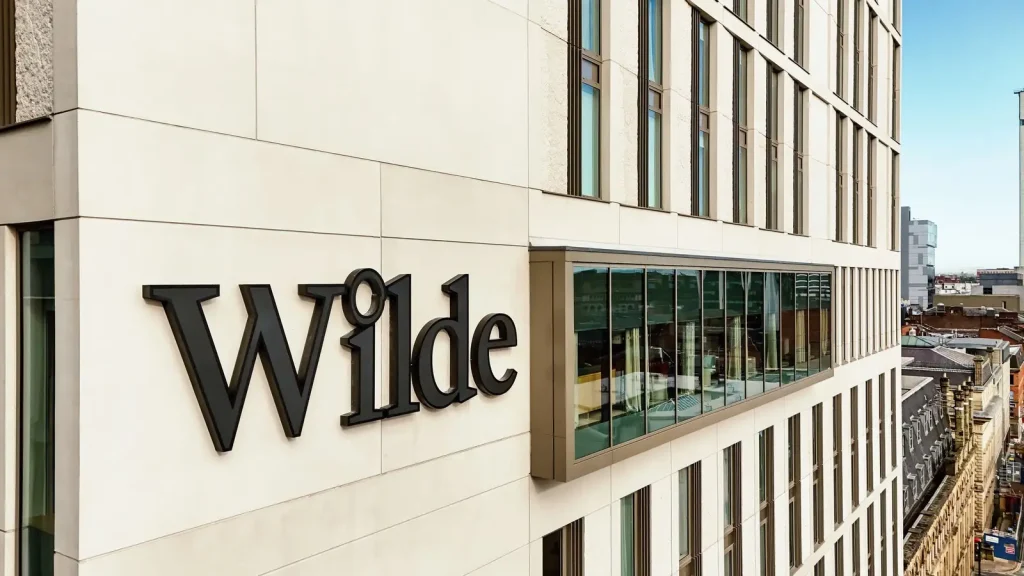
We’re thrilled to have up another GOLD in the Rollout Category at the Sign & Wrap Awards for our partnership with Staycity Group, helping complete their national rebrand programme.
Collaboration
Our teams worked incredibly hard on this programme with the client, collaborating closely on the development of the initial concept right through to the logistics on securing planning approvals and installations in busy town and city centres across the UK.
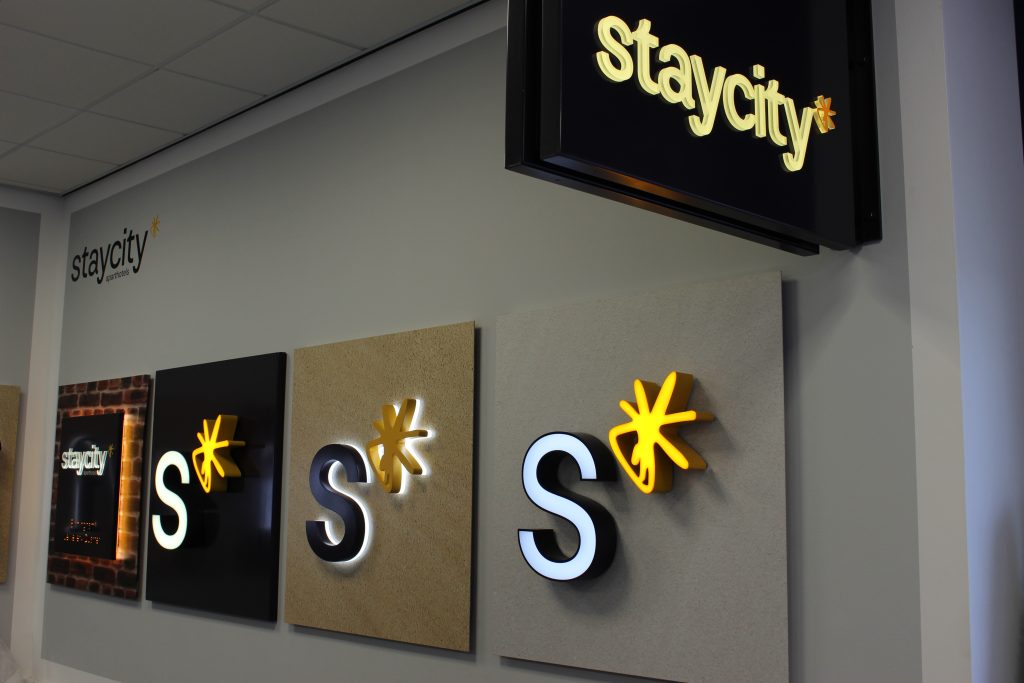
This programme demonstrates the sheer breadth of expertise at Astley and we’re so pleased that their hard work has been acknowledged by the industry.
Testimonial
“We’re thrilled with the outstanding work Astley Signs have delivered as part of our recent rebranding initiative at Staycity Group. Their expertise, attention to detail, and commitment to excellence ensured that every piece of signage perfectly reflected our updated brand identity,” Jason Delany, Staycity Group
To find out more about what went into securing this WINNING programme, view the case study here >
We’ve been shortlisted at the Insider Young Professional North East Awards!
We are so excited to announce that we’ve had some #TeamAstley members nominated for awards at the Insider North East Young Professionals 2024! We have been shortlisted in the following categories:
- Young Business Development Professional of the Year (Two members from our Account Management Team)
- Young Professional Team of the Year (Our Marketing Team)
We cannot wait to attend the event on December 5th and spend a night celebrating some of the best young talent in the North East!
Good luck to all the nominees – we’ll see you there!
Industry & Signage Trends for 2025
The signage industry is constantly developing. Each year transcends the last as technologies evolve and capabilities grow. In 2025, we are seeing advancements that are bringing in fresh opportunities and transforming the way we work.
As a signage company, staying aligned with not only industry trends but also to developments in broader sectors is essential to meeting client needs and staying competitive in an incredibly dynamic market.
With that in mind, we have explored the 2025 trends that are defining some of the major sectors we work within – including retail and PFS – while also delving into new technologies and of course, sustainability.
So, buckle up and join us as we explore the exciting opportunities that 2025 has in store…
Retail: Bigger Stores & Brand Partnerships
Flagship Stores
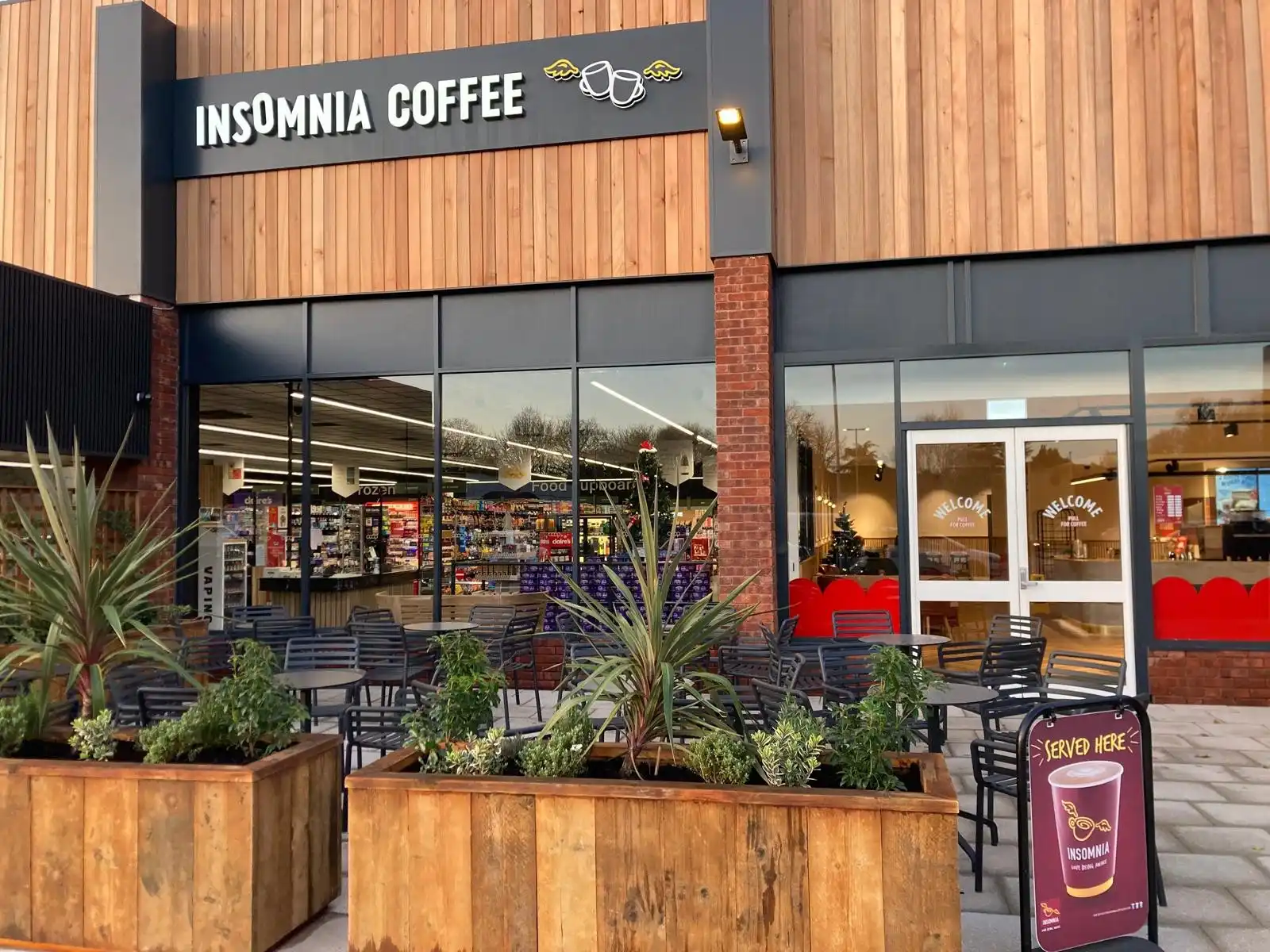
Recently, retail has seen an increasing shift towards larger flagship stores and transforming these spaces into destination stops rather than mere points of transaction.
Many leading retail giants are focusing on the rollout of fewer, larger, more tech-driven stores in prime locations. These stores are offering improved omni-channel and immersive brand experiences to create experiential shopping experiences. From interactive displays to digital installations and luxury store design, these flagship stores are becoming the pinnacle of customer experience.
Recent data has shown that UK retail parks have become the most effective when it comes to footfall, experiencing a notable 7.3% increase in visitor numbers during September 2024. – Aoife Morgan, Retail Gazette
Retailers are therefore making the decision to follow their customers and open larger flagship concept stores in these one-stop retail park locations.
Recently, there has been an increasing shift towards larger flagship stores for retail brands in prime locations.
Concessions
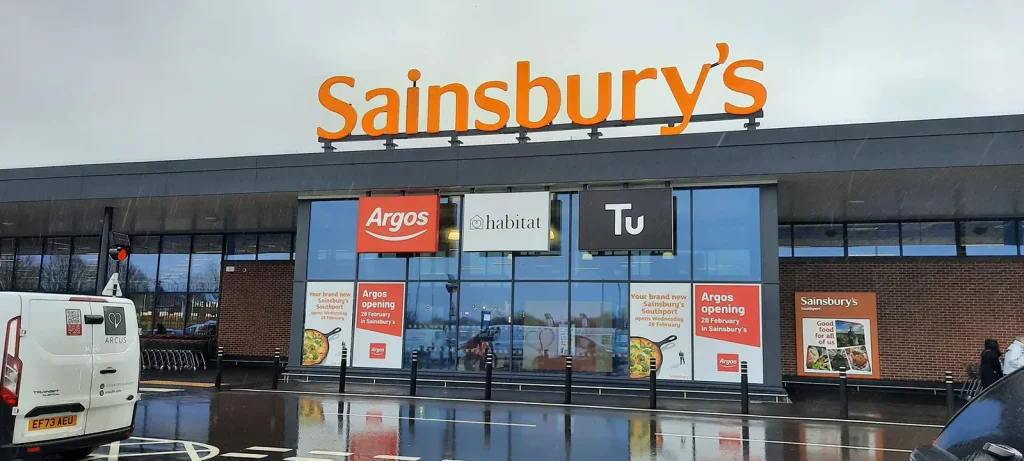
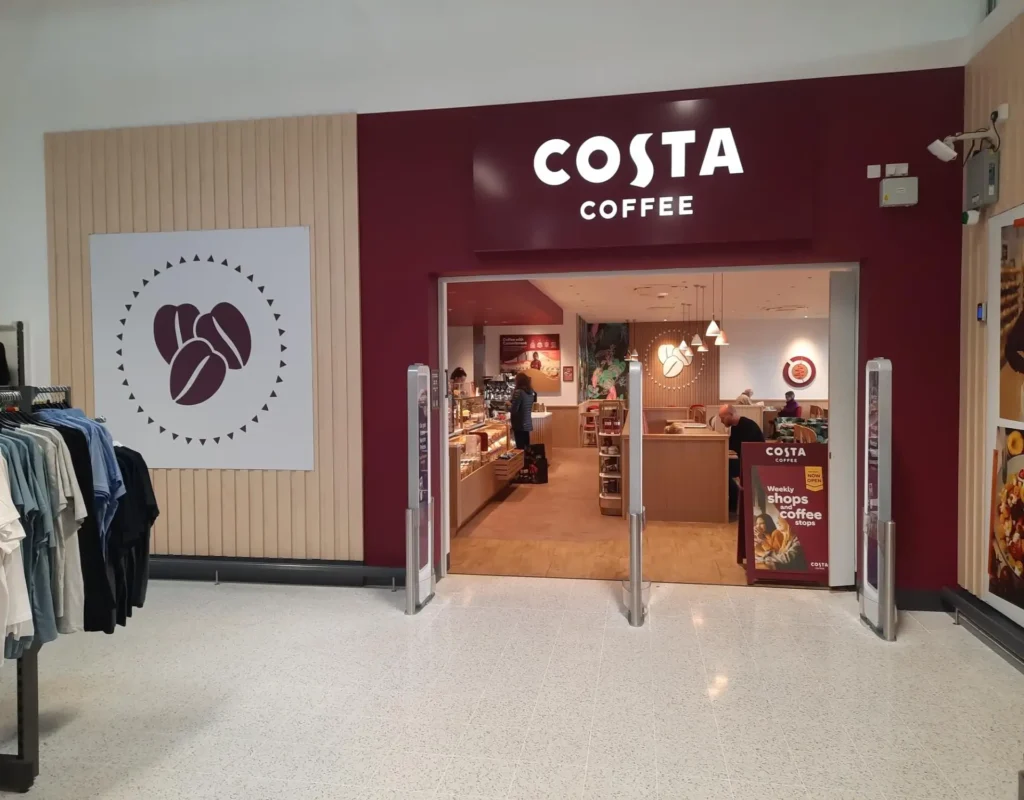
Similarly, not only are these stores expanding their size and technological capabilities, but they are also expanding in terms of their concession spaces. Retailers are introducing new and improved spaces, including high-end cafés and bigger in-store brand collaborations. These store-in-store offerings are becoming more experiential, more creative, are hugely beneficial for customer engagement and increased footfall.
No longer are concessions just small in-store pop-ups, but they are now transforming into something bigger. The opportunities for concessions are endless as the distinction between sectors begin to blur and our one-stop shops are now capable of offering anything from DIY and clothing to food and coffee.
So, what does this mean for us?
These retail developments offer new unique projects for signmakers. We’re starting to see stores in a way that we’ve never seen them before, and it brings with it new creative opportunity.
We’re talking bigger signage, immersive branded assets, digital signage, and new concession branding. As retail spaces become more experiential, the demand for bespoke and high-quality signage is growing. This allows us to showcase our creativity and capability, and positions signmakers as essential partners in these new retail ventures.
PFS: The Forecourts of the Future
Service stations continue to grow bigger and better, as FMCG and EV offerings grow even further. No longer are roadside retailers merely ‘convenient’ – they are becoming the next destination stop.
In the past few years, new energy solutions at these service stations have hugely progressed and still continue to do so. But what does 2025 hold for new energy services?
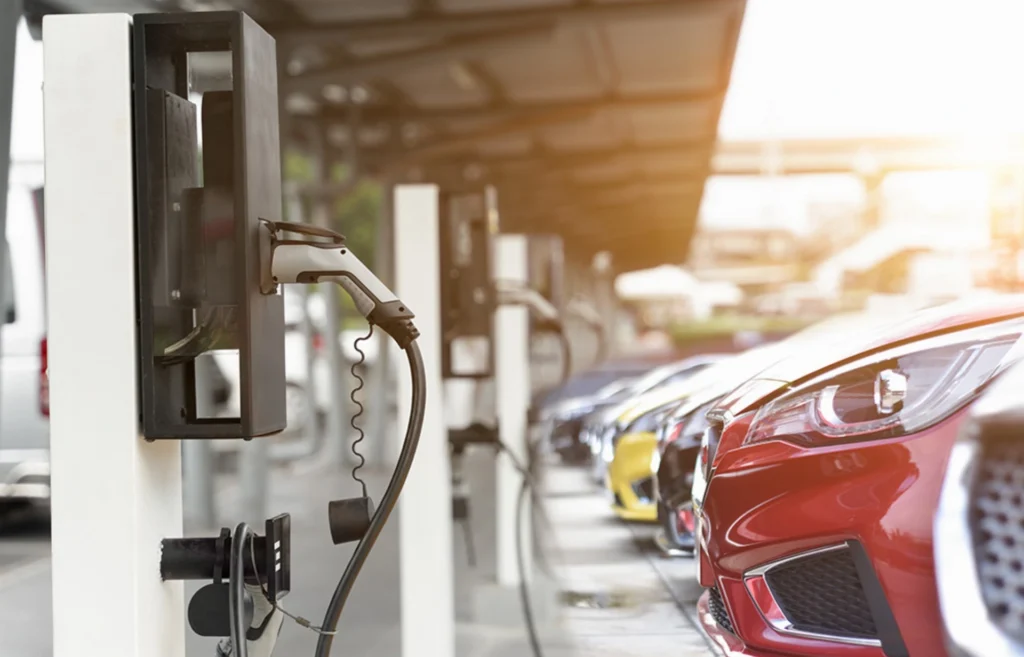
EV Signage
It’s important to ensure that forecourts are marked as clearly as possible for drivers, especially when their services are extremely necessary – for EV drivers, this is a current dilemma.
A key topic of discussion in the world of EV revolves around their signage – or lack thereof.
Surprisingly, out of 73,699 electric vehicle charging points across the UK, only 25 of these on motorways are marked with official road signs. This has led to some of the UK’s biggest EV operators to lobby for official EV signs to be placed on major roads and motorways, in order to put EV drivers at ease.
While there are still restrictions surrounding the majority of potential EV signage, there are some plans to add EV symbols to roadside facilities by April 2025. As this demand grows, our industry will be ready to play a part in shaping this vital infrastructure and helping to reduce anxiety for EV users through essential signage.
Out of 73,699 electric vehicle charging points across the UK, only 25 of these on motorways are marked with official road signs. – Nicholas Hellen, The Times
Hydrogen Fuel
One of the latest developments in our forecourts of the future is the introduction of hydrogen fuel. Hydrogen fuel is emerging as a key player in the transition to sustainable energy, complementing EV in the push toward net zero emissions. While still in its early stages, the development of hydrogen infrastructure is gradually gaining momentum.
The UK’s hydrogen strategy outlines ambitions to produce 10GW of low-carbon hydrogen by 2030, half of which is intended for transport and heating. Several hydrogen refuelling stations are already operational, and more are in the pipeline – in December 2023, there were 16 stations across the country with a further 16 projects set to open in Britain.
It’s important to keep hydrogen in the back of our minds as it continues to grow and develop, requiring new branded infrastructure that is accessible, safe, and visually recognisable.
As the hydrogen economy grows, the demand for innovative, sustainable, and technologically advanced signage solutions will only increase, cementing the signage industry’s importance in this transition.
Hydrogen fuel is emerging as a key player in the transition to sustainable energy, complementing EV in the push toward net zero emissions.
AR & VR: Streamlining the Prototyping Process
Similar to the recent surge of AI, augmented reality (AR) and virtual reality (VR) are also emerging as hugely powerful tools in the signage industry. Not only do they enhance the client experience, but they also facilitate the signage production journey as a whole.
Visualisation and design are some of the most critical parts of the signage process. With AR and VR, clients are now able to experience their signage designs in a fully immersive, 3D environment even before they are produced and installed.
VR: Using VR, you can emulate large spaces i.e. retail parks, to help design and develop wayfinding systems, for example. By placing yourself in the totally virtual environment, you can test various signage placements and designs, ensuring that the wayfinding system is effective before installation.
AR: While VR immerses users in a completely virtual environment, AR allows clients to see their virtual signs in the real world. By combining digital items and real-world backgrounds, you can visualise what your sign looks in their actual, physical locations.
Visualisation and design are some of the most critical parts of the signage process.
While VR and AR are still in their infancy within the signage industry, it is an exciting development in terms of the signage design process. The use of these tools can help clients ‘visualise’ a product, streamline the prototyping process and ease the transition from design to manufacture.
Is VR the future of signage prototyping? Well, we look forward to finding out.

With AR and VR, clients are now able to experience their signage designs in a fully immersive, 3D environment.
Sustainability
Sustainability is not just a trend, but rather the new norm that is defining the direction of the industry. And it’s not just our industry, either. From retail to hospitality, every sector is being driven with one goal in mind – sustainability.
The use of more eco-friendly substrates and recyclable material is steadily on the rise. The hospitality industry, for example, are integrating more eco-friendly materials and energy-efficient systems into their spaces. We are expected to see an increase in reclaimed wood, natural stone, green walls, recycled fixtures, enhancing both the aesthetics and the sustainability of different venues.
Technology is also improving as a tool for sustainability, with AI now helping to contribute to the progress of sustainable efforts. For example, AI-powered systems are capable of optimising energy usage and reducing waste during the production process – supporting environmental initiatives as well as cost-saving goals.
In 2025, it’ll be interesting to see how new technologies will be used to facilitate the environmental impact of business’ operations in line with their net zero objectives.
Sustainability is not just a trend, but rather the new norm that is defining the direction of the industry.
In summary…
As an industry, we are continuously presented with new developments and exciting progressions – and 2025 is no different.
As always, technology remains front and centre as the leading contributor to industry progress in not only production, but also with sustainable initiatives. AI and VR are both key players in the industry and continue to show us just what we are capable of with the right tools.
From new retail flagships to new energy-efficient fuel solutions, there are so many impressive new developments in the sectors that we work in. That’s the beauty of signage – you aren’t pigeon-holed to one industry. As signmakers, we get to experience the endless innovations that each sector has to offer, and play a part in watching these developments come to life.
The start of the year invites us into 2025 with exciting developments and novel opportunities, and we are eager to embrace the journey ahead.
Care to join us?
We received an EcoVadis medal!
Just as we were one of the first signmakers to launch our Net Zero Roadmap, we are now one of the first in our industry to achieve their EcoVadis Bronze medal!
We’re placed in the top 35% globally for all those assessed for this standard
The EcoVadis platform helps businesses to manage ESG risk and compliance, meet sustainability goals, and drive impact through sustainability performance improvement of the company and its supply chain.
This accreditation offers additional reassurance to our clients, knowing that they are working with the most sustainable partner in the sector.
We are so pleased to have received this stamp of sustainability, especially as we continue to work towards our goal of achieving Net Zero by 2040.
Well done #TeamAstley!


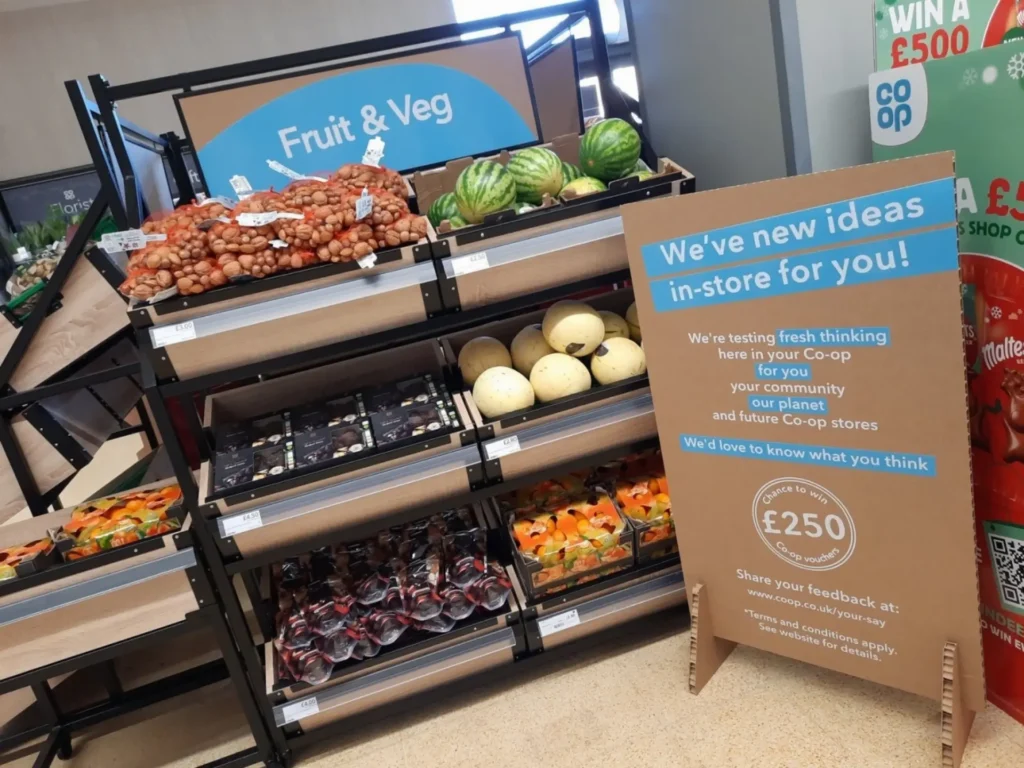
We are so pleased to have returned with Silver in Retail Services and Signage for our work on the Co-op Labstores, in which we helped to develop a new concept store using environmentally friendly alternatives for store branding!
Labstores
We were so excited to be able to support the Co-op in the design development and implementation of their labstore concept in the UK, where they integrated sustainably sourced/manufactured signage within their store scheme alongside focussing on the use of new energy and other eco-friendly solutions.
Our creative team collaborated on initial material performance sampling before manufacture and installation, helping develop the scheme as it moved through various phases.
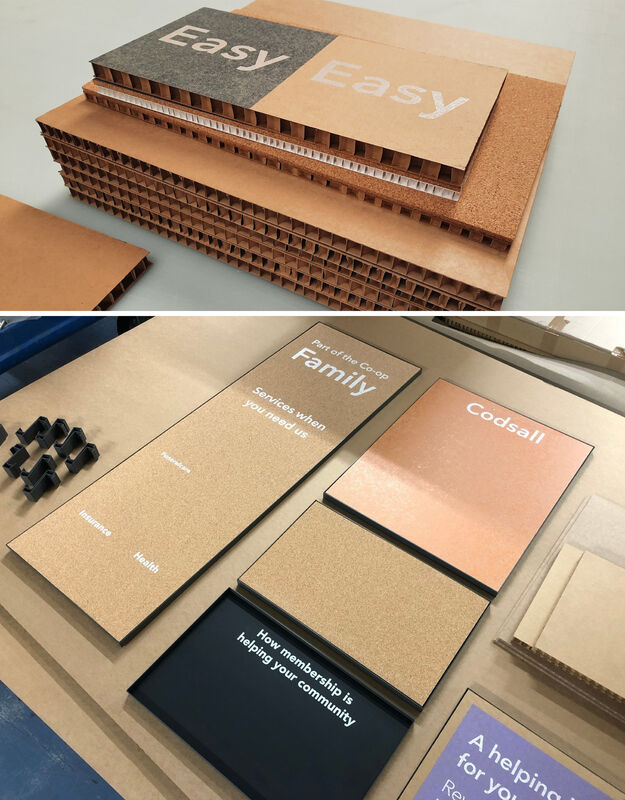
It’s always a privilege to be involved at the outset of any project, but being entrusted with such an innovative and new approach within the Co-op’s sector was an incredible achievement for us.
Would you like us to support you on your move to using more sustainably-focussed solutions?
Our internal design and manufacturing resources are ideally placed to support clients with their own move to using more sustainably sourced materials. We offer anything from concept design and prototyping to installation across the whole of the UK.
We have been thrilled to be working at a site local to our Gateshead head office, alongside Faulkner Browns and Bowmer and Kirkland.

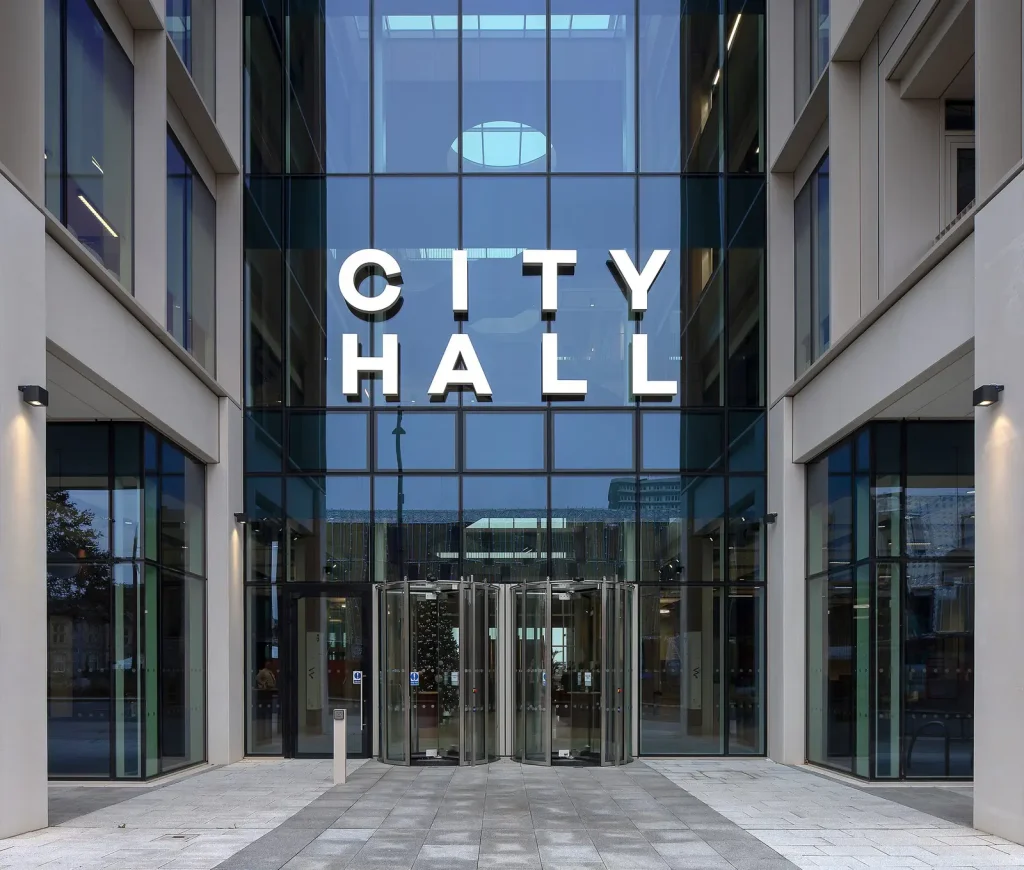

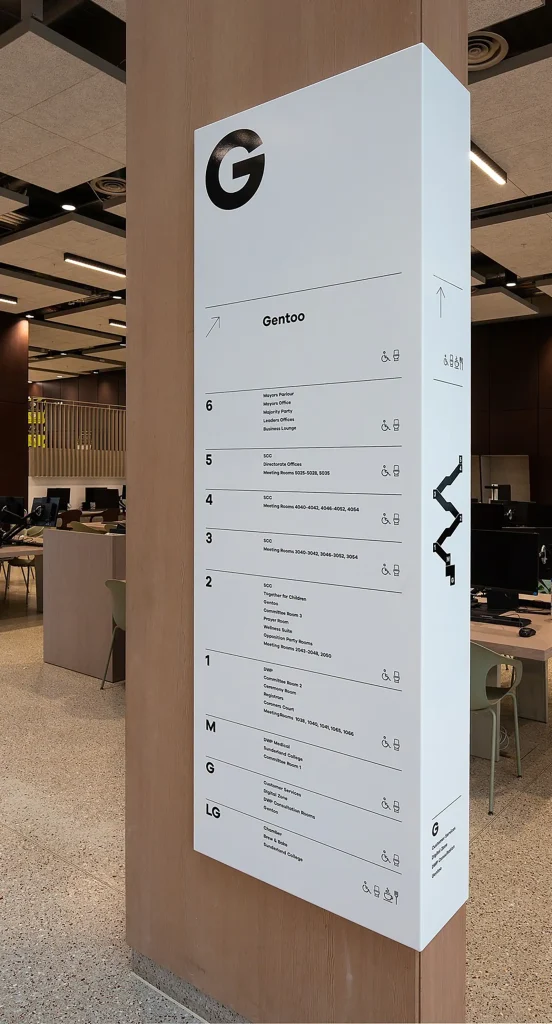
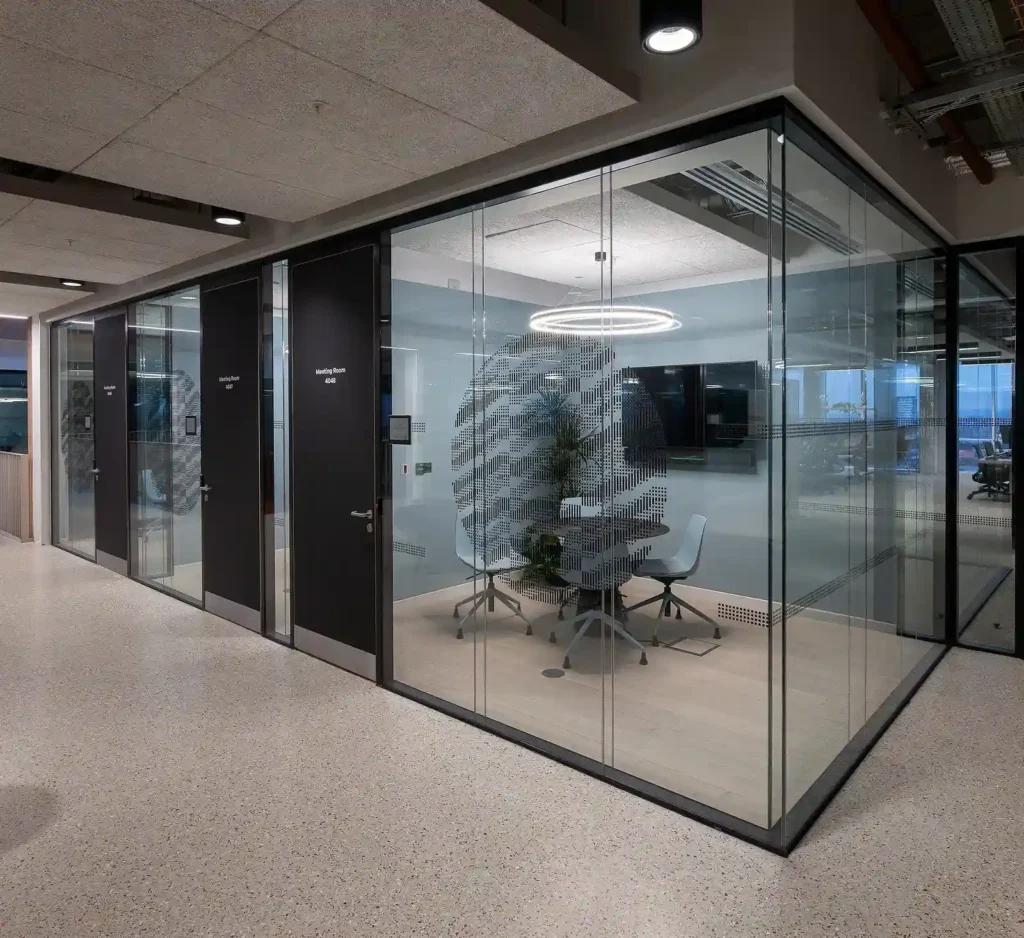
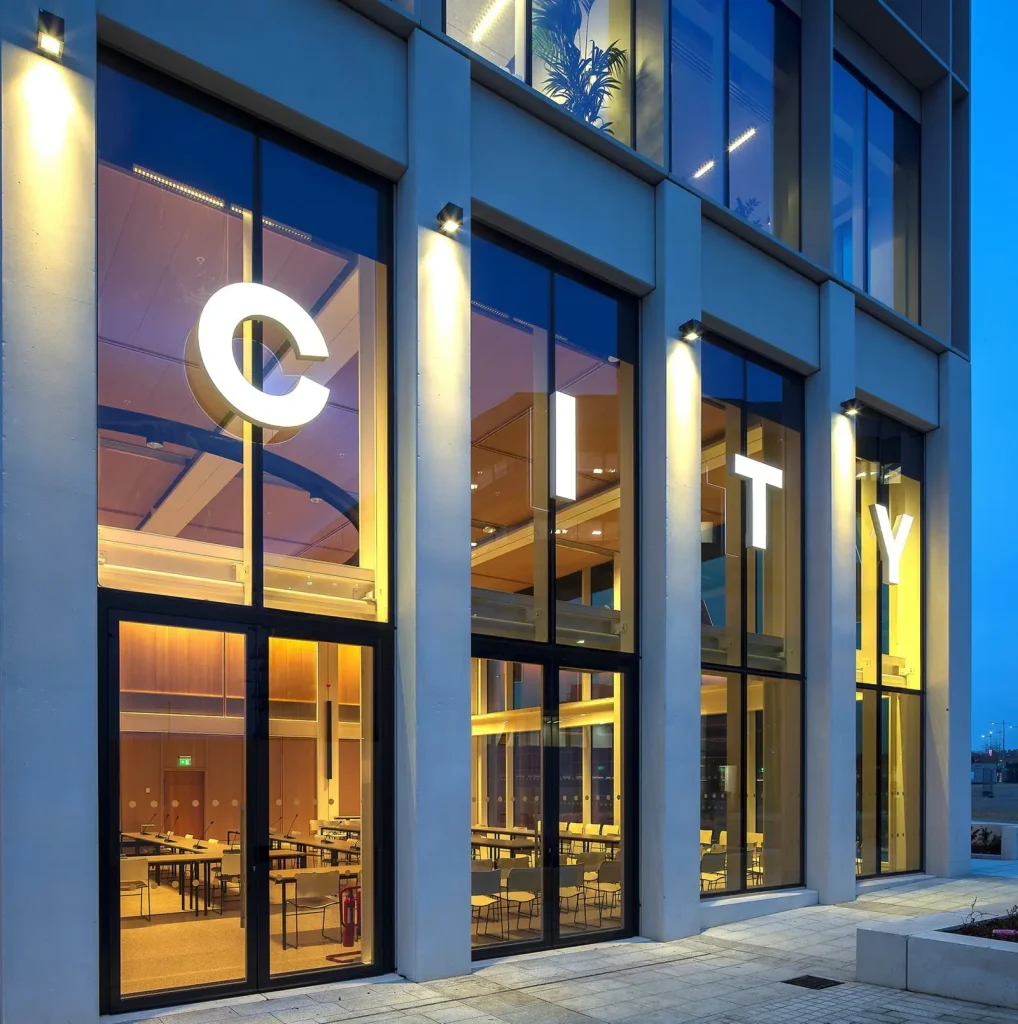
Sunderland’s new £42m City Hall development looks superb with its brand new fascia lettering and internal branded graphics.
We assisted the project architects Faulkner Browns, with the design development and implementation of these highly bespoke wayfinding solutions and interior ambient graphics that create an extremely high-end finish for the mix of office, leisure and residential residents.
As we have an in-house studio with designers highly experienced in brand implementation and wayfinding, we offered Faulkner Browns the opportunity to transfer their ideas and conceptual work into physical assets, alongside supporting them with manufacture and installation.
This is such an impressive building and a really superb example about how we can support architects and developers with the physical translation of their branding projects.
We are delighted to have helped deliver the rebrand for Nationwide Building Society, as they overhaul their identity for the first time in 36 years!


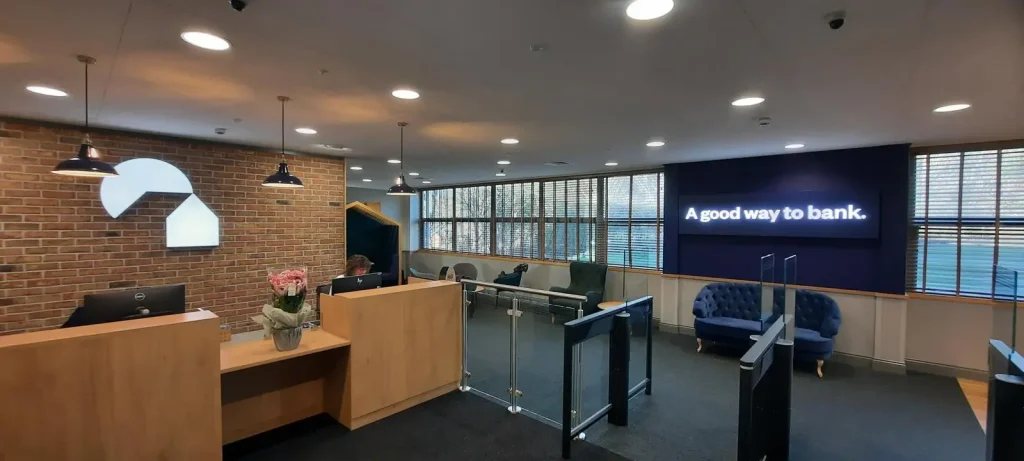


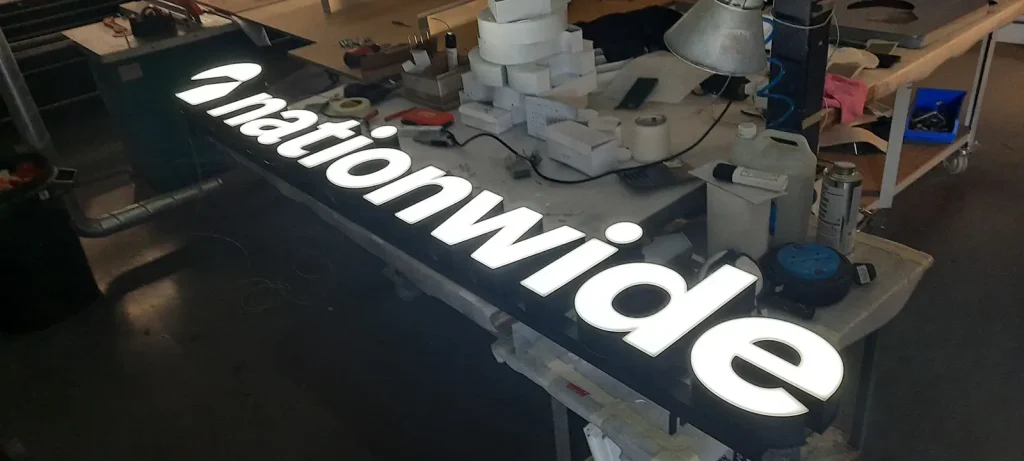
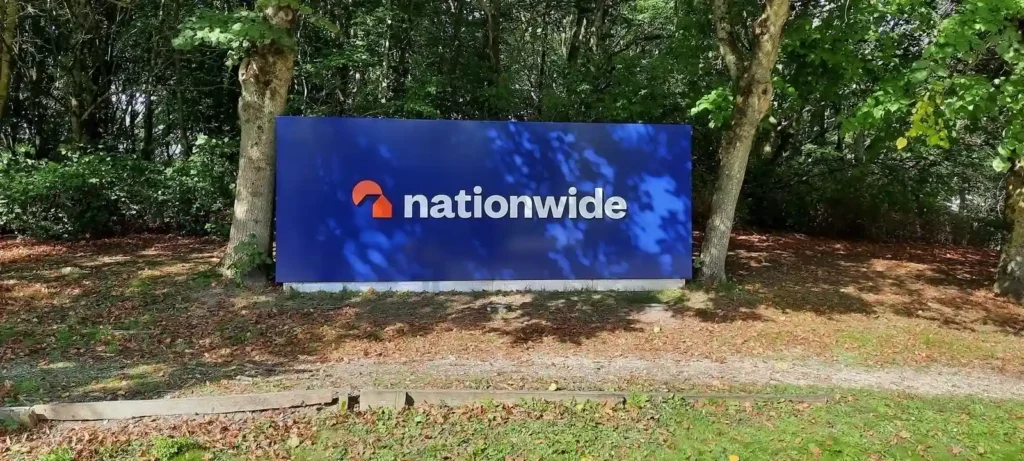

Featuring a fresh icon that paints the familiar house in front of the rising sun, the new brand boasts a design that is modern yet familiar.
This new branding has been a pleasure from manufacture to install, and we can’t wait to transform further sites!
View the Nationwide showcase page here >
The FMCG sector how signage can influence store footfall
As 2023 draws to a close, and the disruptions of Covid-19 begin to fade, the FMCG sector is starting to see a boost in on-premise retail. With the pandemic having initiated the surge of click-and-collect and online shopping, grocery retailers now need to focus on engaging customers and increasing footfall back to their brick-and-mortar stores.
The FMCG (Fast Moving Consumer Goods) sector, like many others, has experienced significant shifts in consumer behaviour over recent years. As we look towards a post-pandemic landscape, it is crucial to explore the ways in which retailers can reconnect with consumers in-store by elevating the shopping experience. Although price and product quality remain imperative, it is also incredibly relevant to create an interactive and memorable shopping experience.
Signage is instrumental in guiding customers through these environments. From digital interfaces to wayfinding schemes, it plays an important role in creating a streamlined supermarket experience that maximises efficiency and engagement.
Store design & wayfinding
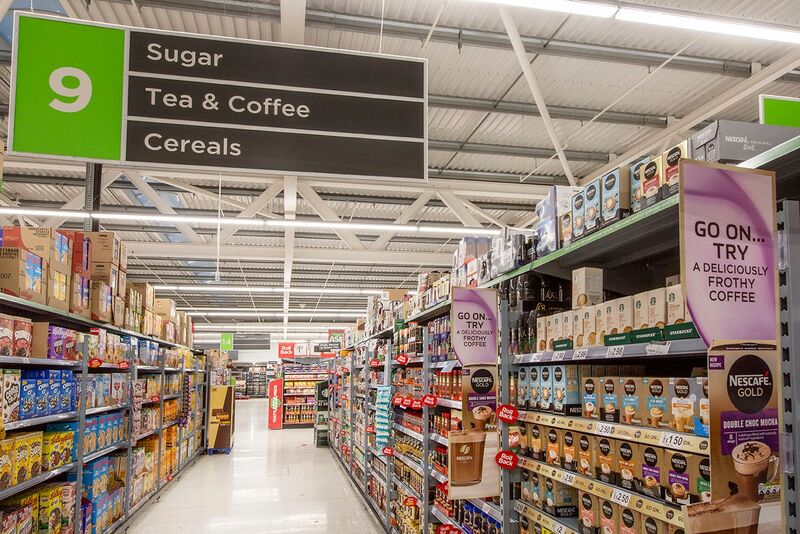
Store layout and visual displays are vital to a seamless customer experience. Wayfinding signage – or the grocery store GPS – helps customers navigate their way through stores and find exactly what they are looking for. These elements include directional, informational, and identification signs that remain consistent in design and iconography.
These signs should immerse customers into the grocery experience, using experiential graphics that combine typography, colour, imagery, and technology, to guide people through the brand’s environment from the moment they enter the door.
Ensuring that this navigation system is effortless makes for a seamless shopping experience that reduces congestion and drives customer satisfaction. Navigation should focus on getting people in and out with their desired product in hand, but also encourage shoppers to dwell and flow into different areas of the store that they would not usually frequent.
Community-centric spaces
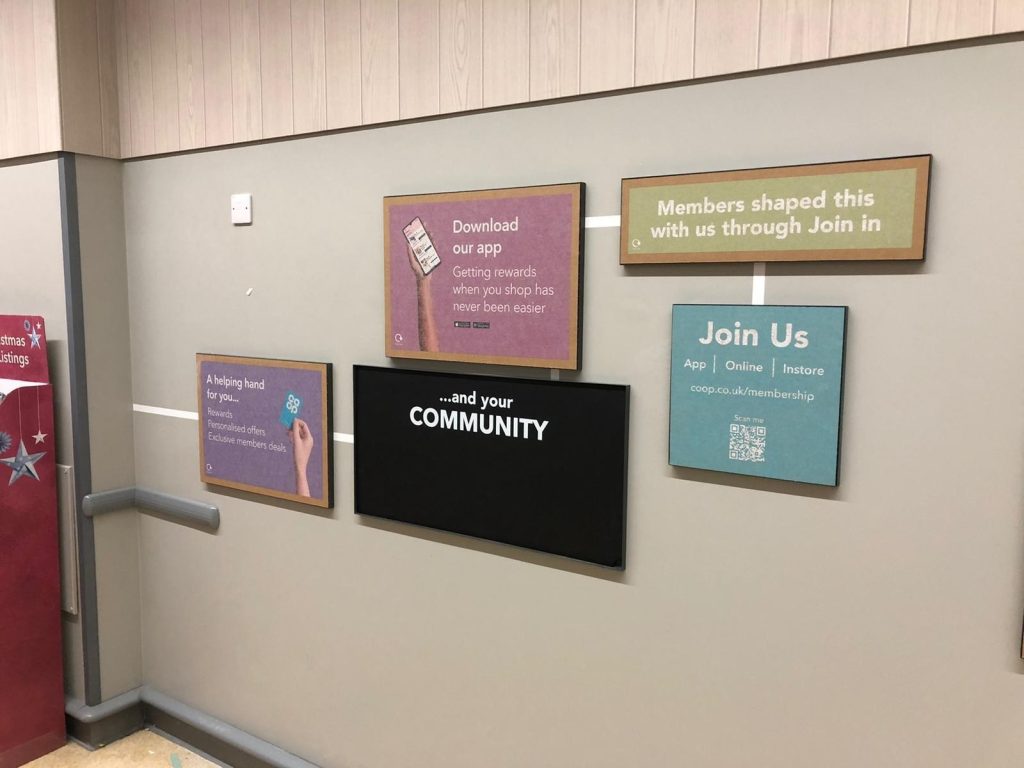
Experiential brand environments are driving forces in consumer involvement and retention, allowing brands to set themselves apart from competition in such a saturated industry. A recent grocerant business model is to transform the everyday mundanity of grocery shopping into one of experiential value, creating spaces which combine both the foodservice sector and the FMCG sector.
Creating various departments or ‘shops’ within a store is a popular way of keeping the environment fresh and engaging, such as a sushi bar, fruit and veg market, or even a small restaurant, all of which you can make into branded zones. This encourages customers to linger, dine, and seek their essential items all within the same commercial space.
A great example of this, and a project we recently worked on, is the new Food Hub concept areas introduced by Asda to increase store footfall. We had the pleasure of installing the signage for this new concession space, in which customers can now purchase pizza, coffee, and other grab-and-go products. Shoppers can place their orders on McDonald’s-style touch screen tablets, which makes for not only a quick and efficient service but also provides a new and exciting way to browse and buy in-store. This frictionless retail is the latest development in physical stores and uses technological advancements to create a grab-and-go experience without queues.
Keeping it fresh
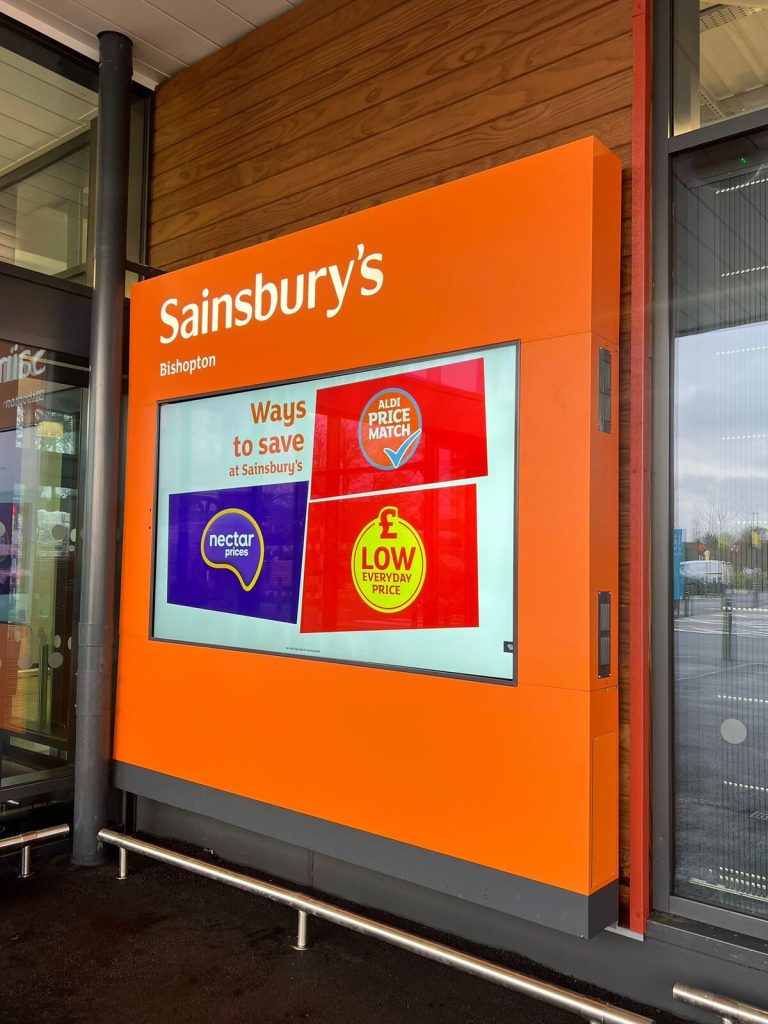
In order to maintain levels of engagement within a branded environment, it is necessary to ensure experiential graphics do not remain stagnant. Changing and updating graphics, displays, and layout, helps to prevent ‘display fatigue’, in which customers begin to ignore signage that has been in place for a long duration of time.
Digital signage is great for keeping signage fresh, modern, and up-to-date. With its dynamic qualities, digital signage can be used to follow the latest trends, allowing you to update its messaging and imagery in real time. From digital screens and checkout signage to interactive touchscreens and digital menu boards, there is an array of assets that can be implemented to communicate with customers.
Our expertise
With more business being done online, it is now more vital than ever for physical retailers to consider methods of enticing customers back into stores. Whether it is a brand new development or a refresh of a current site, Astley can assist with the planning and visualisation of store environments, having offered years of expertise in brand implementation.
We have had the pleasure of working with some huge names in the FMCG sector, including Sainsbury’s, Asda, and Central Co-op. From built-up lettering externals and car park signage to branded wayfinding and ambient graphics, we are the perfect partner to help create an immersive shopping experience from the car park to the checkout.
How EV and retail have shaped the fuel station of today
Once merely pit stops for refuelling, petrol filling stations (PFS) have undergone a significant transformation into dynamic retail hubs. The recent surge in electric vehicle (EV) adoption has provoked a shift in modern forecourts, reshaping the layout and prolonging the dwell time at stations. With this new change in forecourt landscape, there is now the opportunity to develop new retail concepts and provide experiential solutions to support the refuelling experience.
From petrol pumps to EV charging, grab-and-go eating to big retail concessions, the forecourts of today have seen a huge change. The rising demand for these additional amenities has led to the need for innovative branding solutions to help redesign and reimagine these forecourts of the future.
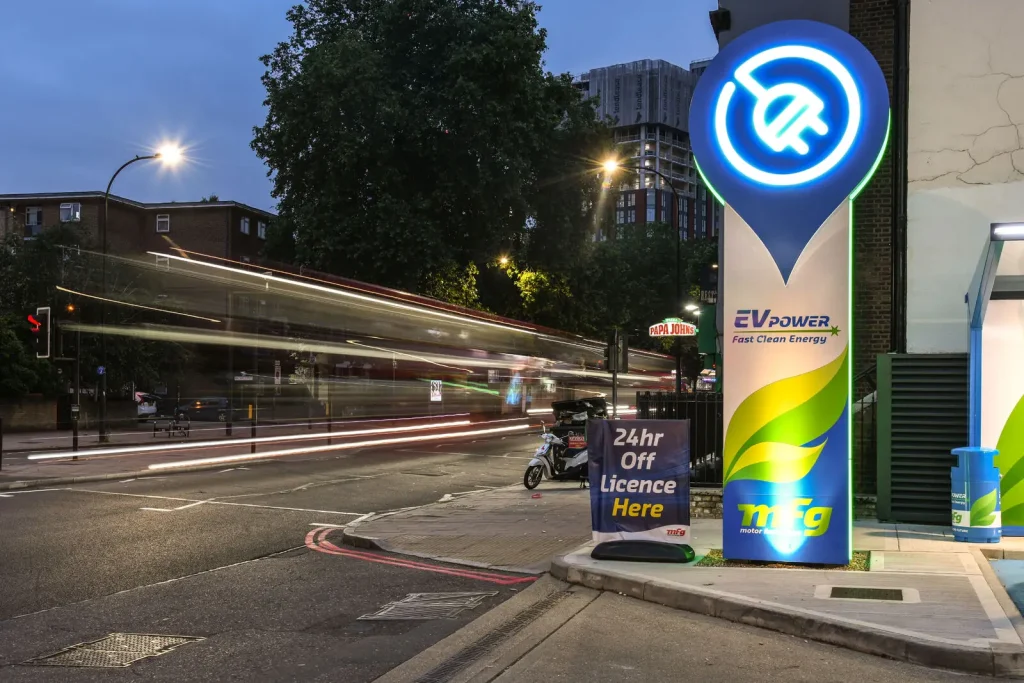
EV Charging
We have had the pleasure of supporting EV brands with the establishment of their EV charging estates, including Fastned, Jet, and MFG. As EVs continue to flood the market, and with the country expanding its charging infrastructure, forecourts are adapting their facilities to cater to the needs of EV drivers, who typically spend 30 to 40 minutes at the station during a charge.
Rather than service stations being a place to buy quick essentials, they are now becoming retail hubs in which customers can dine, shop, and relax. From grocery shopping to in-store dining, working spaces and postal services, the modern forecourt offers much more than just fuel. Consequently, PFS retail spaces are expected to expand to over 10,000 sq. ft, reinforcing the steady demand for signage solutions.
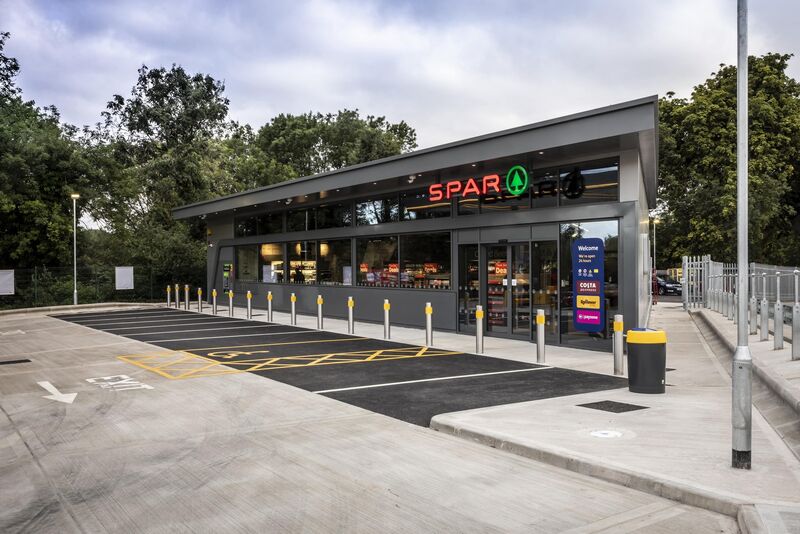
Concessions
This expansion of floor space in PFS retail spaces has paved the way for renowned food and beverage brands. Providers such as Starbucks, Burger King and Costa have taken advantage of this opportunity to convert extra dwell time into a relaxing sit-down experience.
Supermarket collaborations with fuel sites also allow customers to do their weekly grocery shop whilst charging their cars, with brands such as M&S becoming prominent at roadside destinations. From fast-food chains to major grocery retailers, the forecourt is evolving into a one-stop-shop for not only fuel, but for a wide array of consumer goods.
Our expertise
As forecourts embrace EV charging and evolve into multifaceted retail destinations, signage plays a pivotal role in shaping the overall customer experience. For over a decade, we have been aiding petroleum brands with their branded graphics, working with global brands such as JET , Texaco, and MFG, as well as prominent grocery chains like Sainsbury’s and the Co-op.
The demand for branding solutions is ever-present in today’s forecourt as the technology and facilities continue to evolve and customer preferences change. Given our unique position in which we work with PFS brands as well as FMCG clients, our expertise encompasses extensive knowledge of retail brands as well as forecourt operations.
Offering industry design solutions for full rebrands, refreshes, maintenance, painting, valet services and specialist installation, we really are the perfect partner to help support with your PFS brand graphics, from the charging point through to the grocery checkout.