
An Immersive Customer Experience
The leisure and hospitality sector is incredibly dynamic, covering all kinds of venues from hotels and restaurants to amusement parks, holiday resorts and sports centres.
Without even realising, signage plays a huge part in our experiences at these venues. Not only do signs guide and inform visitors, but they also shape the environment and create an immersive experience from the get-go.
Effective signage in these settings is crucial to the overall customer experience, from the entrance through to the exit.
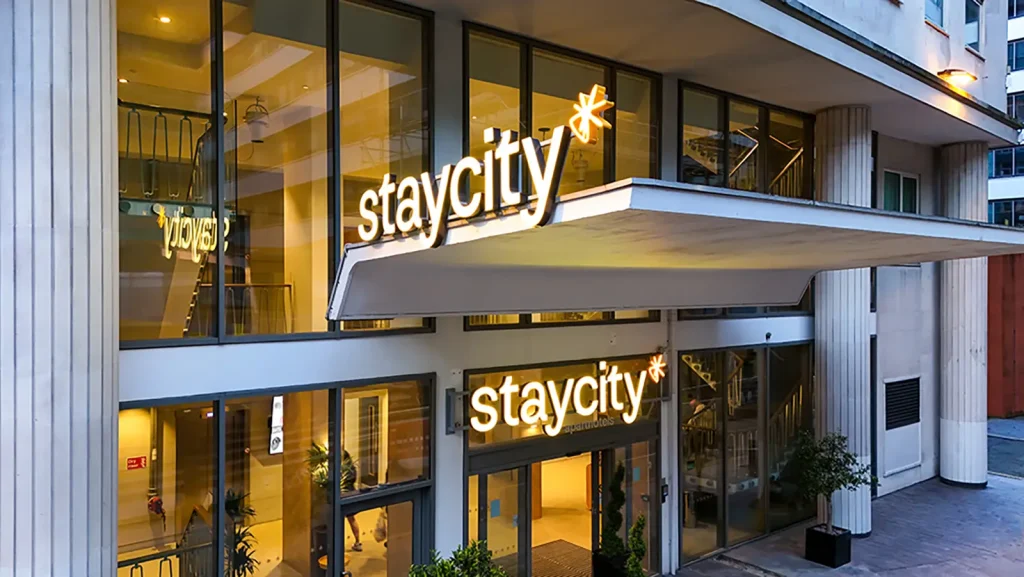
Branding & Consistency
Consistency is key across any brand’s estate. The uniform use of colours, fonts, and logos across all signage is crucial to reinforcing a brand’s identity and creating a cohesive visual experience.
For example, a successful hotel signage scheme will welcome and immerse customers into an environment that encompasses the brand’s vision. Whether that is a stylish boutique hotel or a modern hotel franchise, the signage will reflect the style and personality of the brand throughout the customer journey, from the reception area to the wayfinding scheme.
Wayfinding
Leisure and hospitality facilities can be vast and complex, making it easy for visitors to get lost and disorientated. An often overlooked element of signage, wayfinding allows customers to navigate their way seamlessly through these venues.
As well as fulfilling its functional role by providing directional instructions, well-designed wayfinding can enhance the aesthetics of the environment and foster a positive experience through a strong brand identity.
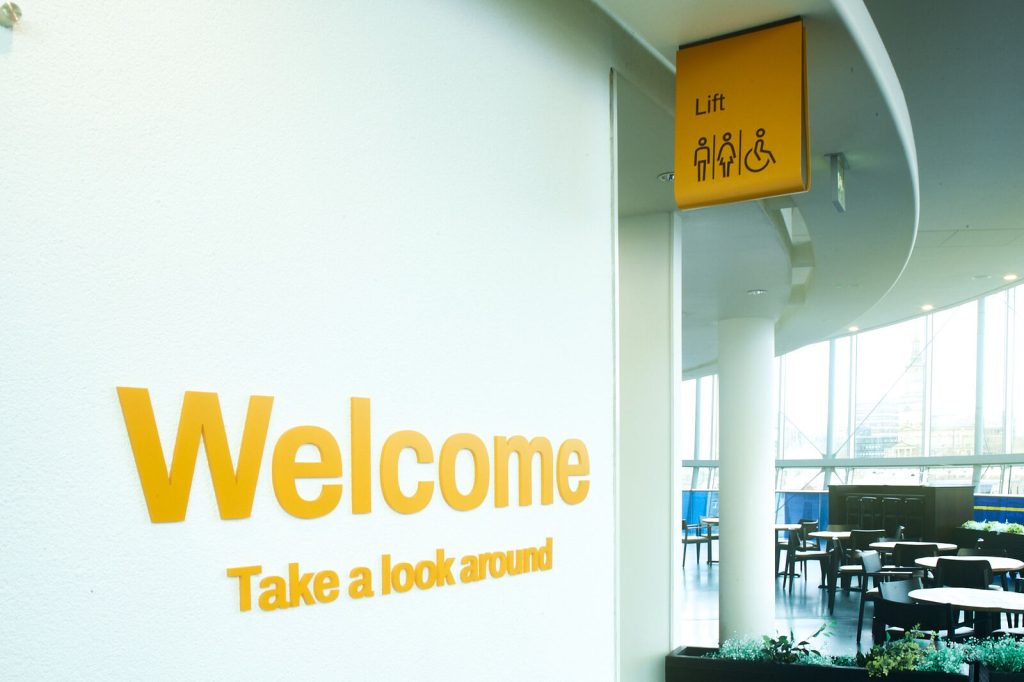
Good signage reduces confusion and frustration. Excellent signage reduces confusion while also ensuring consistency and immersing visitors in a branded experience. Our in-house design studio at Gateshead is ideally placed to design wayfinding schemes for clients and fully understand the art of navigation design, as they are highly experienced in translating these spaces from concept to completion.
Enhancing Visitor Experience
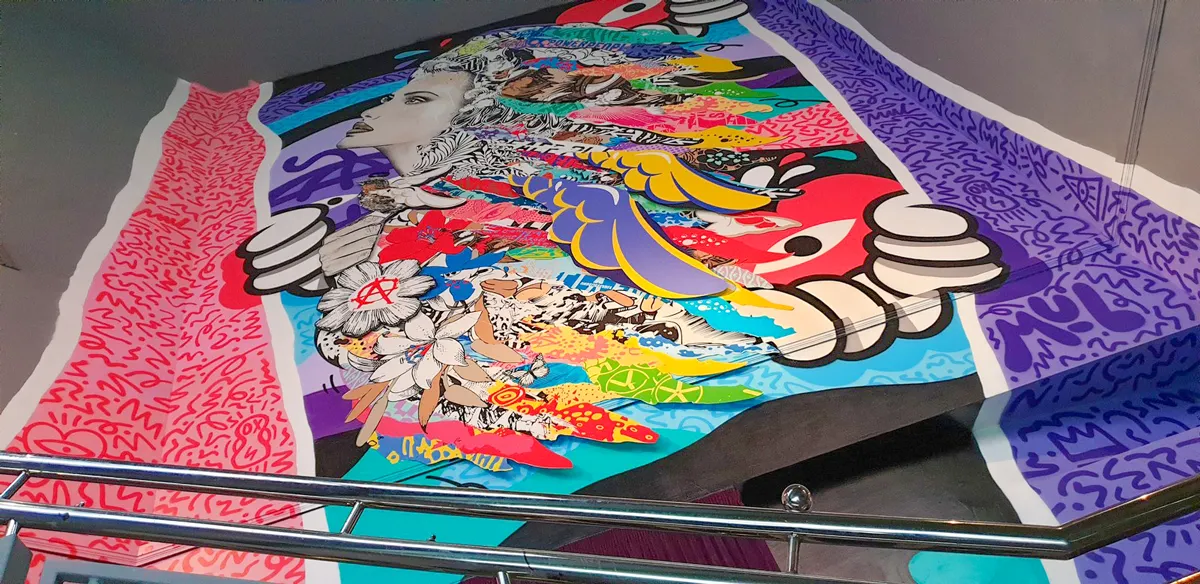
Many brands are now starting to differentiate themselves by offering something unique with the way they design their property and its signage. Instead of focusing solely on function, brands are implementing features that add a touch of personalisation and character to transform their environment into something memorable. The hotel reception, for example, gives the first impression for guests and sets the tone for the rest of their stay. Crafting the artistic vision and detail of this space is crucial in making a stay unforgettable, and ultimately, in encouraging return visits.
From vibrant murals and neon lettering to immersive wayfinding schemes or interactive screens, these assets are so effective in creating an inviting atmosphere and reflecting a brand’s messaging.
Astley’s Expertise
In February of 2024, Astley were awarded Gold for Rollout of the Year at the Sign & Wrap Awards for our work on Leonardo Hotels. This extensive program encompassed the complete rebranding of 38 hotels across the UK from the Jurys Inn brand to Leonardo Hotels.
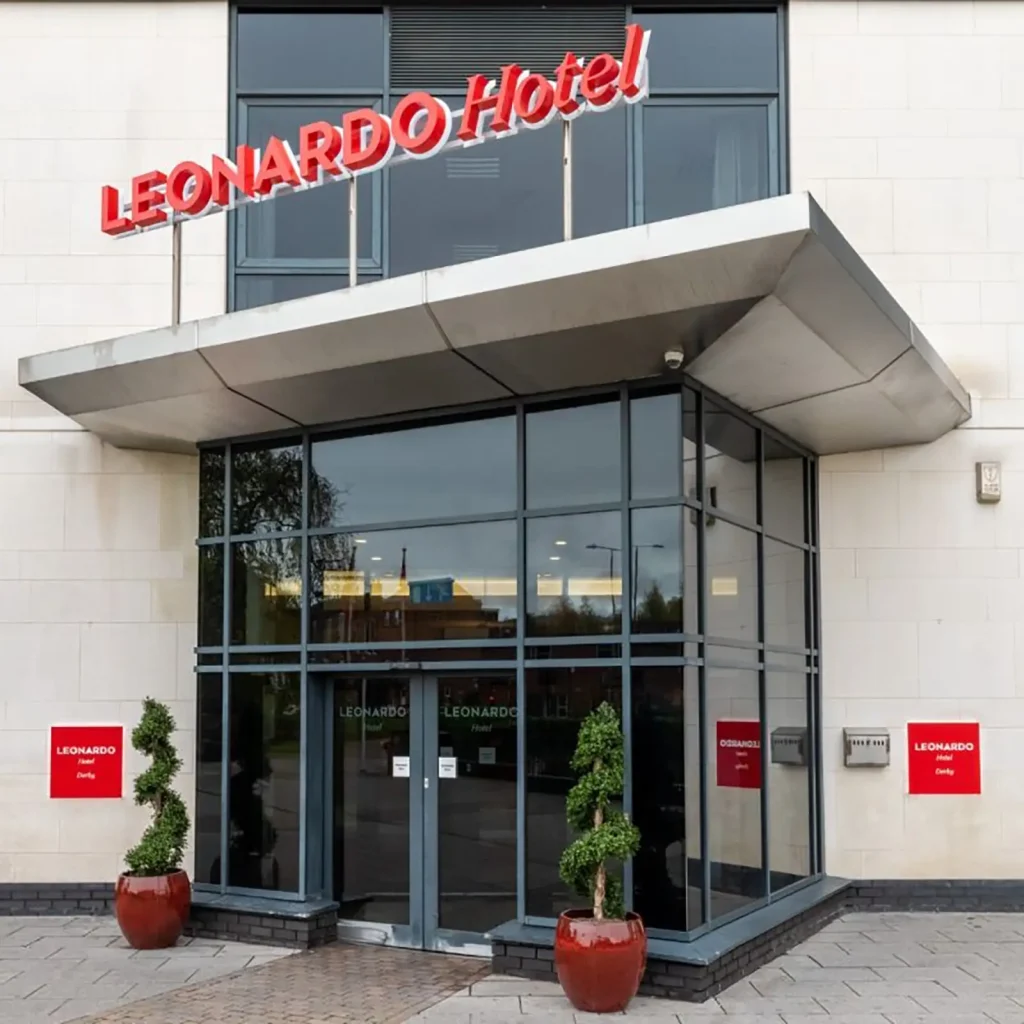
This project highlighted the importance of ensuring brand consistency across each hotel and across various substrates in order to achieve a cohesive and solid branded estate.
It was vital that the proposed designs were sympathetic to the style of the architecture and surroundings, but also that they didn’t stray too far from the old branding. It was also crucial to ensure colour matching across multiple substrates, such as acrylic, print and powdercoating. Prototyping was therefore an essential stage of this design process as it allowed us to support Leonardo’s with their rebrand, from our sample showroom to the final outcome.
At Astley, we are passionate about providing a thorough and highly detailed service. Our highly efficient production services are complimented by our in-house design and creative services, offering clients an additional resource to conceptualise, plan and design signage programmes.
Specialising in design, fabrication, print and digital, we continue to test the limits of what signage can really be, from the hospitality sector and beyond.
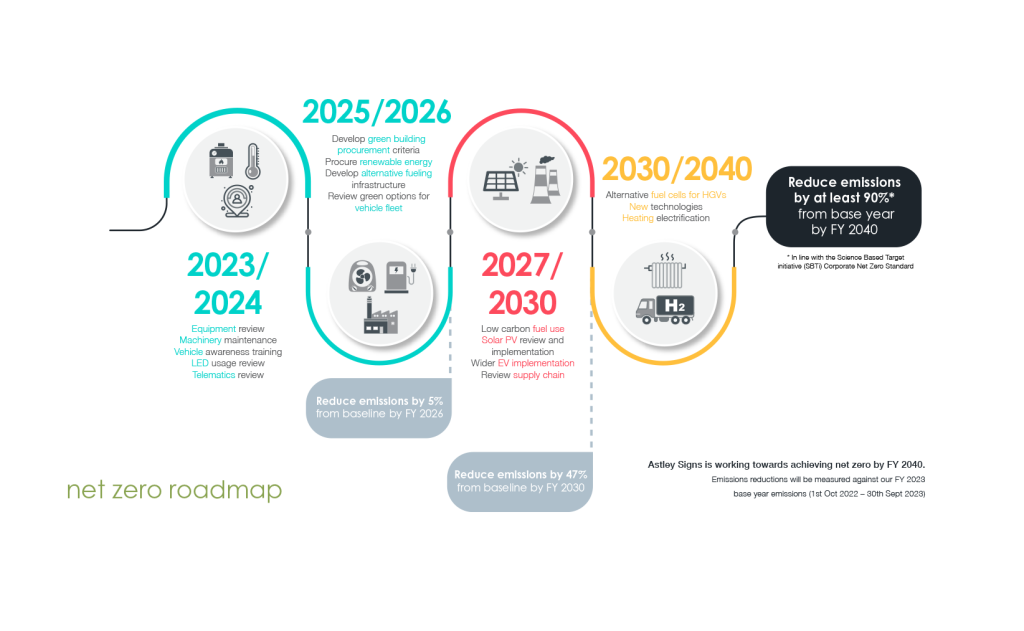
We are proud to say we are now one of the first signmakers to be publishing a net zero roadmap with a commitment to achieving net zero by 2040.
Since embarking on our net zero journey in 2022, we have been committed to taking considerable steps towards reducing our carbon footprint.
With short term, medium and a long-term objectives, astley has developed a robust plan to help address climate change and drive meaningful actions that will contribute to the end goal of becoming net zero.
Just as we became the first UK signmaker to become a zero-waste-to-landfill partner, we believe we are also leading the way in our approach to becoming net zero and ultimately, improving the world that we inhabit.

As it’s #InternationalWomensDay, we sat down with Ruth, our Procurement Manager at Astley who provided her own insight on working within the manufacturing industry.
As a manufacturer in a predominantly male industry, we are aware of the struggle in our sector to recruit and help support women’s career progression.
We pride ourselves in doing all we can to continue changing the landscape of women in manufacturing and challenging these stereotypes, and we couldn’t be more proud of our leading ladies at Astley!
The Value of Career Progression
Not every destination is determined by one linear path. Multiple decisions and pathways can lead to the same outcome, there never is a right way.
The same can be applied to career progression. There is no longer just one straight-line approach to launching a career. There is a variety of routes available, from university degrees and traineeships to entry-level jobs and apprenticeships.
At astley, we pride ourselves on providing apprenticeship schemes and developing the next generation of signage professionals, having introduced 12 apprentices to our team within the past 5 years.
Apprenticeships, often thought of as the less ‘traditional’ route, offer an alternative for young people to commence their careers. Fostering the development of hands-on skills and industry experience, apprenticeship programmes allow individuals to undergo training, all whilst earning a salary.
We decided to sit down with one of our graduated apprentices, Reece, and take a look at his journey so far – from apprentice to CNC team leader.
Reece’s own experience
“The benefit of starting as an apprentice is earning a wage whilst you’re developing your skills so by the end of your apprenticeship, you’re a fully skilled worker”
Reece started his apprenticeship at astley over 6 years ago, progressing to CNC machine operator, until recently becoming CNC Team Leader. He highlights the benefit of gaining valuable skills, and with the prevalence of the skills gap within the manufacturing industry, this is ever-relevant. Apprenticeships have the means to address these skills gaps and increase productivity, all whilst allowing individuals to develop their personal skills and knowledge in order to attain a rewarding career.
As manufacturers, we have noted a downturn in young people entering our industry. We believe that apprentices, with their hands-on nature and reskilling potential however, are one of the most effective solutions to begin bridging this skills gap and accumulating a dynamic workforce.
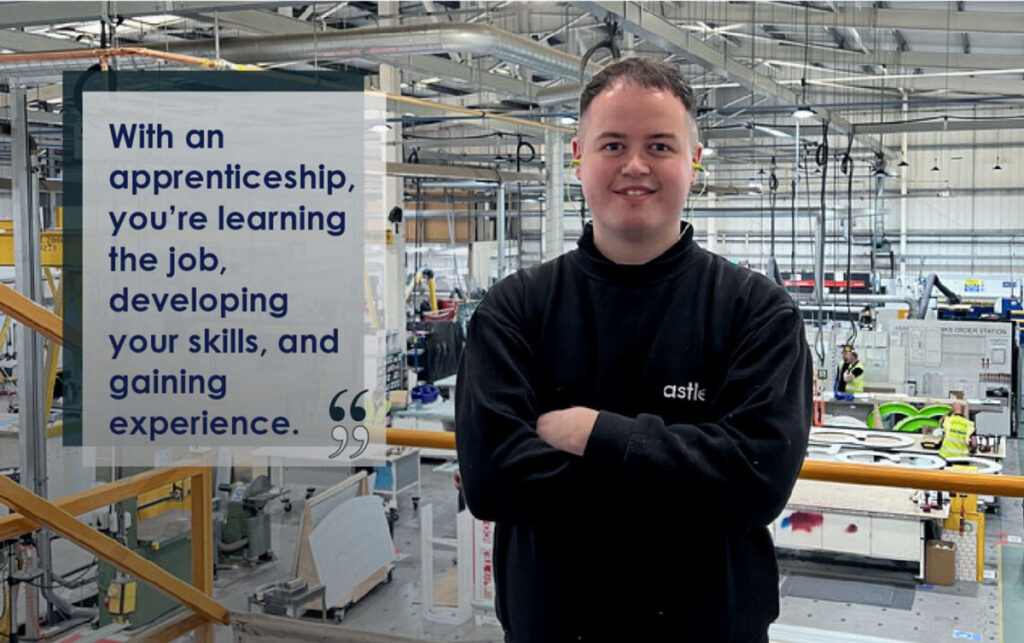
“I think there is a stigma about going down the apprenticeship route over university, as university seems to be the more traditional route. With an apprenticeship, you’re learning the job, developing your skills, and gaining experience.”
Careers that were once only accessible through higher education are now available to those wanting to take the apprenticeship route. Today, modern apprenticeships offer a unique opportunity to combine academic and vocational training, whilst also being employed full-time.
Career progression
“There are lots of career progression opportunities [at Astley], going from apprentice and now to team leader.”
Reece’s journey has highlighted the career opportunities that are available for apprentices like our own. Having already been working in their chosen field for several years before finishing their programme, apprentices have a higher chance of securing a good, relevant job by the end of their training.
Training and development has been instrumental in the overall business strategy of Astley since its inception. We recognise the importance of nurturing the talent of our youth; from the shopfloor and installation, through to finance and sales, we have seen an array of apprentices embrace and succeed in their chosen career path.
Apprenticeships aren’t necessarily something everyone can offer – but we believe they offer an incredibly valuable alternative for both companies and people wanting to start a career. What we need to ensure is that these alternatives are given a bigger platform in order to increase exposure and awareness of such career paths.
Everyone’s path looks different; as long as you know you are on the right one for you, you will always reach your end goal.
A Critical Focus
Sustainability has grown into a critical focus across the globe in recent years, becoming a buzzword within most industries. In a landscape where sustainability has become a global priority, the urgent need to adopt eco-friendly practices is now more important than ever.
At astley, we take pride in our eco-friendly practices and ensure that as a UK manufacturer, we are conscious of our environmental impact. Having started our Net Zero journey in 2022, we are dedicated to continually improving our processes and playing our part in the global efforts to mitigate the impacts of man-made climate change.
It’s important to note the difference between Net Zero and Carbon Neutrality, having seen that the two terms are often misconstrued. While carbon neutrality concentrates solely on greenhouse gas removals in the form of purchased offsets to balance the emissions produced, Net-zero comprises a comprehensive approach of 90% absolute greenhouse gas emission reduction and offsetting the remaining 10% of emissions at the net-zero date and onwards.
As a manufacturer, we aim to reach our Net Zero target by 2040.
Having also celebrated Plastic Free July last month, we wanted to highlight the importance of introducing high-quality sustainable substrates into the signage industry, as well as remaining vigilant of waste and energy use.
So, what steps have we taken?
We are always striving to implement sustainable practices at every step of our production process – from the procurement process through to final installation. We are dedicated to introducing high-quality sustainable substrates, creating less waste, and lowering our carbon footprint – and we always encourage our staff to consciously uptake any proactive initiatives.
Material Selection
Relying on materials such as vinyl, plastics, and other non-recyclable materials can lead to significant environmental impacts. By embracing sustainability practices, we can help to minimise these adverse effects and reduce the industry’s ecological footprint.
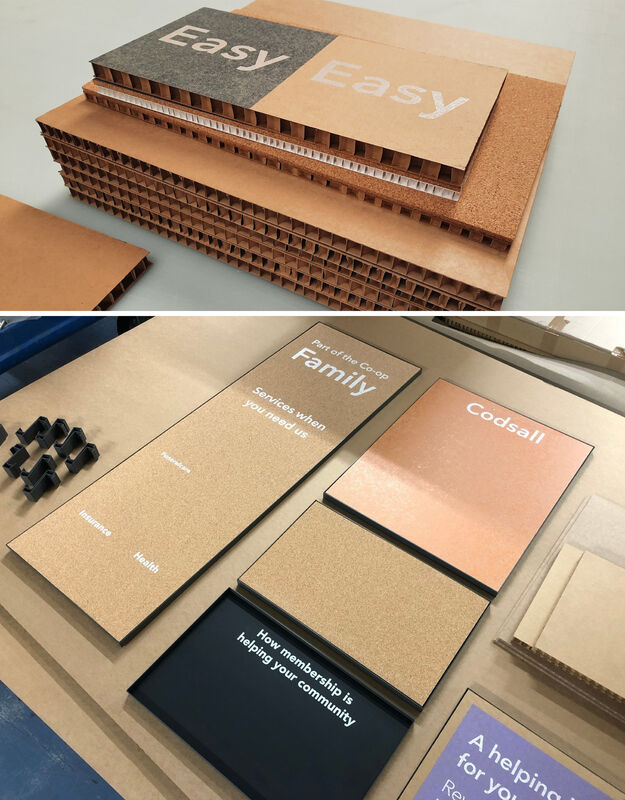
astley is always searching the market for new sustainable alternatives, without compromising quality or creativity. From eco-friendly acrylics and recycled aluminium to an array of card-based materials, we have established a variety of sustainable materials that act as quality alternatives to virgin materials.
Considering the growing problem of plastic pollution (with the UK using about 5 million tonnes of plastic each year), we are always making conscious decisions to lessen our plastic consumption, having introduced PVC-free vinyls and plastic-free foam PVC to our substrate selection. Not only is it better for the environment, but it is also the more cost-effective choice in the long run.
We also have an array of card-based materials that could be used in place of plastics, including Ultraboard, Xanita, and Libra Display Board.
Recycling & Waste Reduction
It is estimated that more than 80% of non-recyclable signage ends up in landfill. By adopting sustainable practices, signage companies can reduce waste as well as conserve resources. astley is proud to be a zero-to-waste-to-landfill supplier, whereby we are committed to diverting all waste from landfill disposal by recycling, reusing, and recovering energy from leftover materials.
A great example of this is our new creative meeting room at our site in Kettering, which was produced from a variety of recycled offcuts and in-house surplus materials. Boasting a contemporary peg board feature wall and a completely recycled custom table, this room is a testament to astley’s commitment to sustainability.
Renewable Energy
We are also proud to work with solar energy, having recently supported Central Co-op with the first solar-powered totem of their estate.
This is a rapidly developing market, with new media and methodologies introduced daily, and allows the opportunity to achieve high-quality illumination while being cost-effective and adherent to Net Zero ambitions.
ISO 14001
In accordance with our ISO 14001, we work with our suppliers and clients on the sustainability of products. This international standard ensures that we continually monitor and seek to reduce our environmental impact, from our waste management to our resource use and efficiency.
Not only does this certification help to comply with environmental regulations, but it also provides a focus for employees, managers, and suppliers to embed environmental thinking at the heart of business strategy.
We also continue to ensure that the commitments of our supply chain also align with our own environmental efforts. It is vital that we factor sustainability, environmental and social impacts into our procurement process, understanding the potential impact that annual spend has on the environment.
And so…
Ultimately, sustainability is not just a buzzword; it is a responsibility that every industry must shoulder. Sign makers have the potential to pioneer change within the manufacturing industry, by embracing sustainable alternatives, recycling processes, and efficient energy use. Sustainability – rather than a destination – is a journey, and the best we can do is take conscious steps toward making the planet a greener place.
10 Years in the Running
The Great North Run brought another summer season to a close for astley, with an incredible weekend filled with astounding achievements and a strong sense of community that makes us proud to be local to the North East.
Each year, 60k runners gather to run the 13.1 mile route from Newcastle to South Shields in bids to beat personal bests, in aid of a fantastic array of charities, and in an effort to just be a part of something great. It’s known as the world’s biggest half marathon!
But why was it so special for us in 2023?
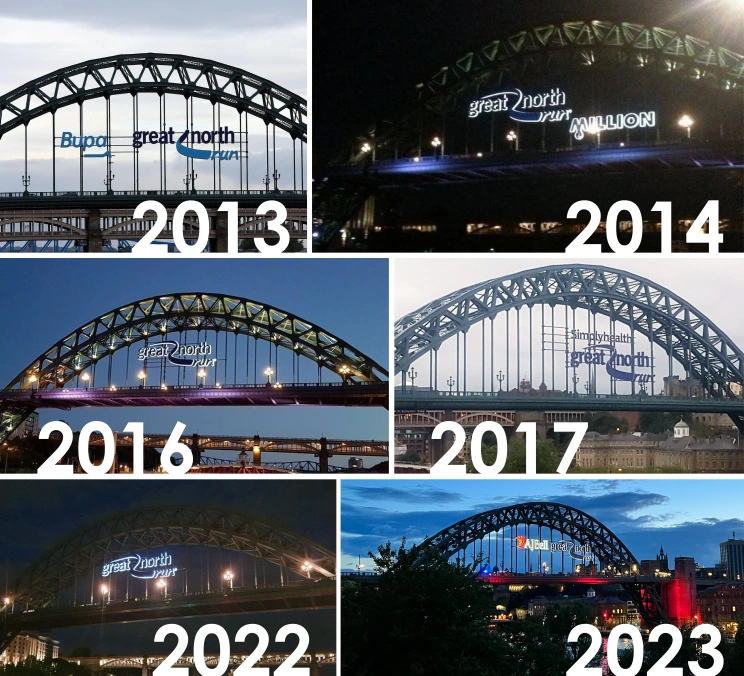
With 2023 marking the 42nd year of the iconic half marathon, it also marked the 10th year of astley manufacturing and installing signage onto the iconic Tyne Bridge. Each year our experienced and skilled workforce is challenged both physically and technically when undertaking the prestigious Great North Run sign, and from the planning through to installation, it is an incredible feat.
The GNR Sign
We are always so proud to be responsible for the sign that is a symbol of not only the power of running, but also a symbol of sheer determination and the strength of community within the North East. Each year it is an incredible achievement to see the sign take centre stage as it overlooks the Quayside and brings with it a sense of anticipation.
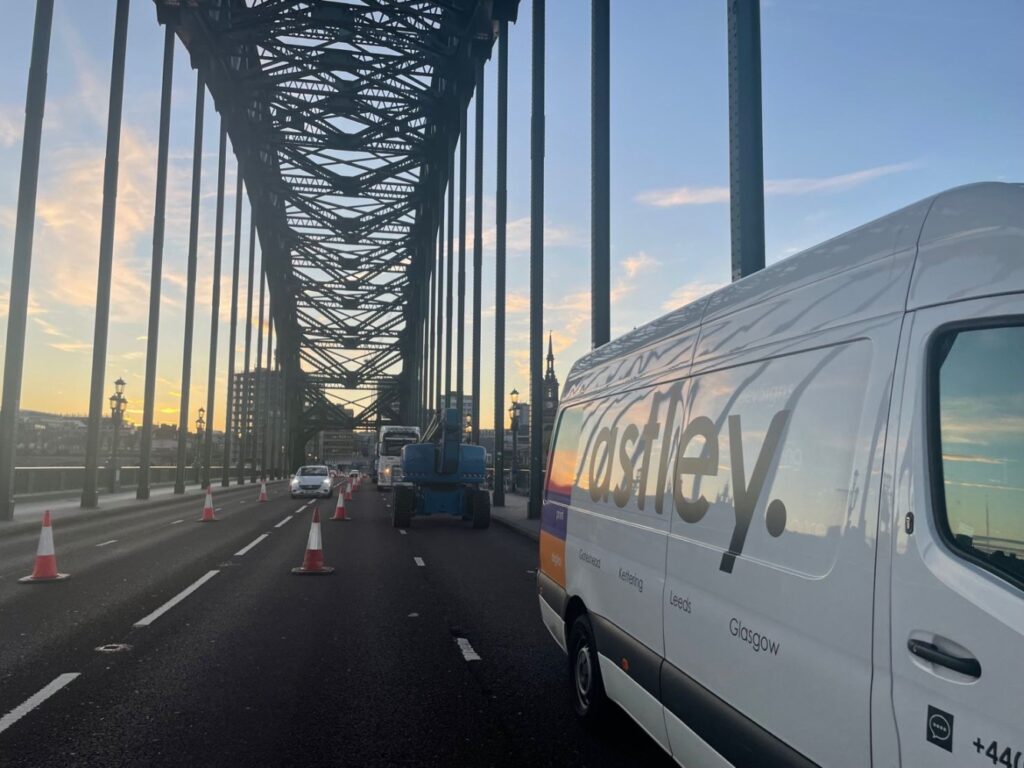
Working closely with Newcastle City Council and Gateshead Council, our teams at Astley ensure that the structural design and all elements of health and safety are of the highest quality prior to installation.
The logistics of traffic management when fixing the sign on the bridge is a challenge in itself, with the bridge having to complete lane closures throughout the night over a 5-day period. Using high-level access equipment, our brave crew then face heights of 16.5 metres to reach the first fixing points – a task not for the faint-hearted!
#TeamAstley taking part in the Great North Run
We are so proud of our teams as they not only take on the challenge of installing the monumental sign, but also take part in the race itself. Each year, we love to see familiar faces in the crowd as they cross the finish line, and this year was no different.
The Great Run Company
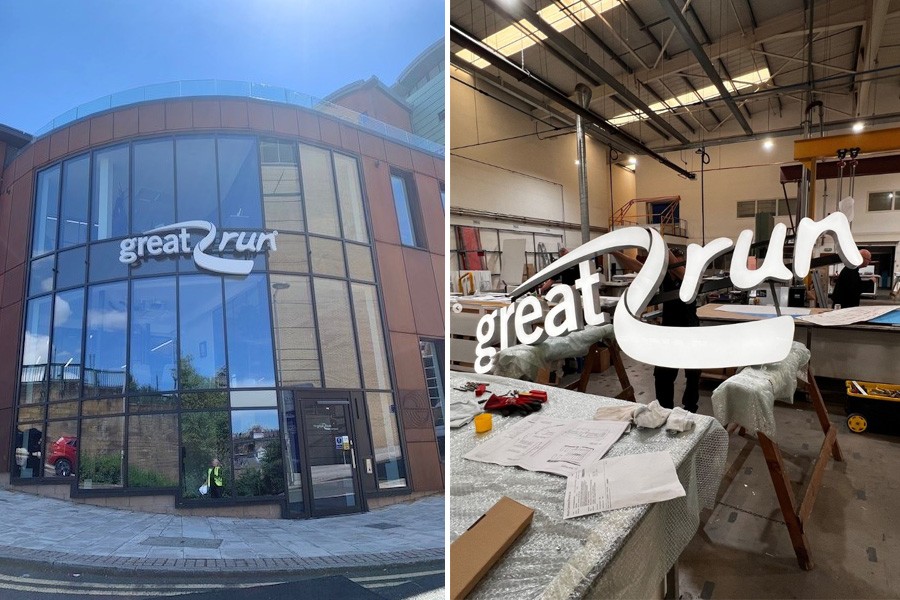
As well as being responsible for the Tyne Bridge sign each year, we have had the pleasure of manufacturing and installing the building signage for the Great Run Company at their head office by the Tyne Bridge.
We are proud to be in partnership with such an esteemed local business, especially as The Great Run Company champions sustainability with the same vigour and passion as we do, as they ensure that the efforts they undertake are ‘engaged in a way that is meaningful and has long-term sustainability at its heart.’
As a manufacturing company that focuses greatly on its Net Zero long-term targets and carbon emission goals, we are thrilled to continue cultivating this local partnership with an organisation that shares our environmental values.
And so, with yet another triumphant race under wraps for one more year, we want to say another huge well done to all those involved in every aspect of the grand event.
We are always incredibly proud to play a small part each year, and with 2023 marking a decade of astley signage installations on the Tyne Bridge, we look forward to seeing what the next decade will bring…
The FMCG (Fast-Moving Consumer Goods) sector is one of the largest in the UK economy. With its rapid product turnover and intense competition, the industry demands consistent innovative solutions to capture ever-changing consumer preferences. The post-Covid landscape has changed the way in which we buy and consume goods, providing both challenges and opportunities for grocery retail.
Signage plays a huge part in guiding consumers through this landscape. Not only does it direct you through the store, but signage also helps to create an immersive branded environment and experience.
At Astley, we have the pleasure of working with some huge grocery retailers, including Asda, Sainsbury’s, and Co-op. Whether it’s a brand new development or a rebrand of an existing site, we have assisted with the planning and visualisation of store environments, offering years of expertise in brand implementation.
So, what trends have we seen in 2023?
Concessions
With the rise in online retail and click-and-collect shopping, it has become imperative for grocers to focus on ways to bring customers back into the physical store. Supermarket concessions have proved to be a good method for repurposing large supermarket sites, as they not only help to boost store footfall and profitability for the main grocer but also increase footfall for the concession brand.
The most popular concession over the past few years has been food and drink, with the biggest grocers establishing partnerships with names such as Costa Coffee, Starbucks, Pret A Manger and more. Introducing well-known and loved brands encourages shoppers into the store as they are familiar with the product and can purchase it in a convenient setting.
Most recently, a market that is now popping up in retailers is homeware and DIY, with Tesco having partnered up with Homebase and Asda with B&Q. By integrating well-known homeware and DIY brands, these supermarkets enhance their appeal as lifestyle hubs rather than just places to buy groceries.
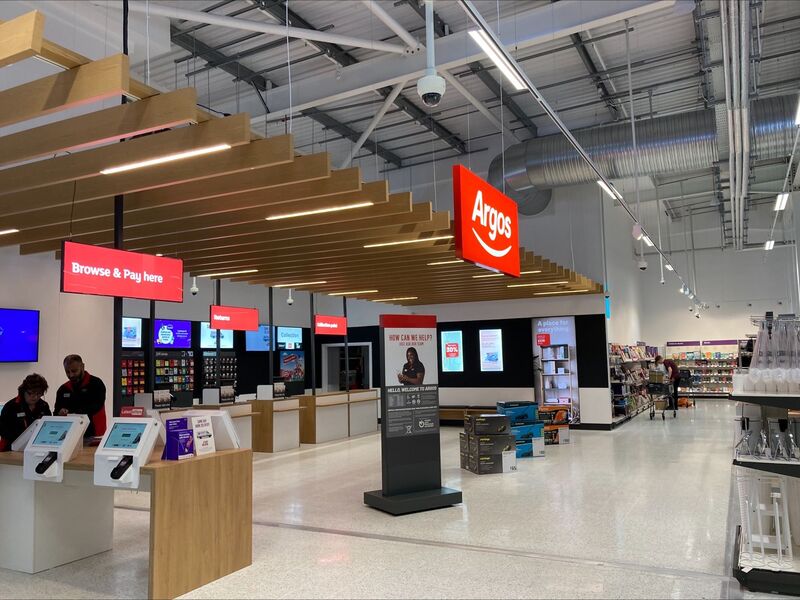
A partnership we are incredibly proud of is with Sainsbury’s, who we have been supporting for over 20 years now with their brand graphics, managing rebrand and refresh programmes and seasonal campaign work across their UK sites. Since their acquisition of Argos back in 2016, Astley has had the pleasure of completing the works for not only their Sainsbury’s branding but also for their Argos concessions.
Experiential environments
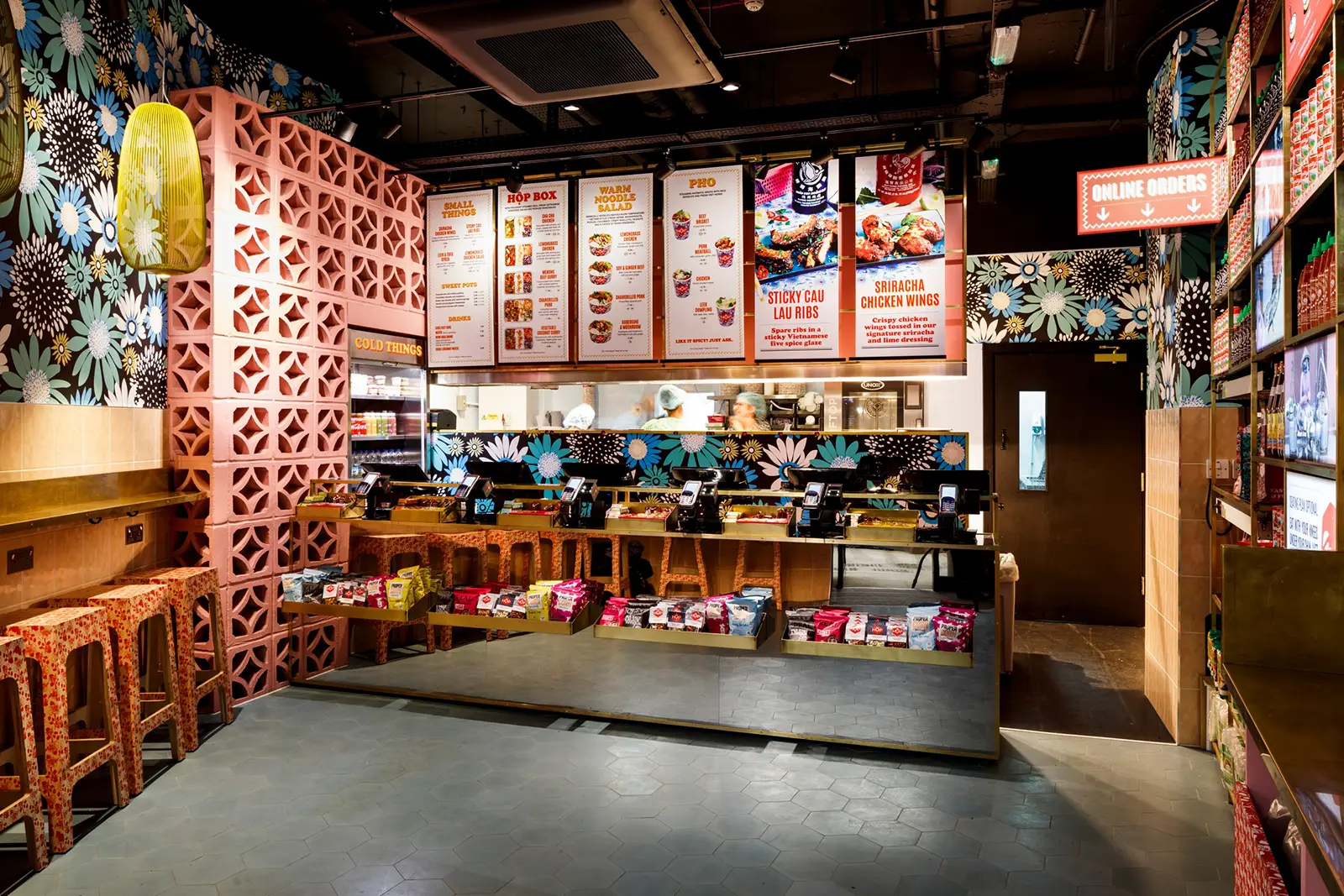
The introduction of spaces such as concessions has transformed the everyday mundanity of grocery shopping and pushed the concept of experiential environments. By creating a community-centric space in which customers can browse, linger and even dine, this turns the somewhat chore of shopping into that of an experience.
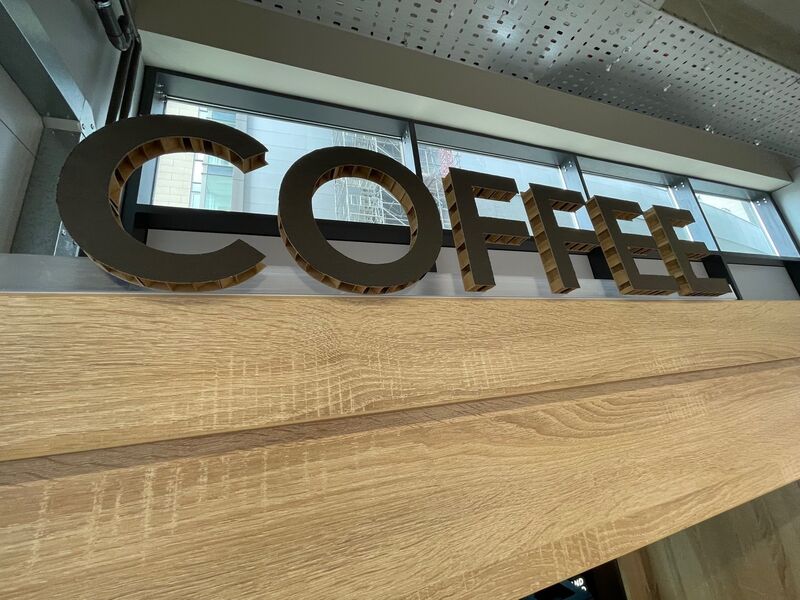
A great example of a project we recently worked on that embraced this experiential approach, is the new Food Hub concept in Asda stores. We had the pleasure of installing the signage for this new concession space, in which customers can now purchase pizza, coffee, and other grab-and-go products. By also implementing fast-food style touch screen tablets, this makes for not only a quick and efficient service but also provides a new and exciting way to browse and buy in-store.
Sustainability
A huge buzzword in any industry, sustainability is just as prevalent in the FMCG sector. According to research, one in five shoppers say they have acquired more sustainable habits since the pandemic began. With this increased demand for socially responsible products and practices, recent FMCG initiatives have put a critical focus on sustainable labelling, sustainable sourcing, and even renewable energy.
Astley was beyond proud to embrace renewable energy as a result of the onboarding of a fantastic new client – Central England Co-op UK. Earlier this year, we were so excited to have installed the first solar-powered totem of Central Co-op’s estate in Streethay. Solar-powered totems represent not only a forward-thinking approach to sustainability, but also offer a practical and cost-efficient solution that remains visually appealing.
The totem, with its subtle and sleek design, allowed for the solar panels to blend seamlessly into the structure – so much so, you can hardly tell it’s solar-powered!
And so…
The post-covid landscape has brought with it changes in consumer preferences and market trends, changing what people buy to how they buy it and where from. With the rise of e-commerce especially, this has called for industries like the FMCG sector to react and adapt to these changes.
From concessions and experiential environments to the topic of sustainability, signage has an important role in all of these. By enticing people into store, immersing them into an environment, and telling a visual story about a brand, signage has proven to be pivotal in responding to ever-changing trends. Now, we look forward to seeing what 2024 will bring..