
As the financial year draws to a close for most UK businesses, attention will naturally turn to planning for the next. Capital expenditure is reviewed, priorities are reassessed, and investment decisions begin shaping the next 12 months.
For many organisations managing multiple locations, this process focuses heavily on operational upgrades, expansion plans, or technology investment. Yet one critical area is often reviewed too late – the physical brand across the estate.
Typical signage failures include:
- Water ingress
- UV fading and colour deterioration
- Wind damage
- Corrosion at fixings
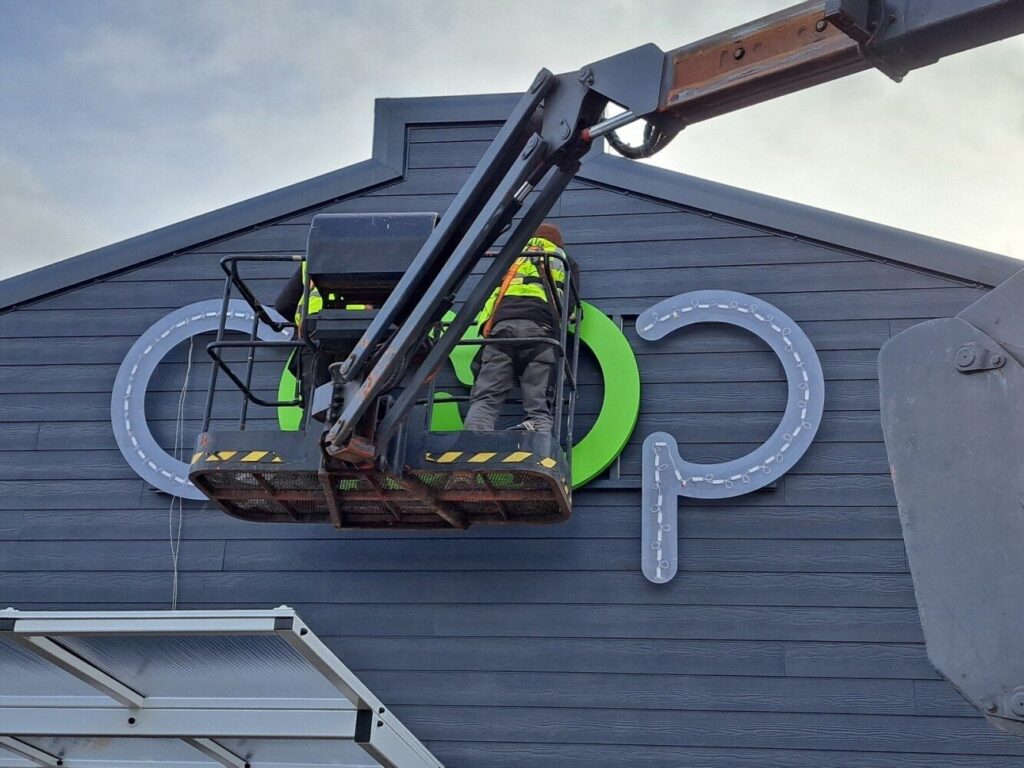
Branding is rarely considered a financial risk…until it becomes one!
A failed sign, an inconsistent customer experience, or an unexpected replacement programme can quickly turn into unplanned spend. The end of the financial year offers a valuable opportunity to step back and ask a more strategic question: is your brand estate performing as an asset, or quietly becoming a liability?
Why does this matter more now?
Footfall patterns across the UK have changed significantly over recent years. Physical locations are not disappearing, but they are becoming more selective destinations. Customers are making fewer trips, choosing environments that feel current, easy to navigate, and aligned with expectations of quality and trust.
Some sectors and locations have seen encouraging increases in visitor numbers, particularly where sites combine convenience, experience, and strong environmental presentation.
Retail parks, leisure-led destinations, and well-invested high streets have demonstrated that people still value physical spaces…when those spaces give them a reason to visit.
In this environment, the physical expression of a brand plays a larger role than many organisations realise. A well-maintained, consistent estate signals confidence and relevance. A tired or inconsistent one can quietly erode perception long before performance metrics highlight a problem.
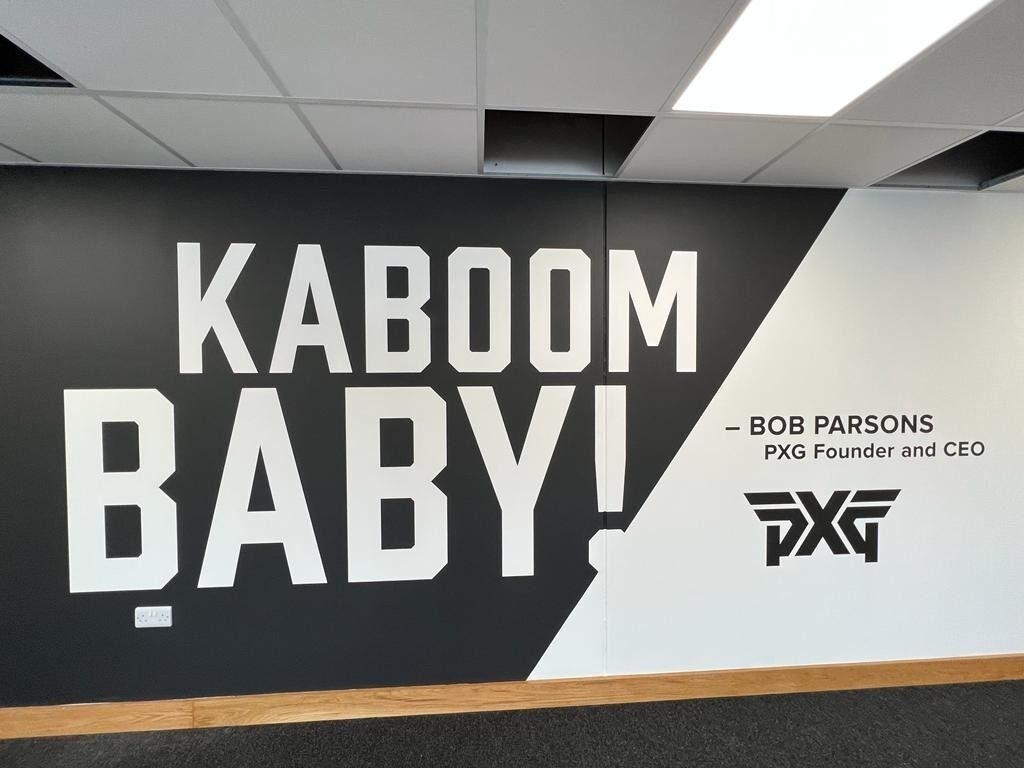
Did your brand perform for you this year?
Financial planning often focuses on future projects, but year-end is also the right moment for reflection.
Before allocating next year’s CapEx budget, it is worth asking a few honest questions:
- Did our brand actively support customer engagement this year, or simply exist in the background?
- Which locations performed strongest — and what did customers experience when they arrived?
- Are some sites underperforming because the environment feels outdated or inconsistent?
- Do customers encounter one clear brand, or multiple variations across different locations?
- Are we planning investment strategically, or preparing to react to failures we already suspect are coming?
These questions move branding away from aesthetics and into operational performance.
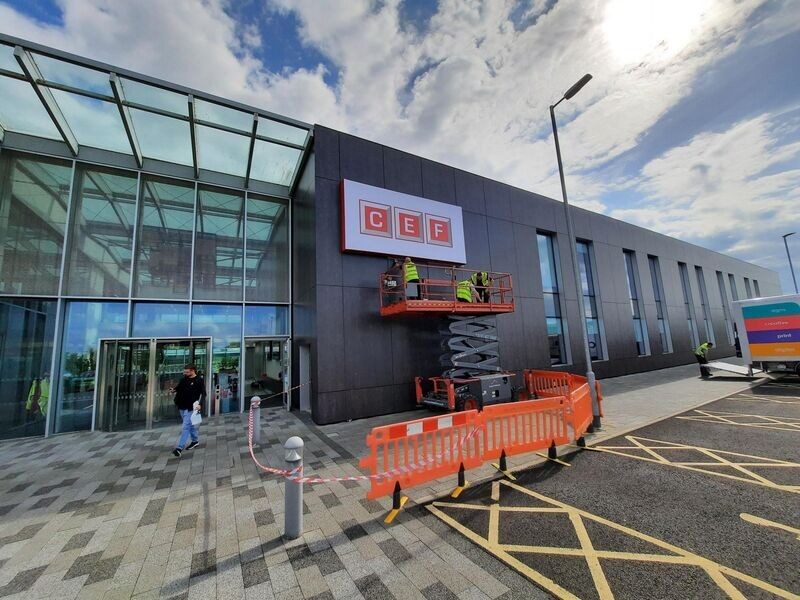
The HIDDEN COST of DEFERRED maintenance
Across large property estates, branding assets often follow a familiar lifecycle: install, operate, ignore, then urgently replace.Maintaining your estate signage can help protect against unexpected costs due to failure
Illumination failures, structural wear, weather damage, outdated messaging, or legacy branding left behind after refurbishments rarely appear suddenly. They develop gradually, often unnoticed until they demand immediate attention.
…investment becomes reactive rather than planned. Budgets intended for improvement are redirected toward problem-solving. Timelines shorten. Costs rise. Internal pressure increases.
Preventative maintenance changes this dynamic. Regular assessment allows organisations to forecast replacement cycles, prioritise risk, and align spending with long-term strategy rather than short-term disruption.
In financial terms, it replaces surprise expenditure with controlled investment.
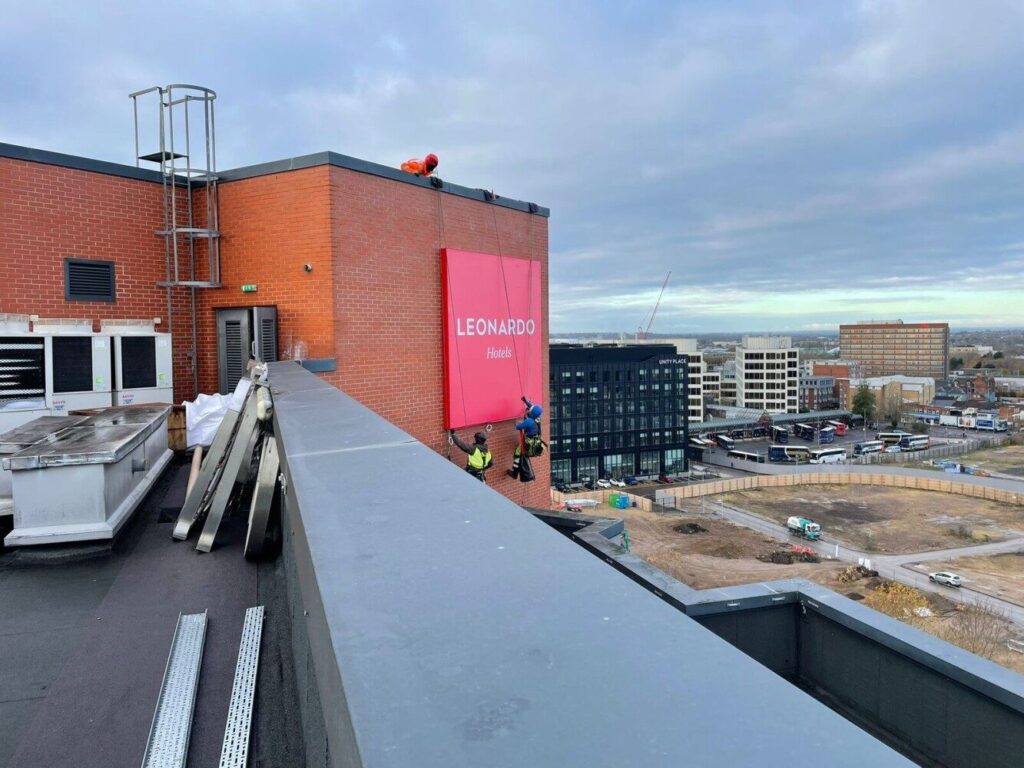
Maintaining your estate signage can help protect against unexpected costs due to failure
Recent performance trends suggest that successful physical destinations share a common characteristic: intentional environments.
Customers increasingly choose where they go based on ease, clarity, and experience. Locations that feel modern, well cared for, and visually coherent communicate reliability before a customer even walks through the door.
Branding contributes directly to this perception. Clear wayfinding reduces friction. Well-maintained signage reinforces trust. Consistent brand presentation across locations builds familiarity and confidence.
The difference is often subtle, but cumulative. When competitors invest thoughtfully in their environments, standing still can gradually become a competitive disadvantage.
Spending wisely, not simply spending more
The coming financial year will likely continue to demand careful investment decisions. Rising operational costs mean organisations are scrutinising CapEx more closely than ever, expecting each project to deliver measurable value. This does not necessarily mean spending more on branding. It means spending more intelligently.
A structured estate review can help organisations move from reactive upgrades to strategic planning:
- Audit the current estate for condition, compliance, and consistency.
- Identify risk areas where failure or deterioration may create future disruption.
- Forecast lifecycle replacement rather than emergency repair.
- Align investment with broader brand and operational objectives.
Approached this way, branding investment becomes part of asset management rather than an isolated marketing expense.
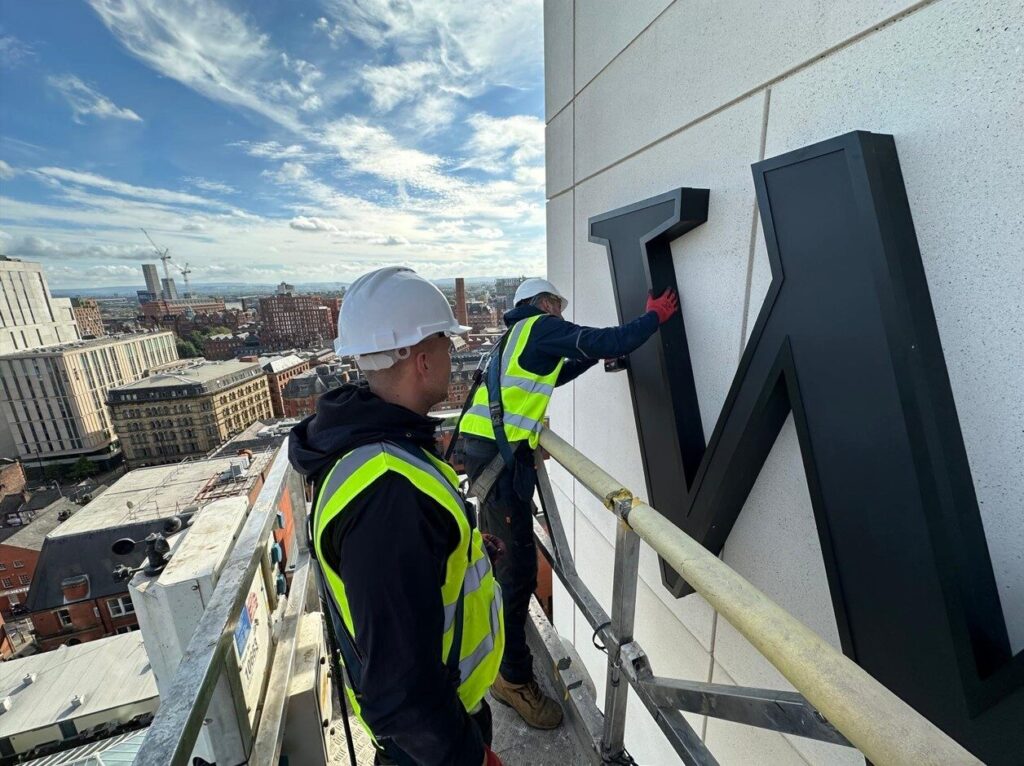
Choosing the right partner
Managing branding across an estate is rarely a single project. It involves technical understanding, operational awareness, compliance considerations, and long-term planning.
Because when branding is treated as an operational asset rather than a reactive expense, careful planning prevents costly surprises – and choosing the right partner becomes a critical part of protecting that investment.
Astley is considered one of the leading signage and brand maintenance partners in the UK, offering dedicated 24/7 responses and proactive and reactive maintenance packages. If you’re interesting in understanding more about how we can help you get the best ROI from your Capex this year, email enquiries@astley-uk.com or visit our website page.
Industry & Signage Trends for 2025
The signage industry is constantly developing. Each year transcends the last as technologies evolve and capabilities grow. In 2025, we are seeing advancements that are bringing in fresh opportunities and transforming the way we work.
As a signage company, staying aligned with not only industry trends but also to developments in broader sectors is essential to meeting client needs and staying competitive in an incredibly dynamic market.
With that in mind, we have explored the 2025 trends that are defining some of the major sectors we work within – including retail and PFS – while also delving into new technologies and of course, sustainability.
So, buckle up and join us as we explore the exciting opportunities that 2025 has in store…
Retail: Bigger Stores & Brand Partnerships
Flagship Stores
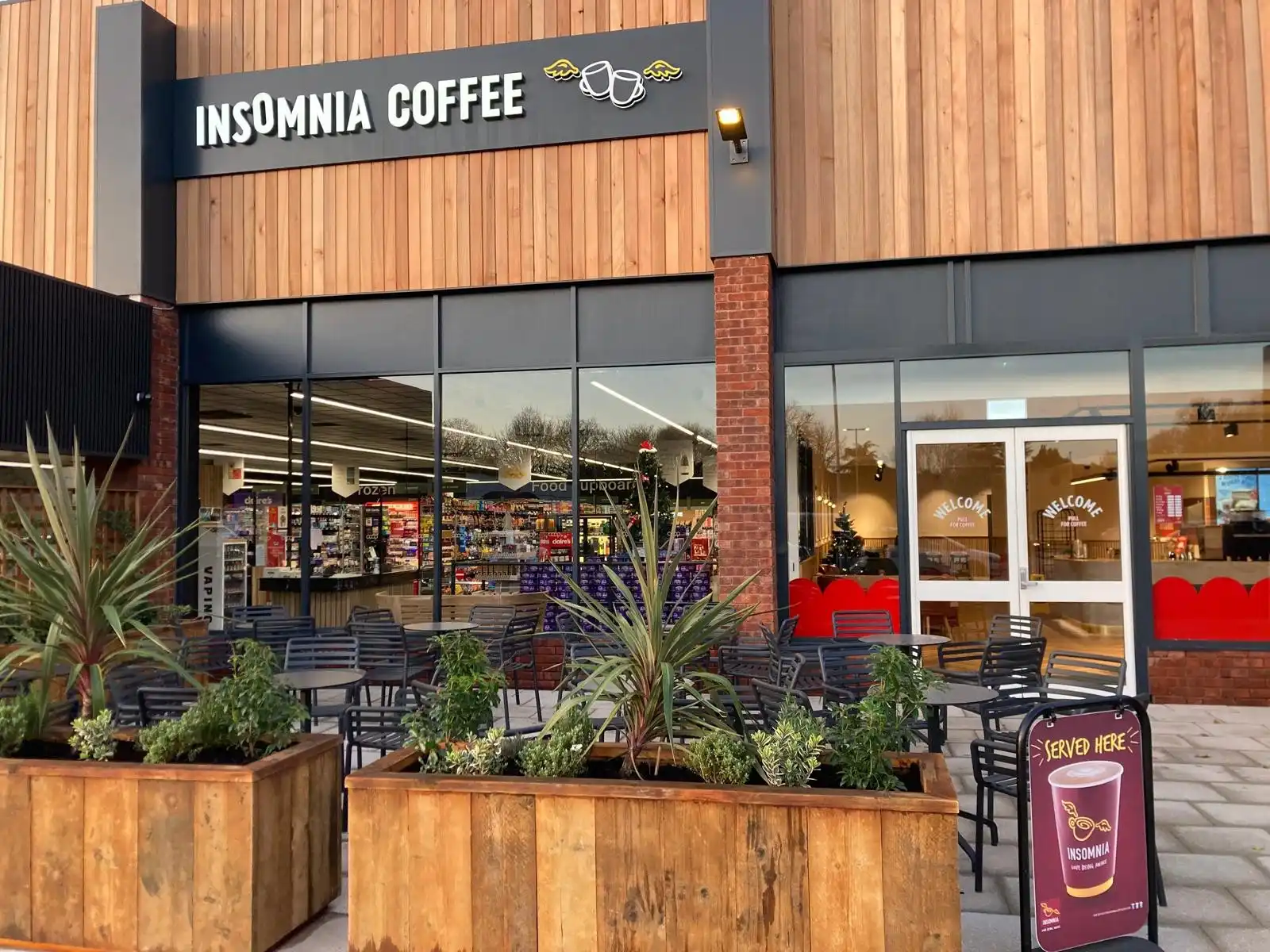
Recently, retail has seen an increasing shift towards larger flagship stores and transforming these spaces into destination stops rather than mere points of transaction.
Many leading retail giants are focusing on the rollout of fewer, larger, more tech-driven stores in prime locations. These stores are offering improved omni-channel and immersive brand experiences to create experiential shopping experiences. From interactive displays to digital installations and luxury store design, these flagship stores are becoming the pinnacle of customer experience.
Recent data has shown that UK retail parks have become the most effective when it comes to footfall, experiencing a notable 7.3% increase in visitor numbers during September 2024. – Aoife Morgan, Retail Gazette
Retailers are therefore making the decision to follow their customers and open larger flagship concept stores in these one-stop retail park locations.
Recently, there has been an increasing shift towards larger flagship stores for retail brands in prime locations.
Concessions
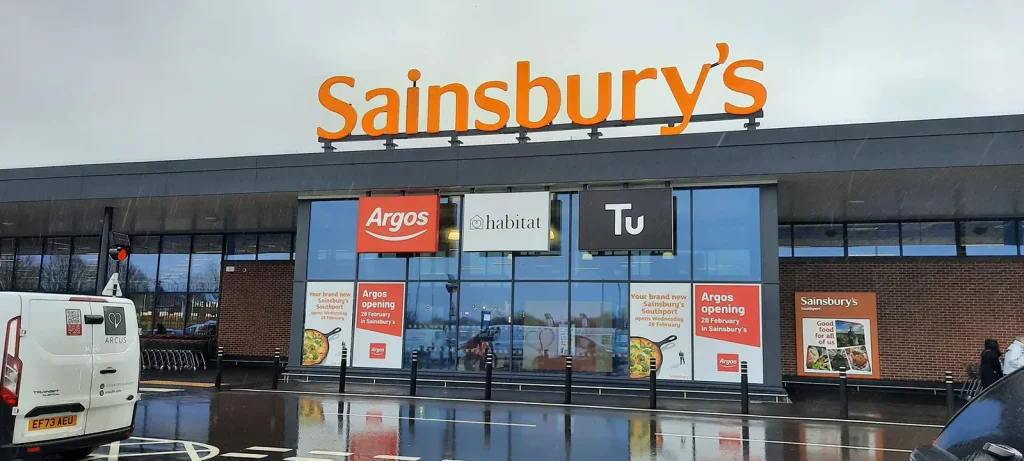
Similarly, not only are these stores expanding their size and technological capabilities, but they are also expanding in terms of their concession spaces. Retailers are introducing new and improved spaces, including high-end cafés and bigger in-store brand collaborations. These store-in-store offerings are becoming more experiential, more creative, are hugely beneficial for customer engagement and increased footfall.
No longer are concessions just small in-store pop-ups, but they are now transforming into something bigger. The opportunities for concessions are endless as the distinction between sectors begin to blur and our one-stop shops are now capable of offering anything from DIY and clothing to food and coffee.
So, what does this mean for us?
These retail developments offer new unique projects for signmakers. We’re starting to see stores in a way that we’ve never seen them before, and it brings with it new creative opportunity.
We’re talking bigger signage, immersive branded assets, digital signage, and new concession branding. As retail spaces become more experiential, the demand for bespoke and high-quality signage is growing. This allows us to showcase our creativity and capability, and positions signmakers as essential partners in these new retail ventures.
PFS: The Forecourts of the Future
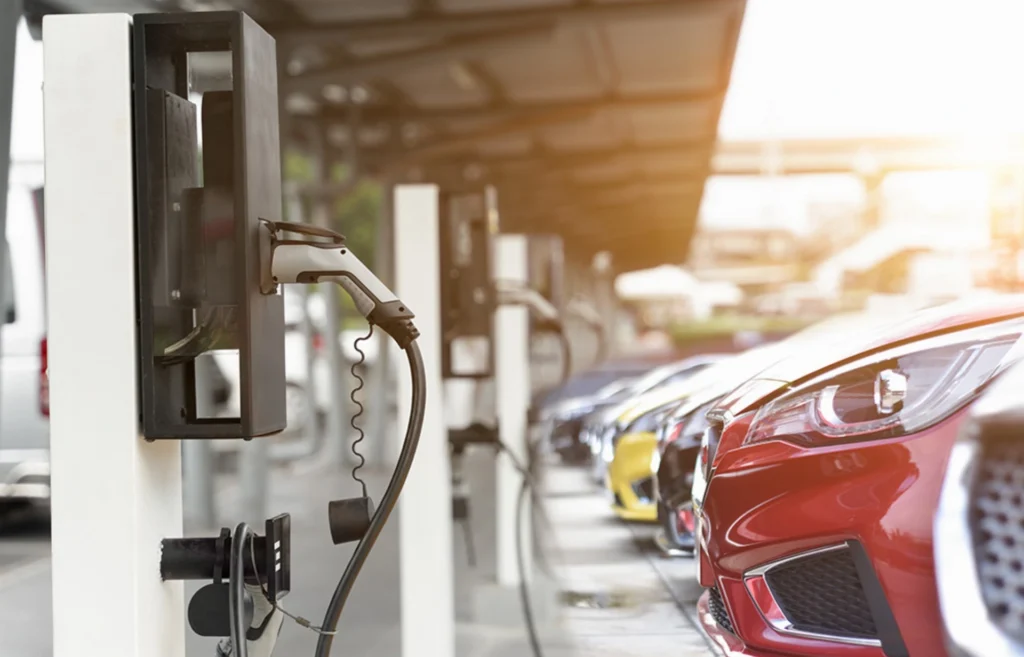
Service stations continue to grow bigger and better, as FMCG and EV offerings grow even further. No longer are roadside retailers merely ‘convenient’ – they are becoming the next destination stop.
In the past few years, new energy solutions at these service stations have hugely progressed and still continue to do so. But what does 2025 hold for new energy services?
EV Signage
It’s important to ensure that forecourts are marked as clearly as possible for drivers, especially when their services are extremely necessary – for EV drivers, this is a current dilemma.
A key topic of discussion in the world of EV revolves around their signage – or lack thereof.
Surprisingly, out of 73,699 electric vehicle charging points across the UK, only 25 of these on motorways are marked with official road signs. This has led to some of the UK’s biggest EV operators to lobby for official EV signs to be placed on major roads and motorways, in order to put EV drivers at ease.
While there are still restrictions surrounding the majority of potential EV signage, there are some plans to add EV symbols to roadside facilities by April 2025. As this demand grows, our industry will be ready to play a part in shaping this vital infrastructure and helping to reduce anxiety for EV users through essential signage.
Out of 73,699 electric vehicle charging points across the UK, only 25 of these on motorways are marked with official road signs. – Nicholas Hellen, The Times
Hydrogen Fuel
One of the latest developments in our forecourts of the future is the introduction of hydrogen fuel. Hydrogen fuel is emerging as a key player in the transition to sustainable energy, complementing EV in the push toward net zero emissions. While still in its early stages, the development of hydrogen infrastructure is gradually gaining momentum.
The UK’s hydrogen strategy outlines ambitions to produce 10GW of low-carbon hydrogen by 2030, half of which is intended for transport and heating. Several hydrogen refuelling stations are already operational, and more are in the pipeline – in December 2023, there were 16 stations across the country with a further 16 projects set to open in Britain.
It’s important to keep hydrogen in the back of our minds as it continues to grow and develop, requiring new branded infrastructure that is accessible, safe, and visually recognisable.
As the hydrogen economy grows, the demand for innovative, sustainable, and technologically advanced signage solutions will only increase, cementing the signage industry’s importance in this transition.
Hydrogen fuel is emerging as a key player in the transition to sustainable energy, complementing EV in the push toward net zero emissions.
AR & VR: Streamlining the Prototyping Process
Similar to the recent surge of AI, augmented reality (AR) and virtual reality (VR) are also emerging as hugely powerful tools in the signage industry. Not only do they enhance the client experience, but they also facilitate the signage production journey as a whole.
Visualisation and design are some of the most critical parts of the signage process. With AR and VR, clients are now able to experience their signage designs in a fully immersive, 3D environment even before they are produced and installed.
VR: Using VR, you can emulate large spaces i.e. retail parks, to help design and develop wayfinding systems, for example. By placing yourself in the totally virtual environment, you can test various signage placements and designs, ensuring that the wayfinding system is effective before installation.
AR: While VR immerses users in a completely virtual environment, AR allows clients to see their virtual signs in the real world. By combining digital items and real-world backgrounds, you can visualise what your sign looks in their actual, physical locations.
Visualisation and design are some of the most critical parts of the signage process.
While VR and AR are still in their infancy within the signage industry, it is an exciting development in terms of the signage design process. The use of these tools can help clients ‘visualise’ a product, streamline the prototyping process and ease the transition from design to manufacture.
Is VR the future of signage prototyping? Well, we look forward to finding out.

With AR and VR, clients are now able to experience their signage designs in a fully immersive, 3D environment.
Sustainability
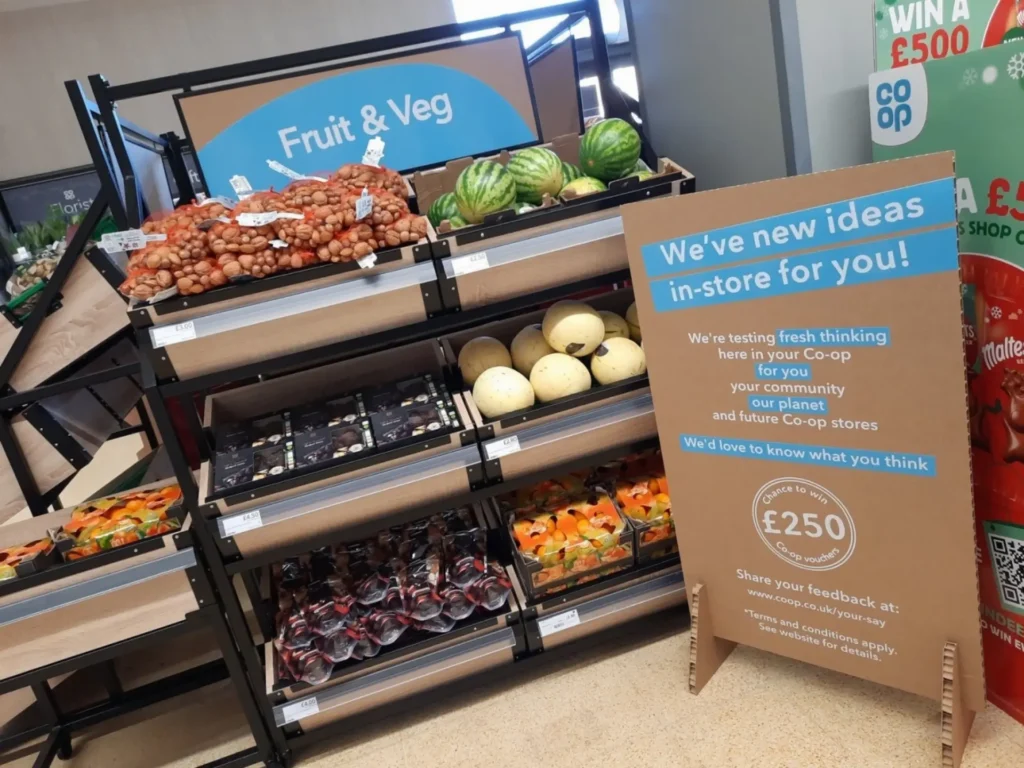
Sustainability is not just a trend, but rather the new norm that is defining the direction of the industry. And it’s not just our industry, either. From retail to hospitality, every sector is being driven with one goal in mind – sustainability.
The use of more eco-friendly substrates and recyclable material is steadily on the rise. The hospitality industry, for example, are integrating more eco-friendly materials and energy-efficient systems into their spaces. We are expected to see an increase in reclaimed wood, natural stone, green walls, recycled fixtures, enhancing both the aesthetics and the sustainability of different venues.
Technology is also improving as a tool for sustainability, with AI now helping to contribute to the progress of sustainable efforts. For example, AI-powered systems are capable of optimising energy usage and reducing waste during the production process – supporting environmental initiatives as well as cost-saving goals.
In 2025, it’ll be interesting to see how new technologies will be used to facilitate the environmental impact of business’ operations in line with their net zero objectives.
Sustainability is not just a trend, but rather the new norm that is defining the direction of the industry.
In summary…
As an industry, we are continuously presented with new developments and exciting progressions – and 2025 is no different.
As always, technology remains front and centre as the leading contributor to industry progress in not only production, but also with sustainable initiatives. AI and VR are both key players in the industry and continue to show us just what we are capable of with the right tools.
From new retail flagships to new energy-efficient fuel solutions, there are so many impressive new developments in the sectors that we work in. That’s the beauty of signage – you aren’t pigeon-holed to one industry. As signmakers, we get to experience the endless innovations that each sector has to offer, and play a part in watching these developments come to life.
The start of the year invites us into 2025 with exciting developments and novel opportunities, and we are eager to embrace the journey ahead.
Care to join us?
The FMCG (Fast-Moving Consumer Goods) sector is one of the largest in the UK economy. With its rapid product turnover and intense competition, the industry demands consistent innovative solutions to capture ever-changing consumer preferences. The post-Covid landscape has changed the way in which we buy and consume goods, providing both challenges and opportunities for grocery retail.
Signage plays a huge part in guiding consumers through this landscape. Not only does it direct you through the store, but signage also helps to create an immersive branded environment and experience.
At Astley, we have the pleasure of working with some huge grocery retailers, including Asda, Sainsbury’s, and Co-op. Whether it’s a brand new development or a rebrand of an existing site, we have assisted with the planning and visualisation of store environments, offering years of expertise in brand implementation.
So, what trends have we seen in 2023?
Concessions
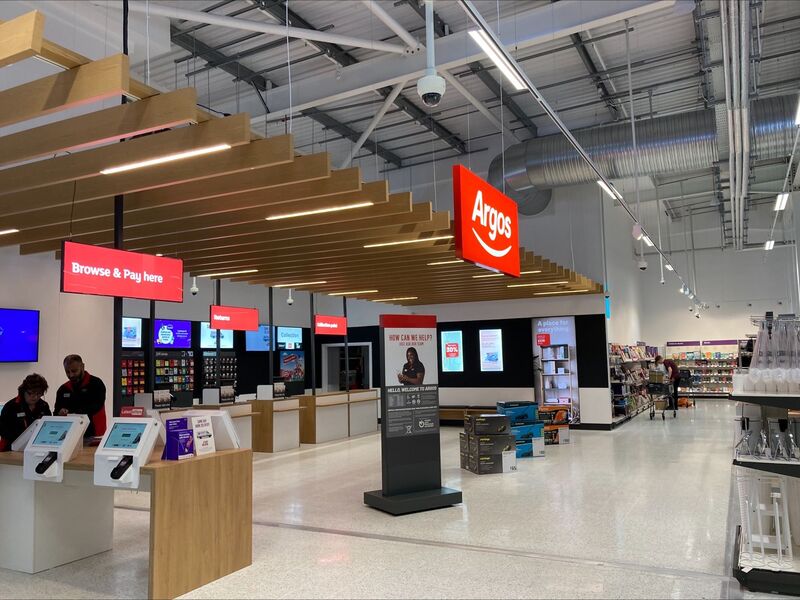
With the rise in online retail and click-and-collect shopping, it has become imperative for grocers to focus on ways to bring customers back into the physical store. Supermarket concessions have proved to be a good method for repurposing large supermarket sites, as they not only help to boost store footfall and profitability for the main grocer but also increase footfall for the concession brand.
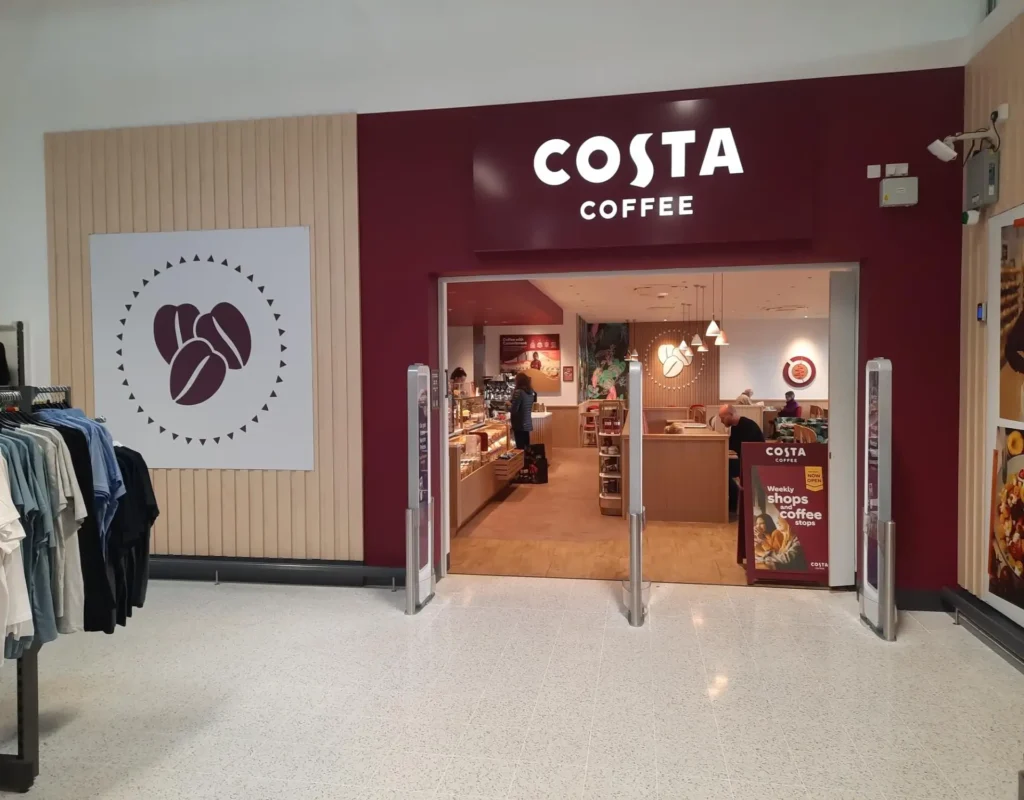
The most popular concession over the past few years has been food and drink, with the biggest grocers establishing partnerships with names such as Costa Coffee, Starbucks, Pret A Manger and more. Introducing well-known and loved brands encourages shoppers into the store as they are familiar with the product and can purchase it in a convenient setting.
Most recently, a market that is now popping up in retailers is homeware and DIY, with Tesco having partnered up with Homebase and Asda with B&Q. By integrating well-known homeware and DIY brands, these supermarkets enhance their appeal as lifestyle hubs rather than just places to buy groceries.
A partnership we are incredibly proud of is with Sainsbury’s, who we have been supporting for over 20 years now with their brand graphics, managing rebrand and refresh programmes and seasonal campaign work across their UK sites. Since their acquisition of Argos back in 2016, Astley has had the pleasure of completing the works for not only their Sainsbury’s branding but also for their Argos concessions.
Experiential environments
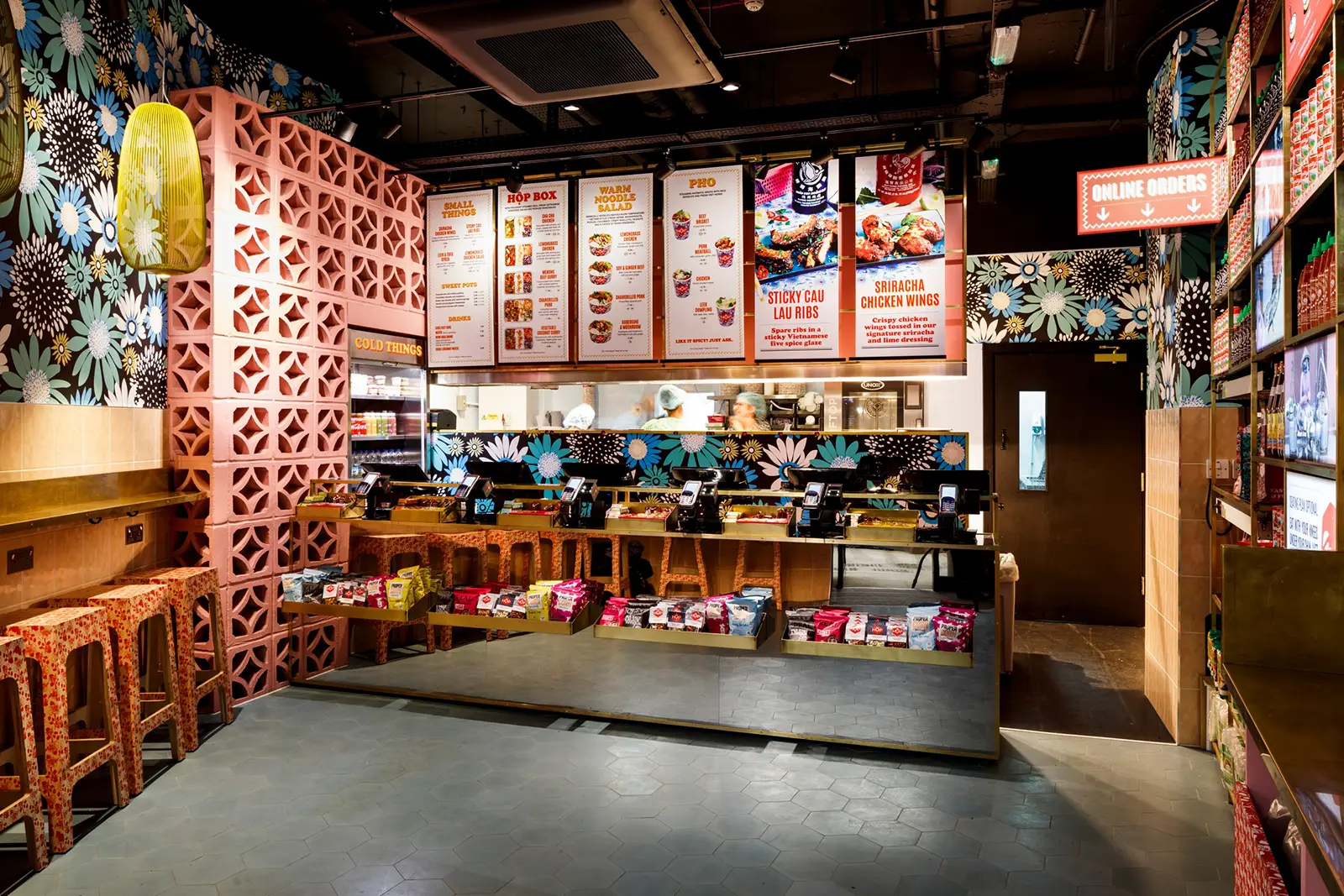
The introduction of spaces such as concessions has transformed the everyday mundanity of grocery shopping and pushed the concept of experiential environments. By creating a community-centric space in which customers can browse, linger and even dine, this turns the somewhat chore of shopping into that of an experience.
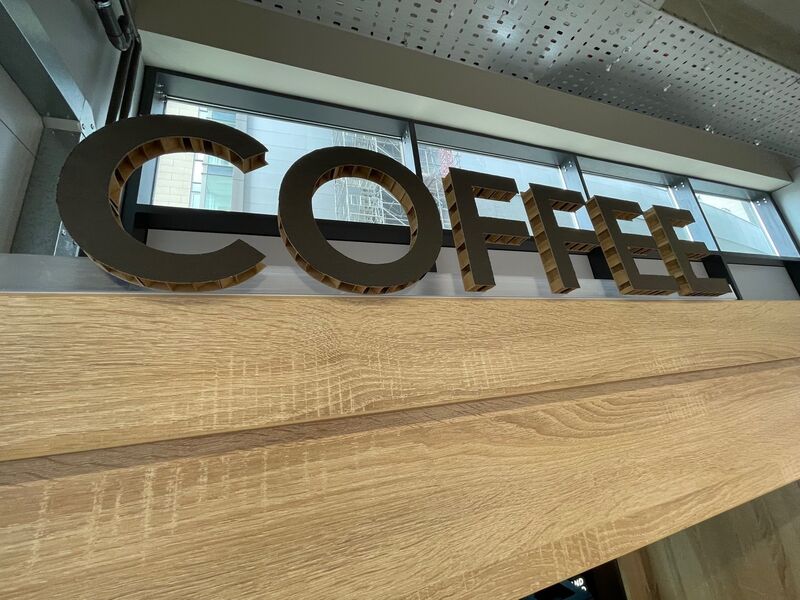
A great example of a project we recently worked on that embraced this experiential approach, is the new Food Hub concept in Asda stores. We had the pleasure of installing the signage for this new concession space, in which customers can now purchase pizza, coffee, and other grab-and-go products. By also implementing fast-food style touch screen tablets, this makes for not only a quick and efficient service but also provides a new and exciting way to browse and buy in-store.
Sustainability
A huge buzzword in any industry, sustainability is just as prevalent in the FMCG sector. According to research, one in five shoppers say they have acquired more sustainable habits since the pandemic began. With this increased demand for socially responsible products and practices, recent FMCG initiatives have put a critical focus on sustainable labelling, sustainable sourcing, and even renewable energy.
Astley was beyond proud to embrace renewable energy as a result of the onboarding of a fantastic new client – Central England Co-op UK. Earlier this year, we were so excited to have installed the first solar-powered totem of Central Co-op’s estate in Streethay. Solar-powered totems represent not only a forward-thinking approach to sustainability, but also offer a practical and cost-efficient solution that remains visually appealing.
The totem, with its subtle and sleek design, allowed for the solar panels to blend seamlessly into the structure – so much so, you can hardly tell it’s solar-powered!
And so…
The post-covid landscape has brought with it changes in consumer preferences and market trends, changing what people buy to how they buy it and where from. With the rise of e-commerce especially, this has called for industries like the FMCG sector to react and adapt to these changes.
From concessions and experiential environments to the topic of sustainability, signage has an important role in all of these. By enticing people into store, immersing them into an environment, and telling a visual story about a brand, signage has proven to be pivotal in responding to ever-changing trends. Now, we look forward to seeing what 2024 will bring..