Three quotes come back. One is noticeably lower than the other two.
Most people read that as a discount or a great deal. But the risk is what’s been potentially left out.
Our pricing sits where most established signage manufacturers sit. The difference is what the number covers, and the difference usually shows up eighteen months later.
A totem is not a sign. It is a structure that needs to perform safely in the real world.
This is the part some only discover afterwards.
A freestanding totem is load-bearing structural metalwork, fabricated and bolted into the ground, so the steelwork must carry conformity marking, UKCA or CE, both accepted here, and arrive with a Declaration of Performance. Not as a premium option but as a legal requirement, because fabricated structural steel is classed as safety critical.
Which means the question is not whether your totem is well made. It is whether it is compliant.
Plenty of quotes in this market are for a metal box with graphics on it. That is a different product, sold under the same word.
What is removed from a quote to make it appear ‘cheaper’?
There are only a few places to amend a quotation for a totem, and they are often the same ones.
Some quotations may be based on ‘surveys’ that simply take dimensions from a drawing rather than evaluating the ground directly. The risk with this is that underground services are sometimes discovered only by hitting them. Only by visiting the location in person and carefully evaluating existing foundations or using CAT & Genny can our teams fully plan for successful installation. Site surveys also capture access available so that our teams arrive prepared.
A totem on an exposed coastal forecourt and one in a sheltered retail park can look identical, but need completely different engineering. Wind loading is calculated per location under Eurocode 1. Skip it and you are relying on a fabricator’s instinct rather than proven safety data.
Our in-house technical team produce detailed drawings based on structural calculations. These calculations consider the specific environmental conditions at each installation location to ensure that the totem structure is designed to withstand the loads and forces it will be subjected to.
The steelwork itself
This is the factor you cannot see. Ask a fabricator where a saving can be found and the honest answer is probably the steel. A lighter gauge, a lower grade, a section thinner than the wind loading calls for. We build to S355 structural steel, the grade rated to carry the load, at execution class EXC2, to BS EN 1090. A quote that will not tell you what it builds to may be telling you something.
Our quotations will only be based on the most appropriate grade and steel specification to deliver a safe end product.
The groundworks specification
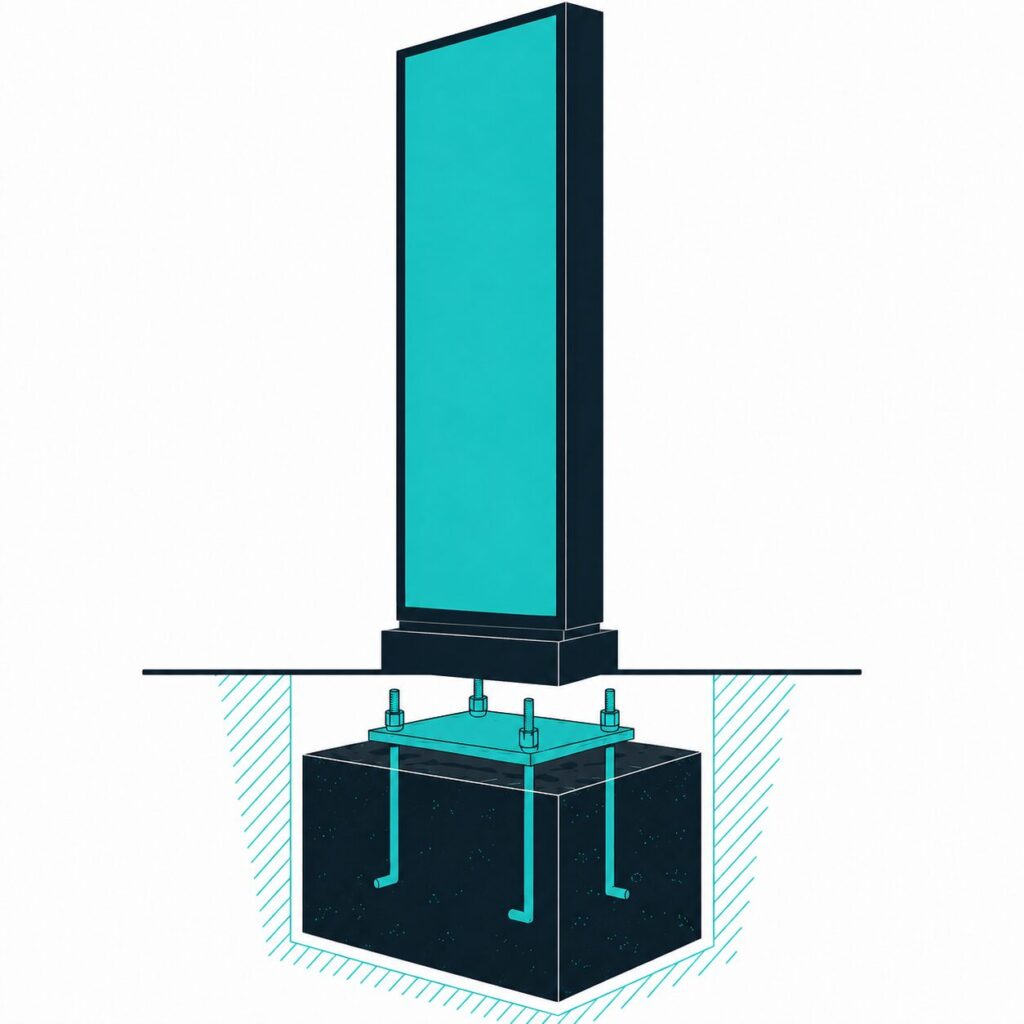
The foundation is invisible, which makes it an easy thing to underspecify but the most expensive thing to correct. Each totem requires a properly engineered base to hold it’s weight and to withstand environmental factors – it should not be a matter of guesswork.
The lift plan
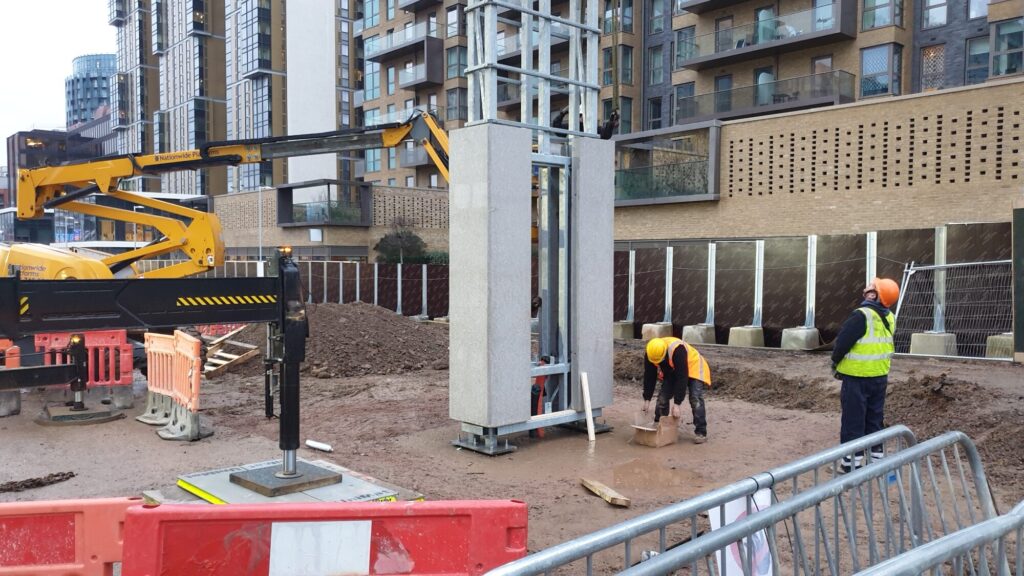
This is legally required for the installation of any totem and should be prepared by a qualified Appointed Person. This should not be an ‘add on’ or optional but can be frequently absent from a quote.
The paper trail
Material traceability records, welder qualifications, welding procedures and, where applicable, a Declaration of Performance (DoP) are examples of documentation used to demonstrate compliance and conformity with BS EN 1090. BS EN 1090 sets out the requirements for the execution of structural steelwork and is relevant to the fabrication of structural steel components such as totems.
Manufacturers certified to the relevant requirements of BS EN 1090 such as Astley are subject to independent assessment and ongoing auditing.This provides assurance that their manufacturing processes, quality management systems and production controls are subject to assessment against the requirements of the standard, supporting the consistent manufacture of compliant structural steelwork.
What’s missing from a quote can cost later
The totem that develops a lean through its first winter, quietly telling every passing customer something about the brand it carries will then need excavating, redesigning and reinstalling.
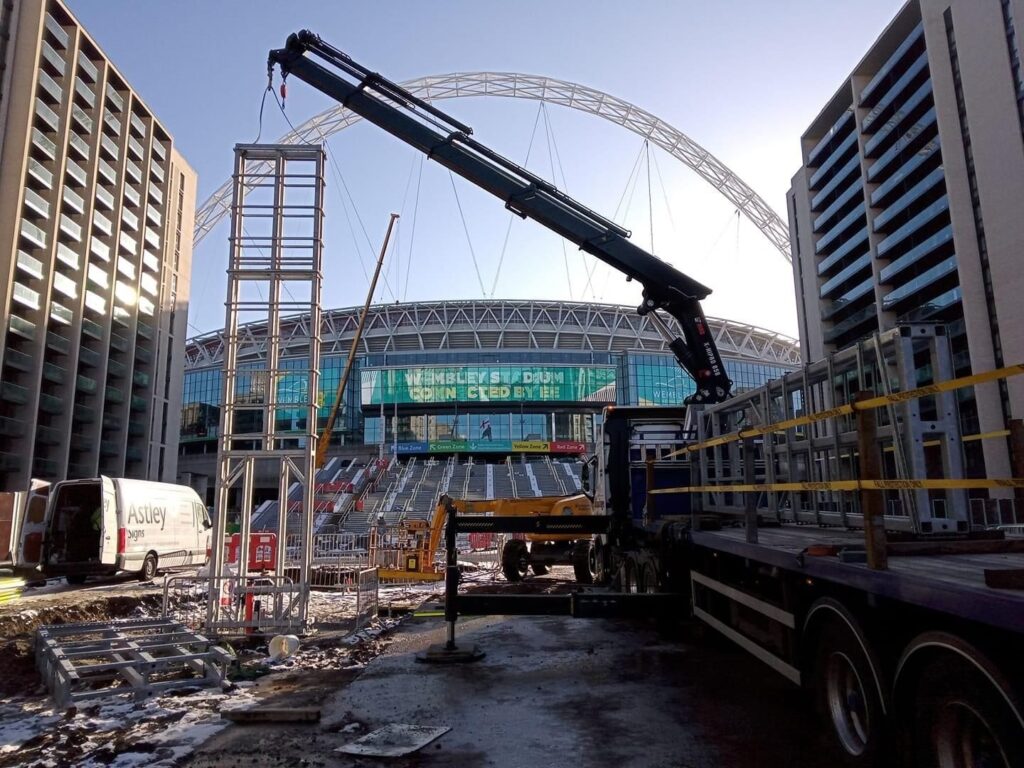
An installation may be unable to proceed if the lifting operation has not been adequately planned for due to insufficient survey information. This can result in additional costs, including crane hire, traffic management and paying for site personnel, while the installation team is unable to carry out the planned work.
Following a structural failure, particularly where high winds are a contributing factor, the availability of supporting documentation may prove critical. Structural calculations and where applicable, the Declaration of Performance (DoP), may be required to demonstrate that the structure was designed, manufactured and supplied in accordance with the applicable requirements. If this documentation is unavailable, it may be more difficult to establish compliance and conformity and could create additional complications when assessing liability and insurance claims.
If a structure requires replacement significantly earlier than its intended service life, the associated costs can be substantial. These may include the replacement structure, additional groundworks, installation and associated site costs, as well as disruption to normal operations while the replacement works are undertaken.
The initial saving was real but it was just a loan.
Five questions for any supplier, including us:
Do not take our word for any of this. Ask:
Are you BS EN 1090 accredited, and can I see the certificate? It is a specific accreditation with a certificate number, audited by an approved body. Either they have it or they do not.
Is the fabrication done in your own facility? Subcontracted fabrication is not automatically a problem but not knowing who did may be.
Who does the structural calculation for my site, and will I get a copy? The solution should involve a structural engineer and a document you keep to evidence compliance.
Can we see a copy of the lift plan before installation; with assurance it was created by an Appointed Person? If this question causes a pause, that is the answer.
What happens if it needs rebranding in five years? A totem clad in aluminium panels can often be re-skinned rather than replaced. Where the underlying structure or construction does not allow for re-skinning, its practical lifespan may be shorter than originally anticipated.
Any experienced manufacturer can answer all five questions in a single email.
The honest version of the wind question
We get asked whether our totems will stay up in a storm. Our answer simply is that if totems are correctly engineered, sites are adequately surveyed, and totems are manufactured in accordance with BS EN 1090 standard then they should.
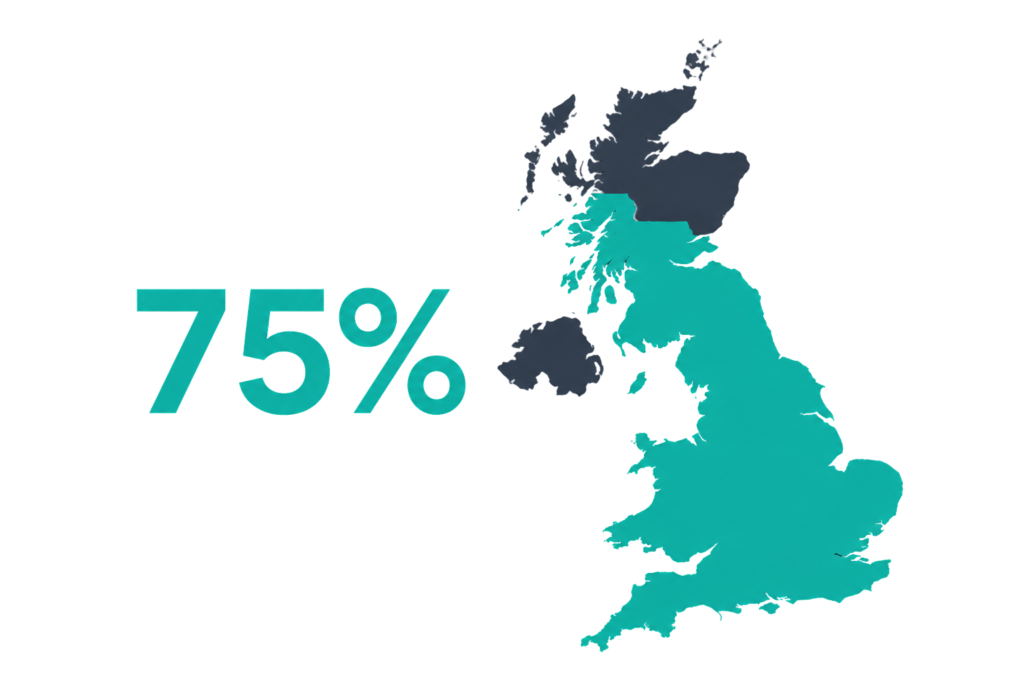
Our teams start from a standard design, assessed by independent structural engineers, that answers wind resistance across 75% of the UK mainland. From there, we survey the site, calculate the wind loading for that specific location, check it against the design, and engineer up wherever the number demands more. Then we fabricate to BS EN 1090 in our own facility in Gateshead. Put the same brief on an exposed Northumberland coast forecourt and a sheltered inner-city courtyard and you will get two different builds.
And that process is ultimately what you are paying for, and can be the entire reason the cheaper quote is cheaper.
Astley have manufactured BS EN 1090 compliant totems and monolith signs across the UK for over 30 years, every one built under our own roof. If you have quotes in front of you and want a second opinion on what they include, send them over. We will tell you straight, even if the answer is that the other one is fine.
As the financial year draws to a close for most UK businesses, attention will naturally turn to planning for the next. Capital expenditure is reviewed, priorities are reassessed, and investment decisions begin shaping the next 12 months.
For many organisations managing multiple locations, this process focuses heavily on operational upgrades, expansion plans, or technology investment. Yet one critical area is often reviewed too late – the physical brand across the estate.
Typical signage failures include:
Water ingress
UV fading and colour deterioration
Wind damage
Corrosion at fixings
Branding is rarely considered a financial risk…until it becomes one!
A failed sign, an inconsistent customer experience, or an unexpected replacement programme can quickly turn into unplanned spend. The end of the financial year offers a valuable opportunity to step back and ask a more strategic question: is your brand estate performing as an asset, or quietly becoming a liability?
Why does this matter more now?
Footfall patterns across the UK have changed significantly over recent years. Physical locations are not disappearing, but they are becoming more selective destinations. Customers are making fewer trips, choosing environments that feel current, easy to navigate, and aligned with expectations of quality and trust.
Some sectors and locations have seen encouraging increases in visitor numbers, particularly where sites combine convenience, experience, and strong environmental presentation.
Retail parks, leisure-led destinations, and well-invested high streets have demonstrated that people still value physical spaces…when those spaces give them a reason to visit.
In this environment, the physical expression of a brand plays a larger role than many organisations realise. A well-maintained, consistent estate signals confidence and relevance. A tired or inconsistent one can quietly erode perception long before performance metrics highlight a problem.
Did your brand perform for you this year?
Financial planning often focuses on future projects, but year-end is also the right moment for reflection.
Before allocating next year’s CapEx budget, it is worth asking a few honest questions:
Did our brand actively support customer engagement this year, or simply exist in the background?
Which locations performed strongest — and what did customers experience when they arrived?
Are some sites underperforming because the environment feels outdated or inconsistent?
Do customers encounter one clear brand, or multiple variations across different locations?
Are we planning investment strategically, or preparing to react to failures we already suspect are coming?
These questions move branding away from aesthetics and into operational performance.
The HIDDEN COST of DEFERRED maintenance
Across large property estates, branding assets often follow a familiar lifecycle: install, operate, ignore, then urgently replace.Maintaining your estate signage can help protect against unexpected costs due to failure
Illumination failures, structural wear, weather damage, outdated messaging, or legacy branding left behind after refurbishments rarely appear suddenly. They develop gradually, often unnoticed until they demand immediate attention.
…investment becomes reactive rather than planned. Budgets intended for improvement are redirected toward problem-solving. Timelines shorten. Costs rise. Internal pressure increases.
Preventative maintenance changes this dynamic. Regular assessment allows organisations to forecast replacement cycles, prioritise risk, and align spending with long-term strategy rather than short-term disruption.
In financial terms, it replaces surprise expenditure with controlled investment.
Maintaining your estate signage can help protect against unexpected costs due to failure
Recent performance trends suggest that successful physical destinations share a common characteristic: intentional environments.
Customers increasingly choose where they go based on ease, clarity, and experience. Locations that feel modern, well cared for, and visually coherent communicate reliability before a customer even walks through the door.
Branding contributes directly to this perception. Clear wayfinding reduces friction. Well-maintained signage reinforces trust. Consistent brand presentation across locations builds familiarity and confidence.
The difference is often subtle, but cumulative. When competitors invest thoughtfully in their environments, standing still can gradually become a competitive disadvantage.
Spending wisely, not simply spending more
The coming financial year will likely continue to demand careful investment decisions. Rising operational costs mean organisations are scrutinising CapEx more closely than ever, expecting each project to deliver measurable value. This does not necessarily mean spending more on branding. It means spending more intelligently.
A structured estate review can help organisations move from reactive upgrades to strategic planning:
Audit the current estate for condition, compliance, and consistency.
Identify risk areas where failure or deterioration may create future disruption.
Forecast lifecycle replacement rather than emergency repair.
Align investment with broader brand and operational objectives.
Approached this way, branding investment becomes part of asset management rather than an isolated marketing expense.
Choosing the right partner
Managing branding across an estate is rarely a single project. It involves technical understanding, operational awareness, compliance considerations, and long-term planning.
Because when branding is treated as an operational asset rather than a reactive expense, careful planning prevents costly surprises – and choosing the right partner becomes a critical part of protecting that investment.
Astley is considered one of the leading signage and brand maintenance partners in the UK, offering dedicated 24/7 responses and proactive and reactive maintenance packages. If you’re interesting in understanding more about how we can help you get the best ROI from your Capex this year, email enquiries@astley-uk.com or visit our website page.
In 2026, one of the biggest pressures on signage and brand-implementation teams isn’t design or manufacture. It’s coordination. It’s the admin and risk created between suppliers.
Because the more partners a project touches, the more handovers you inherit and the more problems hide in the gaps.
Before anything is made… timelines are already tight
Even before fabrication starts, approvals can shape everything.
In England, major planning decisions are meant to be determined within 13 weeks, but government data shows that in July–September 2025, only 19% of major applications were decided within the statutory 13 weeks (even though 90% were decided within 13 weeks or an agreed extended timeframe).
13 weeks is the target – but extensions are the norm. Only 19% of major applications hit the original deadline, with most decisions relying on agreed time extensions.
In other words: extensions are common, and programmes often need to plan for uncertainty. And it isn’t just anecdotal – recent reporting has highlighted how widely “time extensions” (performance agreements) are used across councils.
So if your rollout plan depends on “everything going to schedule”… you’re already exposed.
Where projects become hard to manage
Most signage projects don’t go wrong because people don’t care. They go wrong because delivery becomes fragmented and stretched across multiple supply partners:
one supplier surveys
another produces artwork/drawings
another advises on planning
another fabricates
another installs
another resolves snags
And each step increases the chance of rework. And with each rework comes additional cost!
70% of projects exceeded budgets, with average overruns of 18%.
Do this next time:
If you’re about to kick off a refresh or rebrand across an estate, here are 3 simple actions that reduce risk fast:
Spot the “rework hotspots” (where decisions are often reversed late-stage)
Assign one owner for delivery so quality, timelines and accountability don’t split across multiple suppliers
One partner. One point of contact. One vision.
As a concept-to-completion branding partner, Astley’s aim is simple: remove the coordination headache by delivering critical services in-house — from early-stage surveys and design support through to manufacture and installation.
Including us at the outset of any project means we can potentially save costs, unnecessary extensions and mitigate potential risk by:
Reduce risk
Early consultancy and surveying to prepare sites properly (including practical considerations like access + power locations)
When teams reduce supplier handovers, three things tend to improve quickly:
Better decisions earlier – planning considerations, structural requirements and access constraints get factored in before the job is “locked.”
Stronger quality control throughout – instead of checking quality at the end, it gets controlled at each stage.
Less follow-up fatigue – one route for answers means fewer emails, fewer chasers, and fewer “it wasn’t us.”
If you’re about to start a rollout, here’s a simple question worth asking internally:
“How many handovers are we creating – and which ones are creating rework?”
Because even reducing one major handover can cut days (sometimes weeks) of project management effort – and reduce the unplanned costs that come from revisions, returns and remedials.
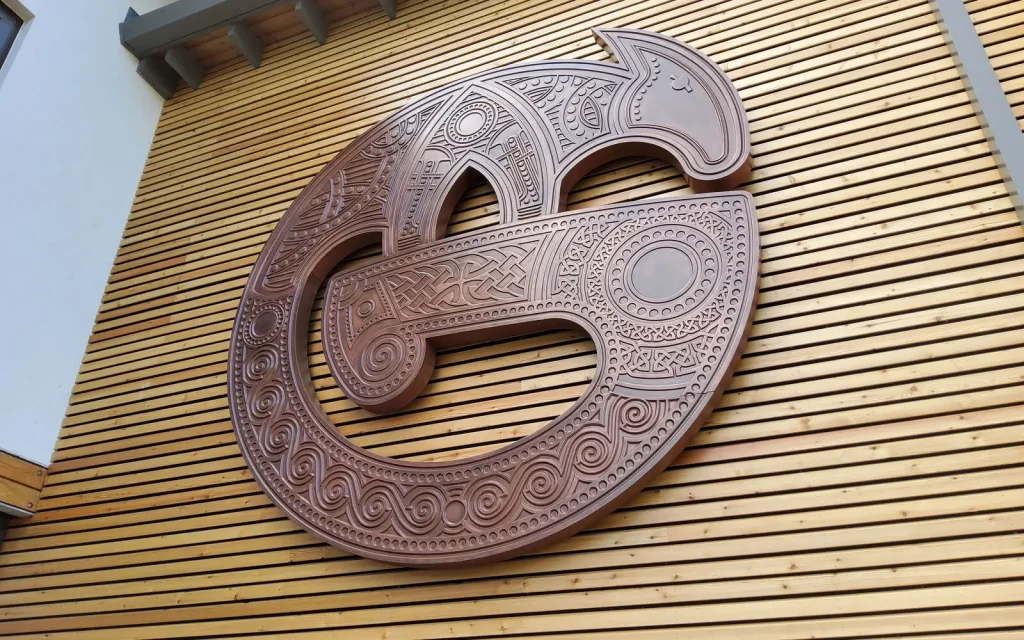
The Architectural award, as well as the Best in Show award, celebrated our work on the Ad Gefrin Distillery project which wowed the judges with its use of natural materials and its complex craftsmanship. This project included the production of a variety of interior, exterior, and wayfinding signage products that complimented the architecture and reflected the history of the venue.
The judges loved the way that we shared all of the processes of the project, including the stages that went into the production of the Ad Gefrin roundel. From CNC routing to copper spraying, this focal piece went through several processes to make it into the impressive emblem that it is now.
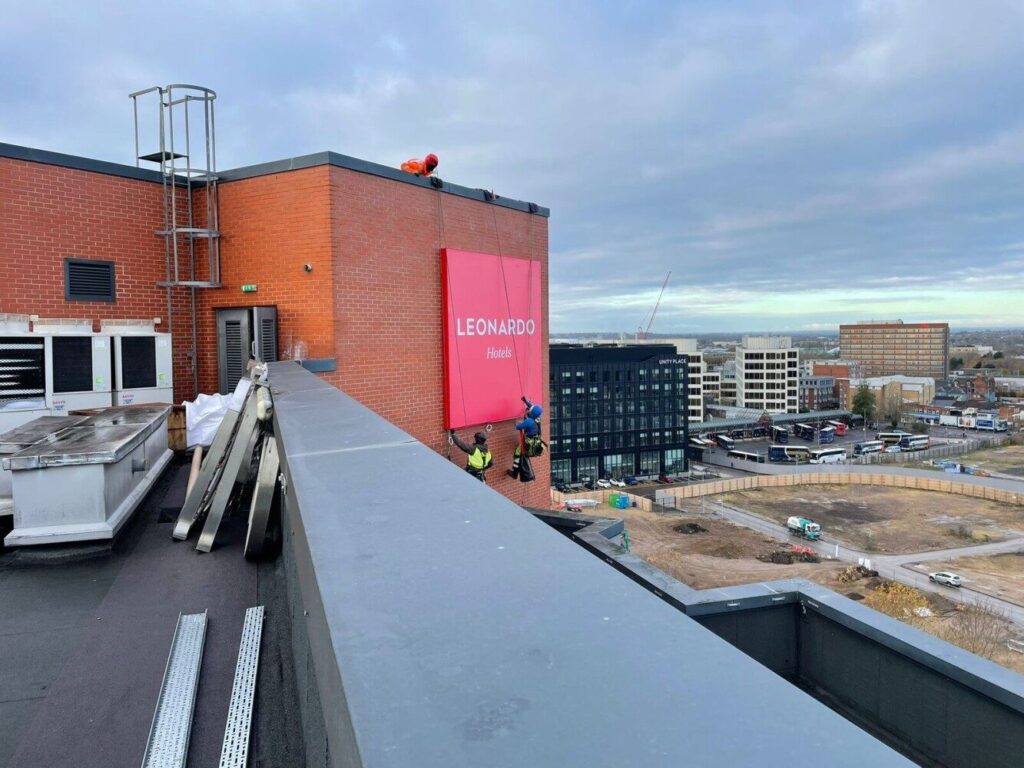
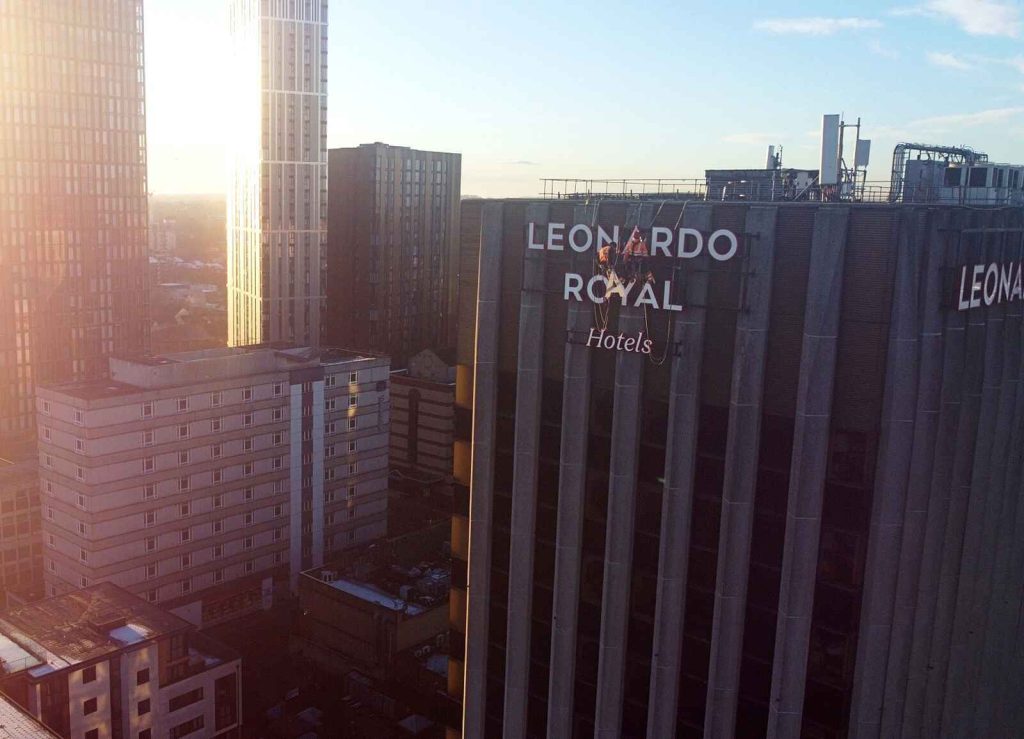
Our work on the rebrand of Jury’s Inn Hotels to Leonardo Hotels was also celebrated, earning a gold award in the rollout category. This extensive programme demonstrated our high-level knowledge of planning and logistical support, having overseen the transformation of 32 hotels across the UK.
The judges noted our attention to detail and the way they had gone above and beyond to deliver the project successfully – even producing a bespoke sample wall to show the client how the signs would look when complete.
Well done
A huge ‘well done’ to all the other winners and finalists and a huge thank you to the organisers at Sign & Wrap Awards for a fantastic night.
Most importantly, a huge thank you to #teamastley for all of their hard work and talent – it is thoroughly deserved and we are so proud!