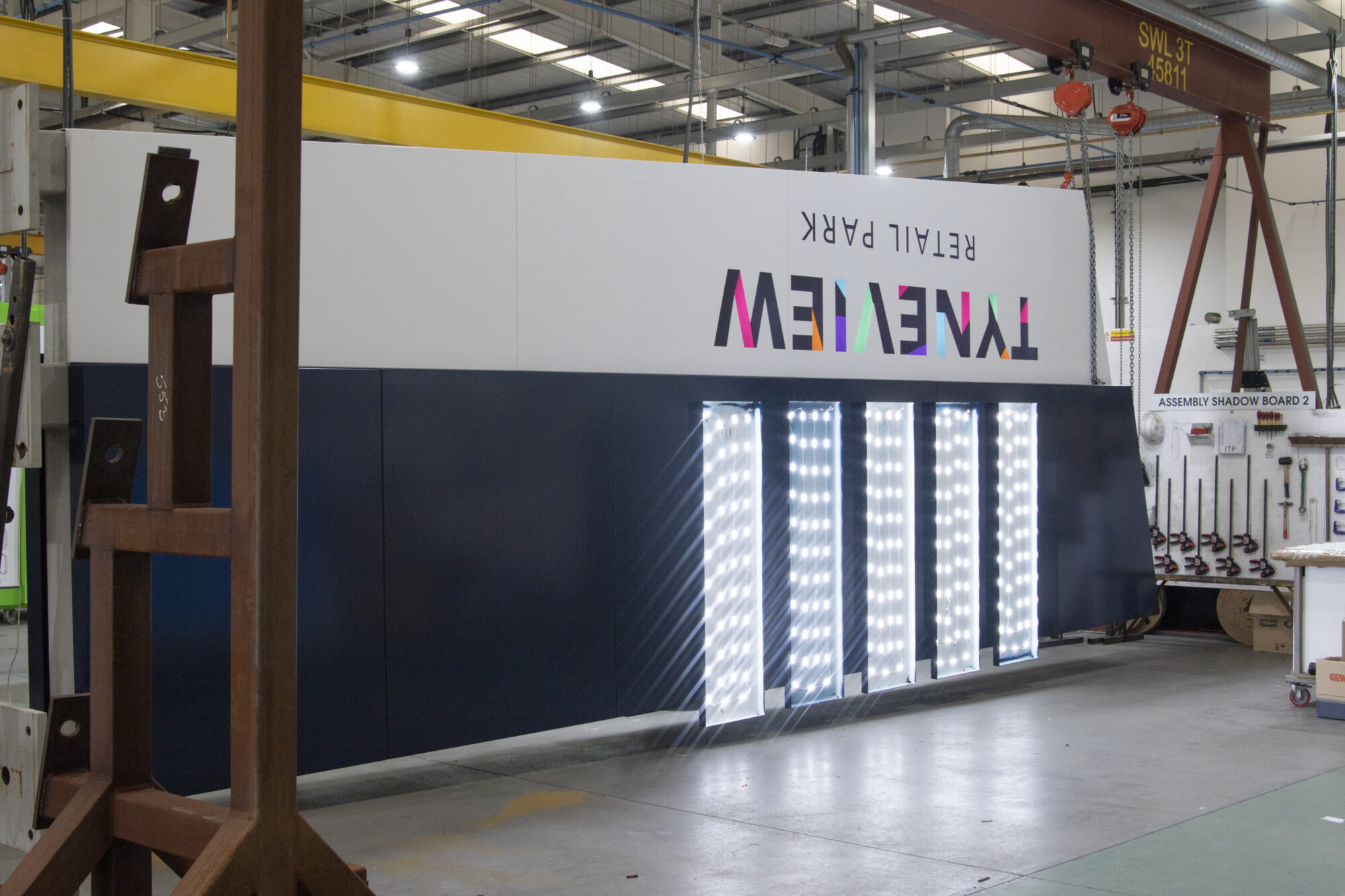

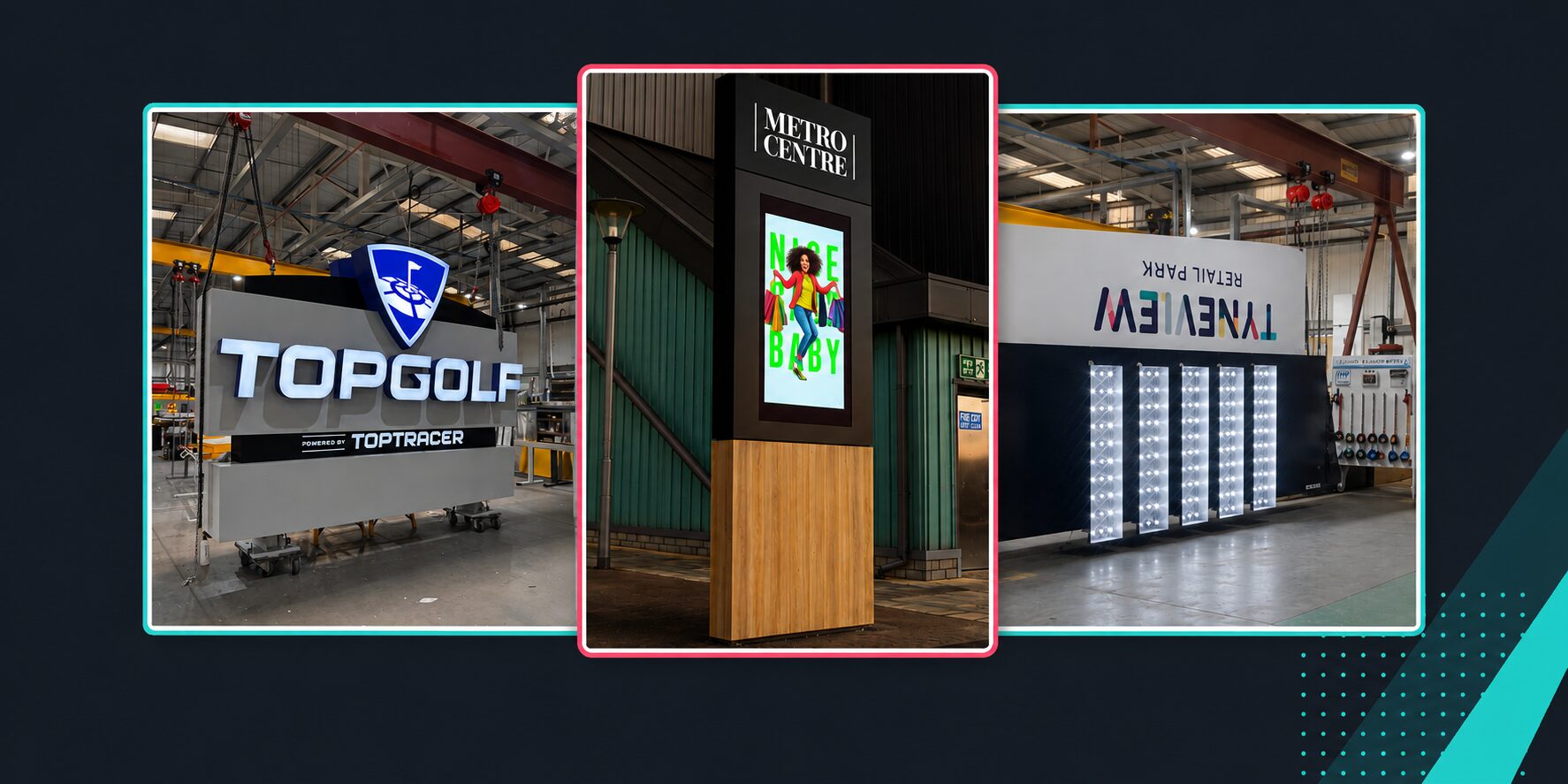
Three quotes come back. One is noticeably lower than the other two. Most people read that as a discount or…
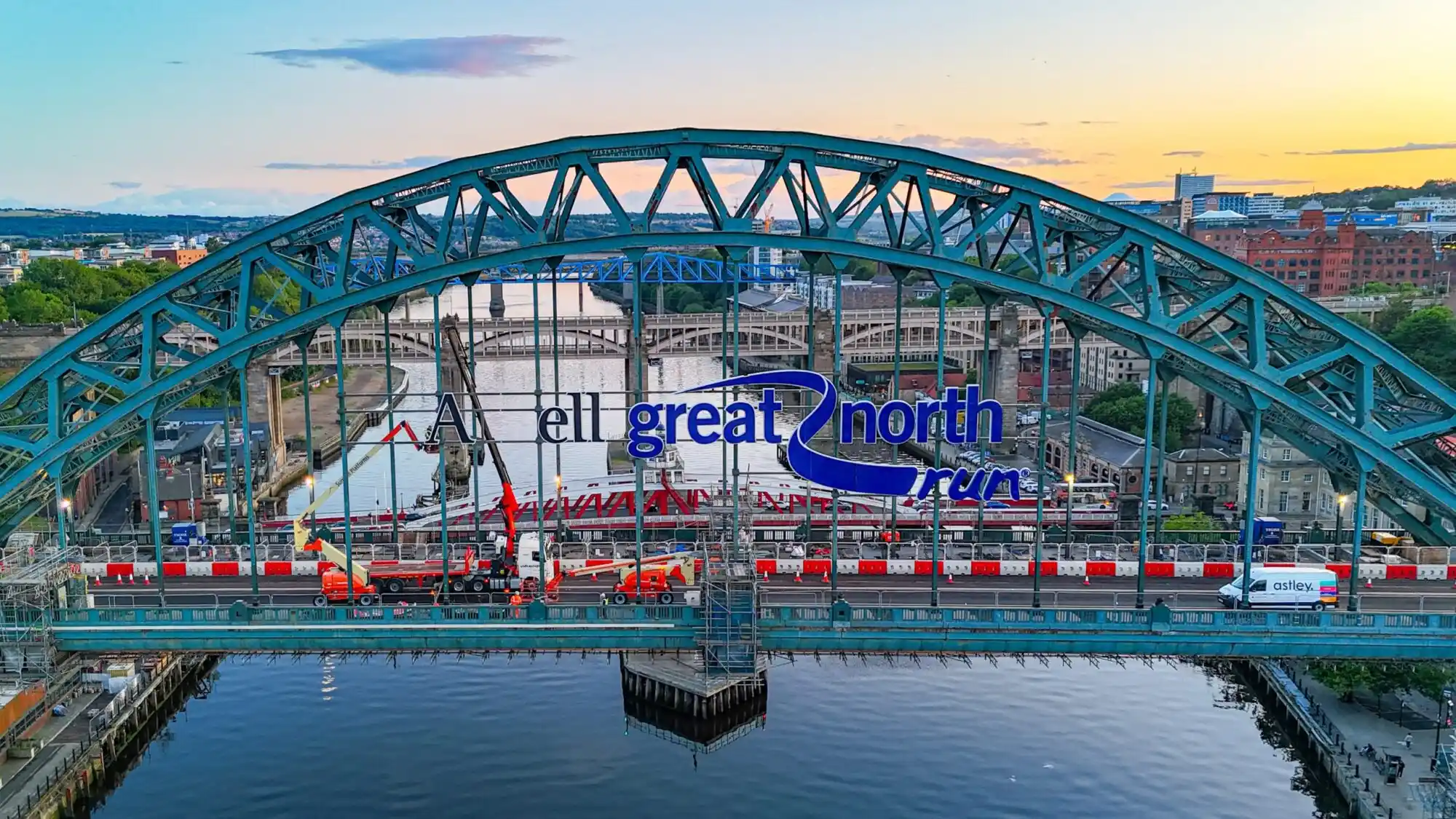
The Great North Run sign is now finished for another year and our teams are already planning the removal of the iconic sign from the Tyne Bridge. Behind the spectacle lies something far more critical however: structural responsibility and legal compliance.
BS EN 1090: not just a standard – a legal requirement
BS EN 1090 is the mandatory standard for any steel or aluminium load-bearing structures. Yet, a lot of signmaking partners in the UK do not yet hold this certification. And working with one who doesn’t can expose brands to serious risks—from non-compliance fines and project delays to safety failures and reputational harm.
Sign types that often fall under this regulation include:
- Large-format building signage
- High-level fascias
- Totems and monoliths
- Forecourt signage
- Wayfinding structures
- Branded installations in public spaces
Essentially, if a sign supports its own weight and could pose a safety risk if it fails — it likely requires BS EN 1090 compliance.
Legal scrutiny is increasing
The UK government is stepping up enforcement. Through Trading Standards and the Office for Product Safety and Standards (OPSS), checks on structural signage are intensifying under the UK Construction Products Regulation and the Building Safety Act.
Failure to comply can lead to:
- Fines of up to £5,000 per offence
- Prosecution of company directors
- Forced removal of non-compliant signage
- Disqualification from public tenders or framework agreements
In the next. 12–24 months, with more high-profile incidents bringing safety to the forefront, inspections and penalties are expected to increase.
ESG in practice: why governance and HSQE matter
Good governance — the “G” in ESG — is about ensuring the partners you choose are not just creative and cost-effective, but legally accountable and process-driven.
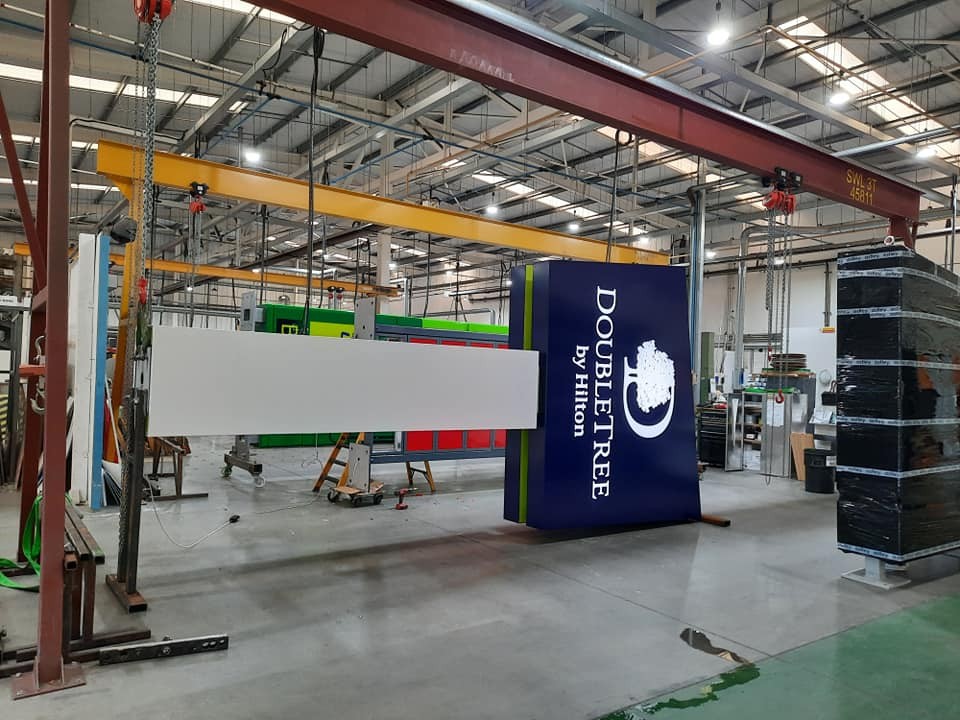
At Astley, we’ve invested heavily in HSQE systems to maintain our BS EN 1090 certification. Our design, fabrication, and installation workflows are all audited, compliant, and fully documented. This means:
- Safer outcomes
- Fewer project delays
- Full traceability from material to final install
Our fair pricing model reflects the value we offer: peace of mind, legal compliance, and long-term brand protection.
What does BS EN 1090 actually cover?
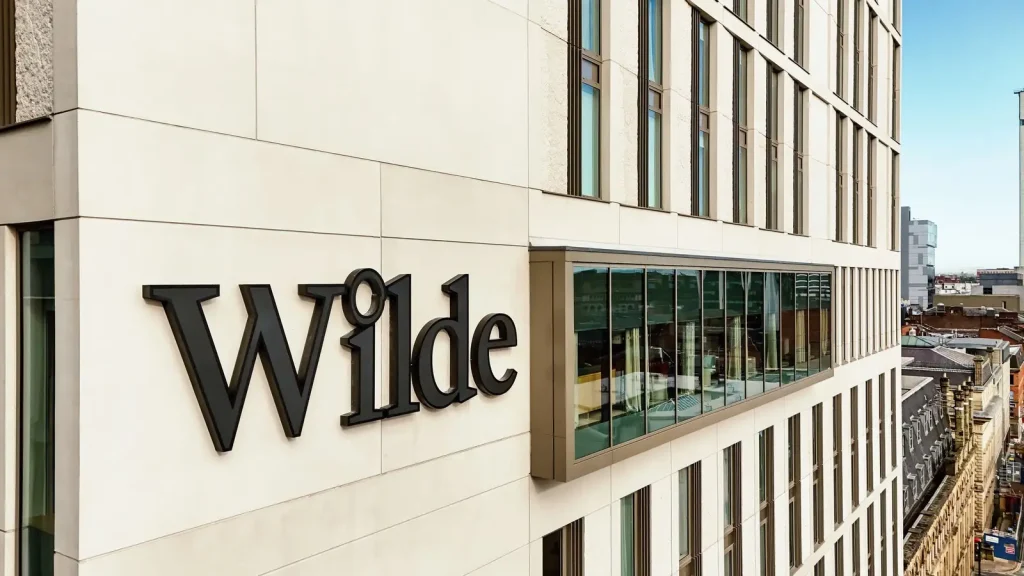
BS EN 1090 certification isn’t just about ticking a box at the end of a project — it governs every stage of structural signage creation, ensuring that what’s installed is legally compliant, structurally sound, and safe for public spaces.
Here’s how it applies to key stages of design and manufacture:
Structural calculations & design
- Load-bearing signage (like building fascias, totems, and freestanding monoliths) must be designed with structural integrity in mind, factoring in wind loading, snow loading, dynamic forces, and long-term stress.
- Calculations must be performed or verified by qualified personnel, often with third-party structural engineer sign-off.
Material selection & traceability
- All steel or aluminium components must be sourced from approved suppliers and carry proper certification.
- Materials are logged and tracked through every stage of production, ensuring full traceability — critical if issues arise post-installation.
Fabrication & assembly
- Cutting, forming, drilling, and assembling of structural components must follow strict procedural controls.
- Fabrication workshops must be regularly audited to confirm adherence to Factory Production Control (FPC) protocols.
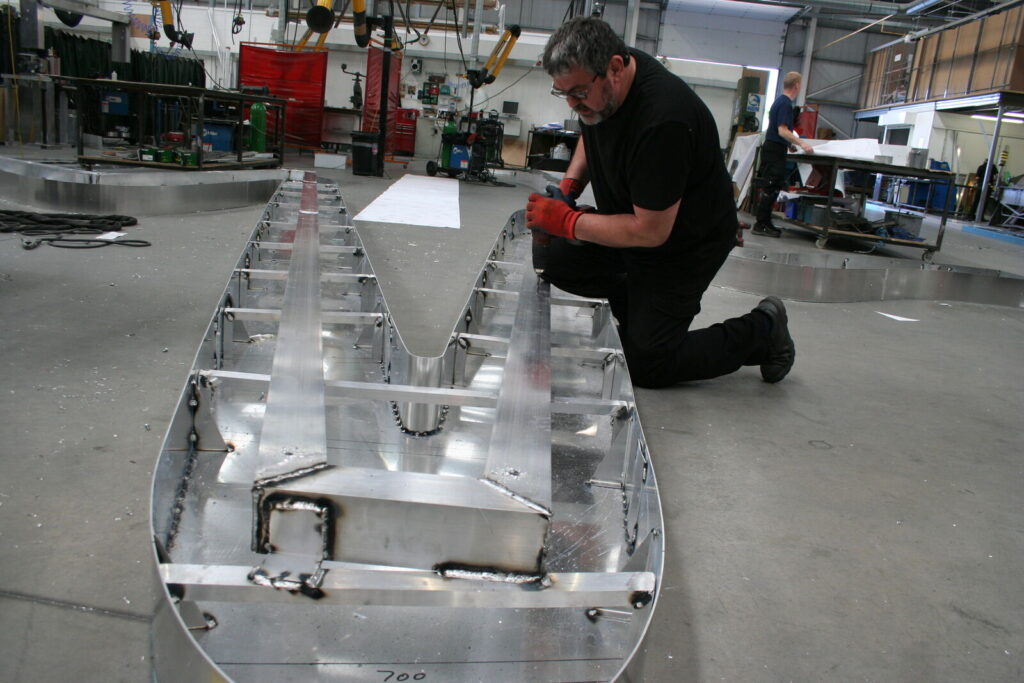
Welding
- One of the most heavily regulated areas. All welding activities must be carried out by qualified welders working to approved Welding Procedure Specifications (WPS).
- Weld quality is verified through inspection and testing to meet defined tolerances.
Inspection, Testing & Final Documentation
- A project can’t be signed off or CE marked unless compliance has evidenced through a documented compliance process
This holistic approach ensures signage doesn’t just look good — it performs safely, legally, and reliably under real-world conditions.
Designed for the real world
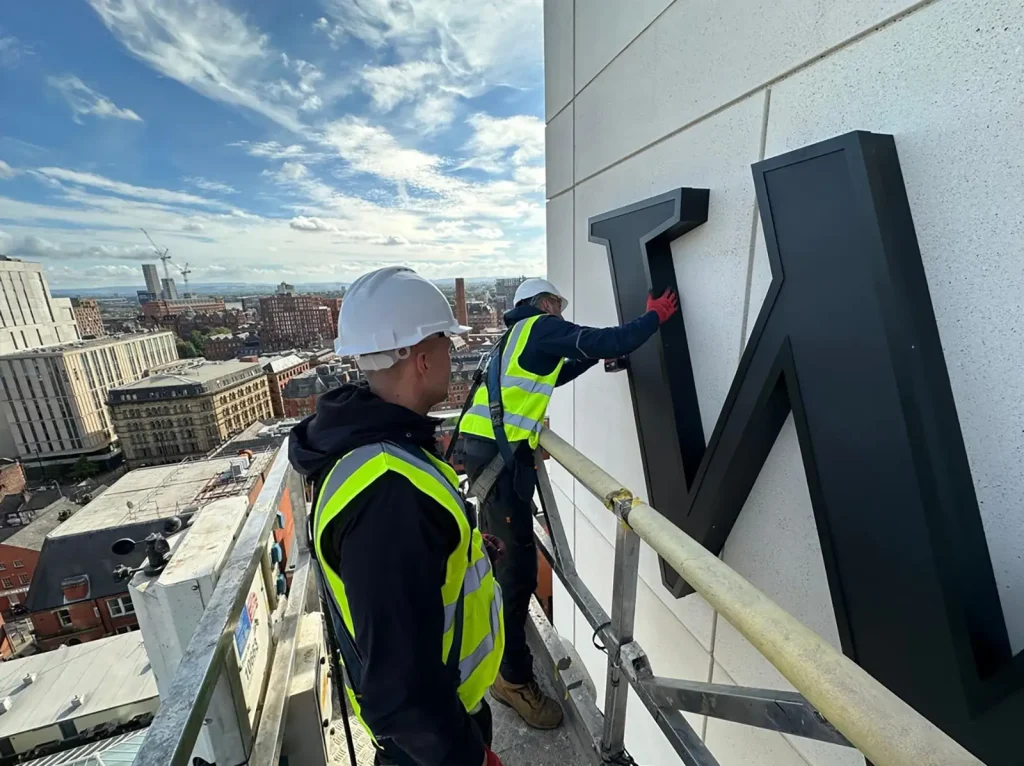
With increasingly severe and unpredictable UK weather, structural signage must now meet greater demands. From wind-loading to corrosion resistance, safety must be engineered in from the very start.
Whether it’s a bridge sign, a high-level fascia, or a retail park totem, if it’s not certified—it’s a risk.
Choose partners that protect your brand
The Tyne Bridge installation isn’t just a moment of pride for us — it’s a symbol of what responsible signage delivery looks like. Structural signage should never be a gamble.
If you’re working with large or load-bearing signage and your supplier can’t demonstrate BS EN 1090 certification, your project — and your brand — may be exposed.