
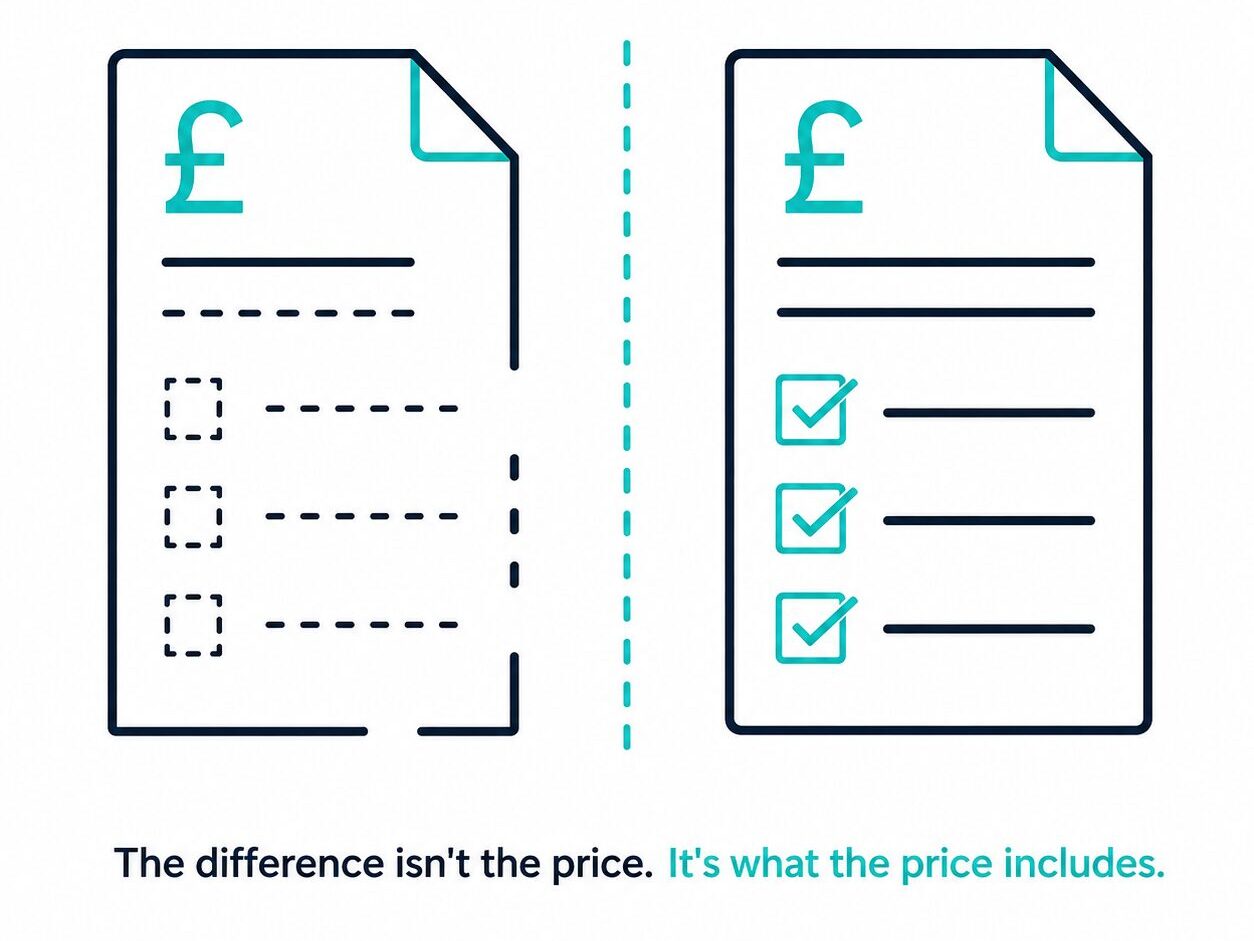
Three quotes come back. One is noticeably lower than the other two.
Most people read that as a discount or a great deal. But the risk is what’s been potentially left out.
Our pricing sits where most established signage manufacturers sit. The difference is what the number covers, and the difference usually shows up eighteen months later.
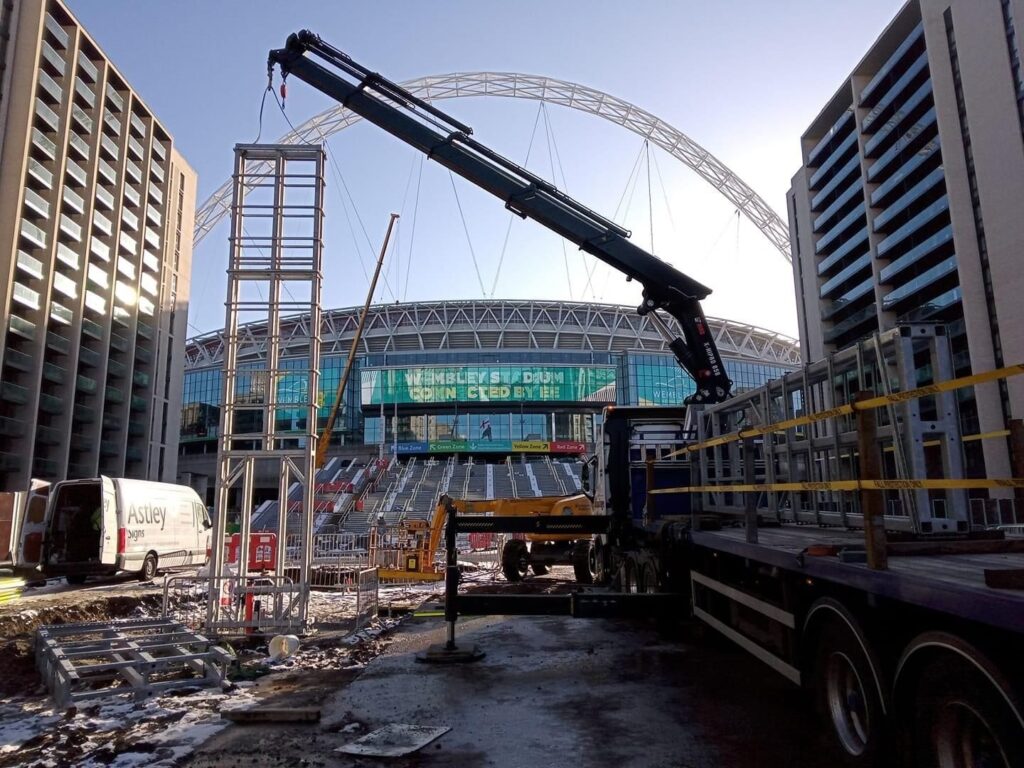
A totem is not a sign. It is a structure that needs to perform safely in the real world.
This is the part some only discover afterwards.
A freestanding totem is load-bearing structural metalwork, fabricated and bolted into the ground, so the steelwork must carry conformity marking, UKCA or CE, both accepted here, and arrive with a Declaration of Performance. Not as a premium option but as a legal requirement, because fabricated structural steel is classed as safety critical.
Which means the question is not whether your totem is well made. It is whether it is compliant.
Plenty of quotes in this market are for a metal box with graphics on it. That is a different product, sold under the same word.
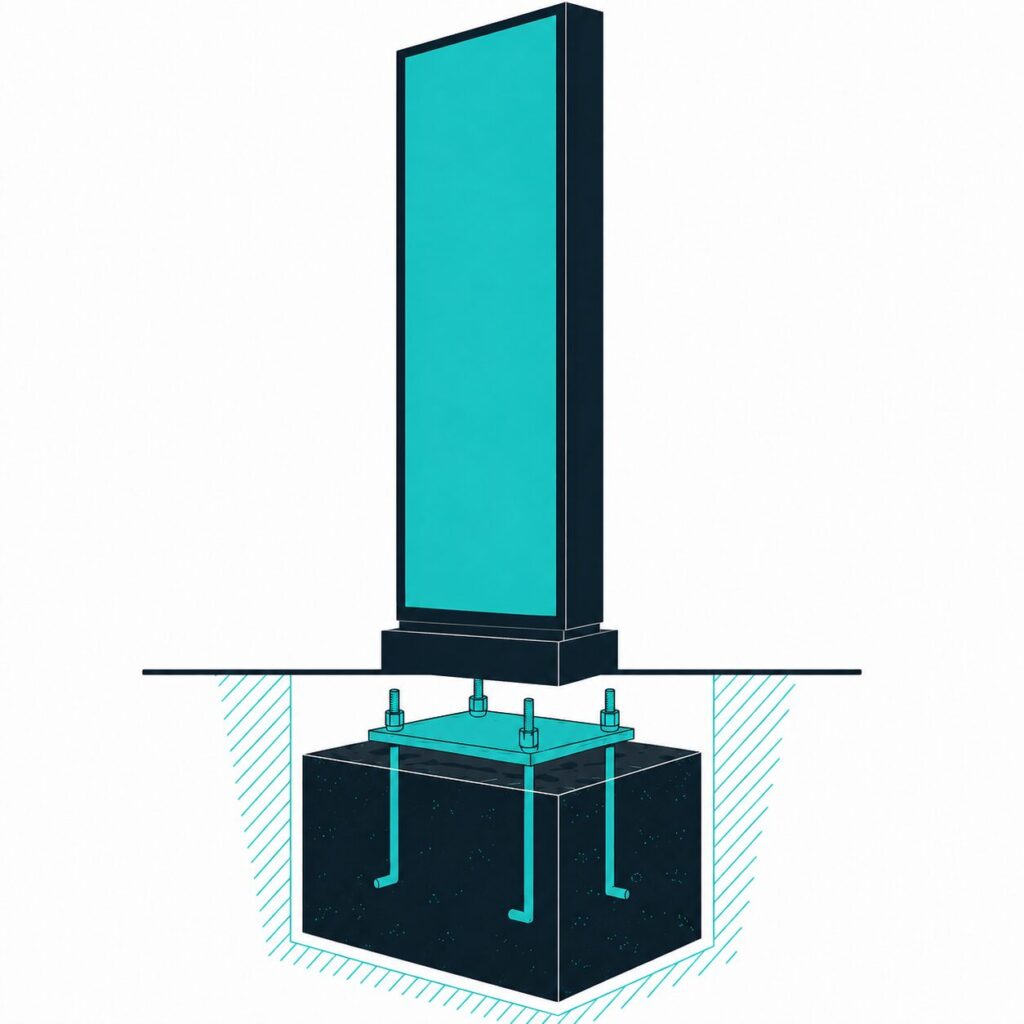
What is removed from a quote to make it appear ‘cheaper’?
There are only a few places to amend a quotation for a totem, and they are often the same ones.
The site survey
Some quotations may be based on ‘surveys’ that simply take dimensions from a drawing rather than evaluating the ground directly. The risk with this is that underground services are sometimes discovered only by hitting them. Only by visiting the location in person and carefully evaluating existing foundations or using CAT & Genny can our teams fully plan for successful installation. Site surveys also capture access available so that our teams arrive prepared.
The structural calculation
A totem on an exposed coastal forecourt and one in a sheltered retail park can look identical, but need completely different engineering. Wind loading is calculated per location under Eurocode 1. Skip it and you are relying on a fabricator’s instinct rather than proven safety data.
Our in-house technical team produce detailed drawings based on structural calculations. These calculations consider the specific environmental conditions at each installation location to ensure that the totem structure is designed to withstand the loads and forces it will be subjected to.
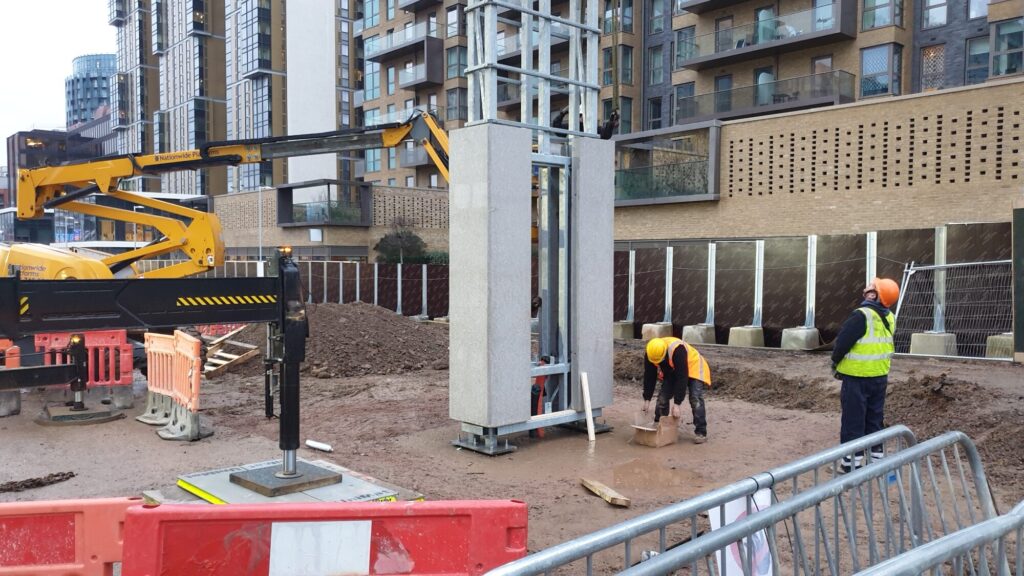
The steelwork itself
This is the factor you cannot see. Ask a fabricator where a saving can be found and the honest answer is probably the steel. A lighter gauge, a lower grade, a section thinner than the wind loading calls for. We build to S355 structural steel, the grade rated to carry the load, at execution class EXC2, to BS EN 1090. A quote that will not tell you what it builds to may be telling you something.
Our quotations will only be based on the most appropriate grade and steel specification to deliver a safe end product.
The groundworks specification
The foundation is invisible, which makes it an easy thing to underspecify but the most expensive thing to correct. Each totem requires a properly engineered base to hold it’s weight and to withstand environmental factors – it should not be a matter of guesswork.
The lift plan
This is legally required for the installation of any totem and should be prepared by a qualified Appointed Person. This should not be an ‘add on’ or optional but can be frequently absent from a quote.
The paper trail
Material traceability records, welder qualifications, welding procedures and, where applicable, a Declaration of Performance (DoP) are examples of documentation used to demonstrate compliance and conformity with BS EN 1090. BS EN 1090 sets out the requirements for the execution of structural steelwork and is relevant to the fabrication of structural steel components such as totems.
Manufacturers certified to the relevant requirements of BS EN 1090 such as Astley are subject to independent assessment and ongoing auditing.This provides assurance that their manufacturing processes, quality management systems and production controls are subject to assessment against the requirements of the standard, supporting the consistent manufacture of compliant structural steelwork.
What’s missing from a quote can cost later
The totem that develops a lean through its first winter, quietly telling every passing customer something about the brand it carries will then need excavating, redesigning and reinstalling.
An installation may be unable to proceed if the lifting operation has not been adequately planned for due to insufficient survey information. This can result in additional costs, including crane hire, traffic management and paying for site personnel, while the installation team is unable to carry out the planned work.
Following a structural failure, particularly where high winds are a contributing factor, the availability of supporting documentation may prove critical. Structural calculations and where applicable, the Declaration of Performance (DoP), may be required to demonstrate that the structure was designed, manufactured and supplied in accordance with the applicable requirements. If this documentation is unavailable, it may be more difficult to establish compliance and conformity and could create additional complications when assessing liability and insurance claims.
If a structure requires replacement significantly earlier than its intended service life, the associated costs can be substantial. These may include the replacement structure, additional groundworks, installation and associated site costs, as well as disruption to normal operations while the replacement works are undertaken.
The initial saving was real but it was just a loan.

Five questions for any supplier, including us:
Do not take our word for any of this. Ask:
- Are you BS EN 1090 accredited, and can I see the certificate? It is a specific accreditation with a certificate number, audited by an approved body. Either they have it or they do not.
- Is the fabrication done in your own facility? Subcontracted fabrication is not automatically a problem but not knowing who did may be.
- Who does the structural calculation for my site, and will I get a copy? The solution should involve a structural engineer and a document you keep to evidence compliance.
- Can we see a copy of the lift plan before installation; with assurance it was created by an Appointed Person? If this question causes a pause, that is the answer.
- What happens if it needs rebranding in five years? A totem clad in aluminium panels can often be re-skinned rather than replaced. Where the underlying structure or construction does not allow for re-skinning, its practical lifespan may be shorter than originally anticipated.
Any experienced manufacturer can answer all five questions in a single email.
The honest version of the wind question
We get asked whether our totems will stay up in a storm. Our answer simply is that if totems are correctly engineered, sites are adequately surveyed, and totems are manufactured in accordance with BS EN 1090 standard then they should.
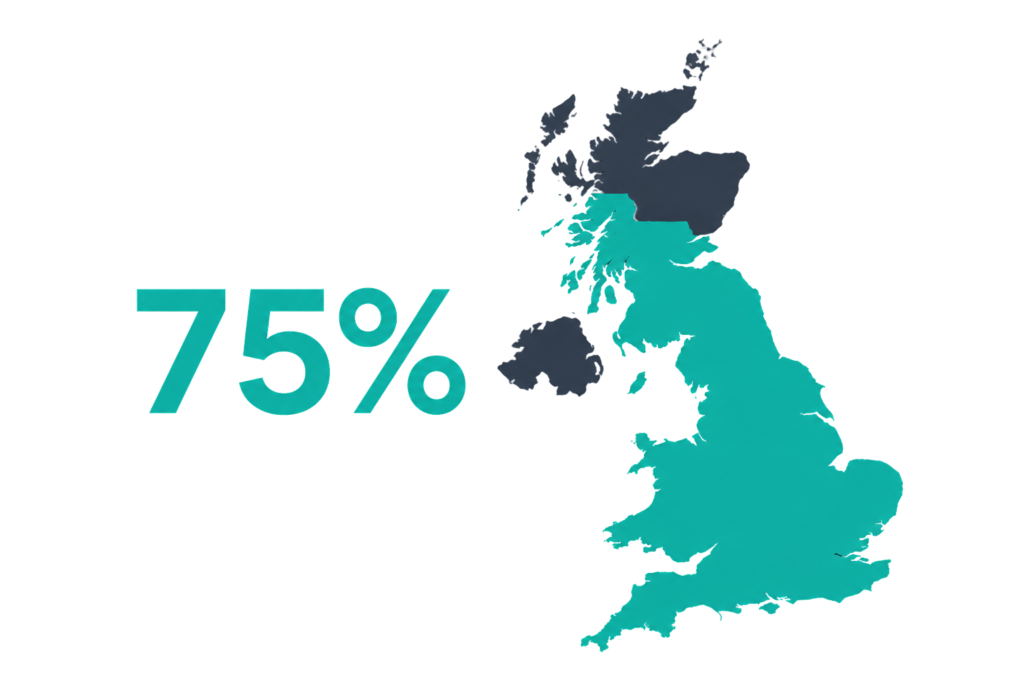
Our teams start from a standard design, assessed by independent structural engineers, that answers wind resistance across 75% of the UK mainland. From there, we survey the site, calculate the wind loading for that specific location, check it against the design, and engineer up wherever the number demands more. Then we fabricate to BS EN 1090 in our own facility in Gateshead. Put the same brief on an exposed Northumberland coast forecourt and a sheltered inner-city courtyard and you will get two different builds.
And that process is ultimately what you are paying for, and can be the entire reason the cheaper quote is cheaper.
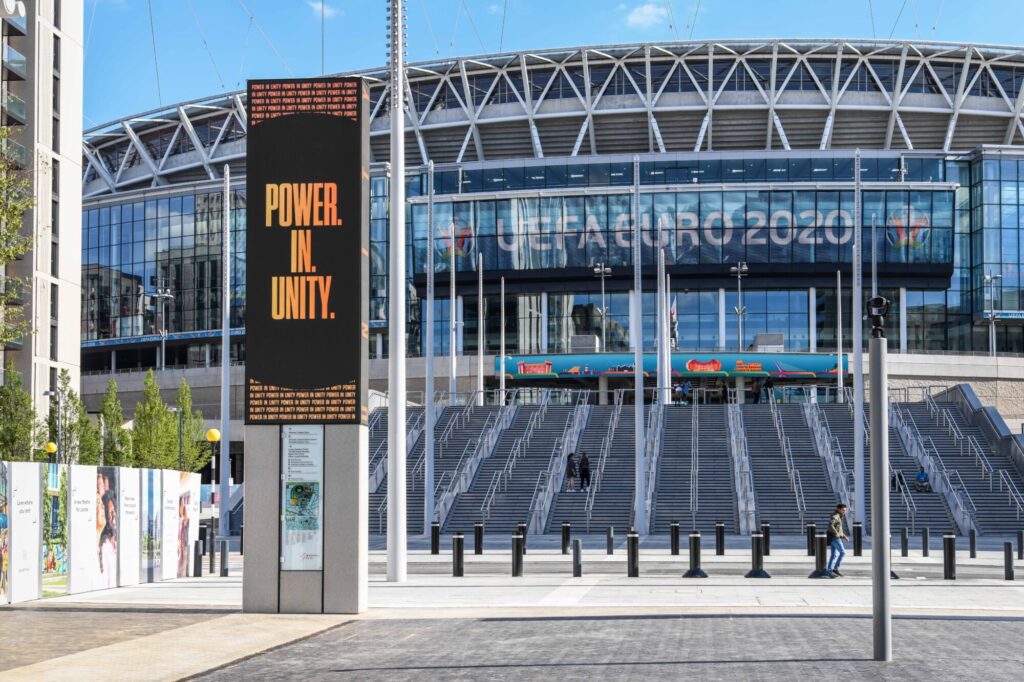
Astley have manufactured BS EN 1090 compliant totems and monolith signs across the UK for over 30 years, every one built under our own roof. If you have quotes in front of you and want a second opinion on what they include, send them over. We will tell you straight, even if the answer is that the other one is fine.
Astley has continued its support of Harlow Green Primary School by welcoming the winners of its latest design competition to its Team Valley headquarters for a behind-the-scenes tour and certificate presentation.
Following the success of an earlier Road Safety sign design competition, students were invited to create graphics for nine designated play zones across the school, including the Reading Gazebo, Construction Zone and Traditional Sports area.
After reviewing entries from pupils across all year groups, Astley’s Board selected the winning designs, with the successful students invited to visit the signmaker’s facility to learn more about the business and the careers available within the industry.
The winning designs will now be manufactured and installed at the school, helping pupils identify the different activity areas while encouraging imaginative and active play.
James Mavi, Managing Director of Astley, said:
“It was another incredibly difficult decision for the Board, as we received so many fantastic entries from talented students across all year groups. The creativity, effort and quality on display made selecting the winners no easy task.
“Our team thoroughly enjoyed welcoming the students to our facility and we’re now looking forward to bringing their ideas to life for the whole school to enjoy.”
Leighanne Softley, Assistant Head at Harlow Green Primary School, added:
“The children thoroughly enjoyed their visit to Astley and have not stopped talking about it since. It was an engaging and inspiring experience, and a wonderful example of how local businesses can support schools through meaningful educational engagement.”
As part of its ongoing commitment to the local community, Astley team members will also be returning to the school through the company’s paid volunteer day initiative, helping to enhance the outdoor learning environment at Harlow Green’s Forest School.
A few weeks ago, we welcomed photography students Jack and Harleigh from Gateshead College to Astley for a day of hands-on experience within a busy manufacturing and marketing environment.
The opportunity was initiated by our Marketing Apprentice, Jack Tully Lisle, who studied at Gateshead College himself just over a year ago. Drawing on his own experience as a student, Jack wanted to create a live project that would give current learners valuable insight into how photography is used within a commercial setting.
Throughout the day, Jack and Harleigh worked across various areas of the business, capturing the people, processes and craftsmanship that form part of our day-to-day operations. Their work provided a fresh perspective on our business while allowing them to apply their skills in a real-world environment.
At Astley, we are committed to supporting opportunities that help bridge the gap between education and industry. Collaborations like this not only provide students with practical experience and confidence in a professional workplace, but also strengthen our connections within the local community and support the development of future creative talent.
We would like to thank Jack and Harleigh for their enthusiasm and professionalism during their visit and wish them every success in their future studies and careers.
We look forward to showcasing some of the photography captured during the day across our marketing channels in the coming months.
A huge thank you to Make it Happen Signage Academy for delivering another fantastic training day last week in Leicester, supporting a group of our newer team members through their Signage Bootcamp.
Bringing together colleagues from across different areas of the business, the session provided a valuable introduction to the signage industry, helping to build knowledge, develop practical understanding, and strengthen awareness of the processes and best practices that underpin successful project delivery.
As our team continues to grow, investing in training and development remains a key priority. It’s great to see so many people embracing the opportunity to learn, ask questions, and expand their understanding of the industry.
Over the years, we’ve built a great relationship with Make it Happen Signage Academy and have seen first-hand the value their training provides. Their commitment to developing talent and raising standards across the industry continues to make a real difference.
A big thank you once again to Sam Armstrong and the Make it Happen team for delivering such an engaging and informative session. We look forward to continuing our partnership and creating more opportunities for our team to learn and develop in the future.
We’re pleased to share a behind-the-scenes look at one of our latest hospitality projects at Hilton Glasgow.
Captured high above the city skyline, this image shows our installation team preparing for works before the transformation began, with incredible views across Glasgow and the M8 below.
Having worked with Hilton for over 20 years, we’re proud to continue supporting the brand across a wide range of hospitality projects, delivering signage and branding solutions that help enhance the guest experience and strengthen brand presence.
Projects like this require careful planning, specialist access and close coordination to ensure installations are delivered safely and efficiently in busy city-centre environments. It’s the type of challenge our teams thrive on, combining technical expertise with a strong focus on quality and safety throughout.
While the finished result is always the highlight, moments like this give a great insight into the teamwork, experience and dedication involved in bringing these transformations to life.
Store Transformation Complete at Sainsbury’s Mere Green
We’re delighted to share the successful completion of another refurbishment project with Sainsbury’s — this time at their Mere Green store.
Working closely with the Sainsbury’s team, Astley was proud to deliver a complete signage and graphics package as part of the wider store transformation, helping bring the retailer’s latest branding principles to life across both the exterior and interior environment.
Delivering a Modern Retail Experience
The Mere Green refurbishment formed part of a significant programme of upgrades across the store, including a full refrigeration replacement and wider improvements designed to enhance the overall customer experience.
Our scope of works included the design, manufacture and installation of a wide range of signage and brand graphics throughout the store. From external branding through to internal wayfinding and promotional graphics, every element was carefully produced to align with Sainsbury’s evolving in-store identity.
Working in a Live Trading Environment
As with many retail refurbishment projects, maintaining day-to-day operations throughout the installation process was a key consideration.
Our teams worked efficiently and collaboratively to minimise disruption for both customers and staff, carefully coordinating works around the live trading environment while ensuring programme deadlines were achieved safely and effectively.
A Fantastic Finished Result
The completed store now delivers a refreshed, modern appearance that creates an improved experience for customers from the moment they arrive.
We’re proud to have supported another successful project with Sainsbury’s and would like to thank everyone involved for their collaboration throughout the refurbishment.
Congratulations to the Mere Green team on their newly transformed store — we wish them every success moving forward.
As the financial year draws to a close for most UK businesses, attention will naturally turn to planning for the next. Capital expenditure is reviewed, priorities are reassessed, and investment decisions begin shaping the next 12 months.
For many organisations managing multiple locations, this process focuses heavily on operational upgrades, expansion plans, or technology investment. Yet one critical area is often reviewed too late – the physical brand across the estate.
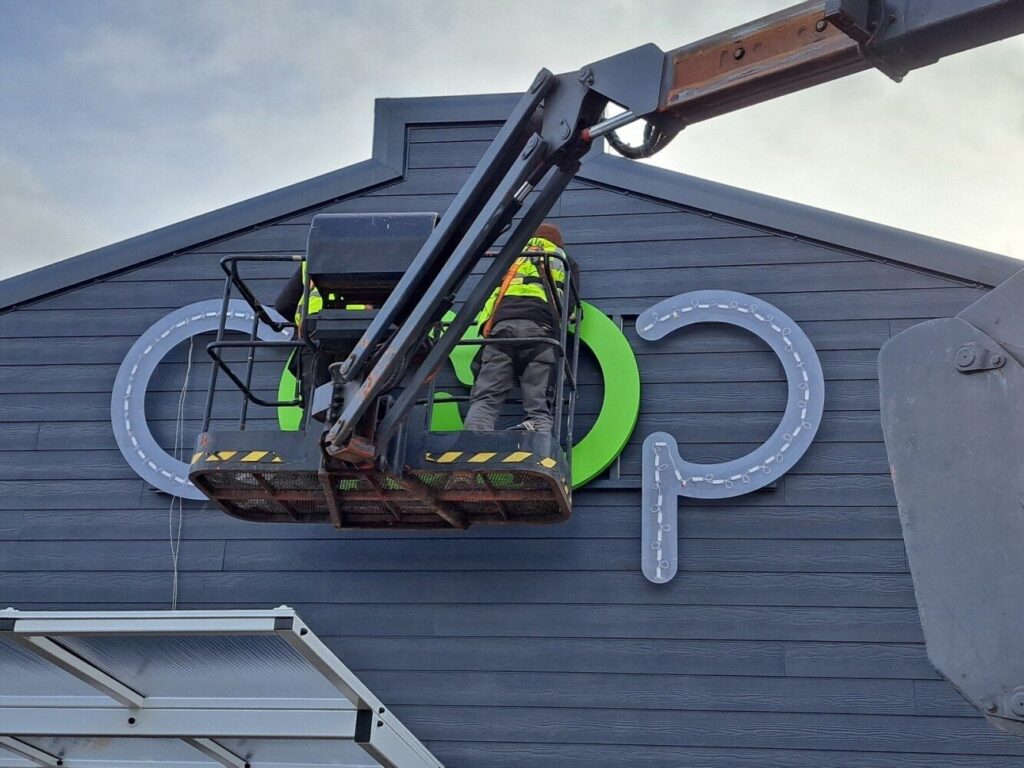
Typical signage failures include:
- Water ingress
- UV fading and colour deterioration
- Wind damage
- Corrosion at fixings
Branding is rarely considered a financial risk…until it becomes one!
A failed sign, an inconsistent customer experience, or an unexpected replacement programme can quickly turn into unplanned spend. The end of the financial year offers a valuable opportunity to step back and ask a more strategic question: is your brand estate performing as an asset, or quietly becoming a liability?
Why does this matter more now?
Footfall patterns across the UK have changed significantly over recent years. Physical locations are not disappearing, but they are becoming more selective destinations. Customers are making fewer trips, choosing environments that feel current, easy to navigate, and aligned with expectations of quality and trust.
Some sectors and locations have seen encouraging increases in visitor numbers, particularly where sites combine convenience, experience, and strong environmental presentation.
Retail parks, leisure-led destinations, and well-invested high streets have demonstrated that people still value physical spaces…when those spaces give them a reason to visit.
In this environment, the physical expression of a brand plays a larger role than many organisations realise. A well-maintained, consistent estate signals confidence and relevance. A tired or inconsistent one can quietly erode perception long before performance metrics highlight a problem.
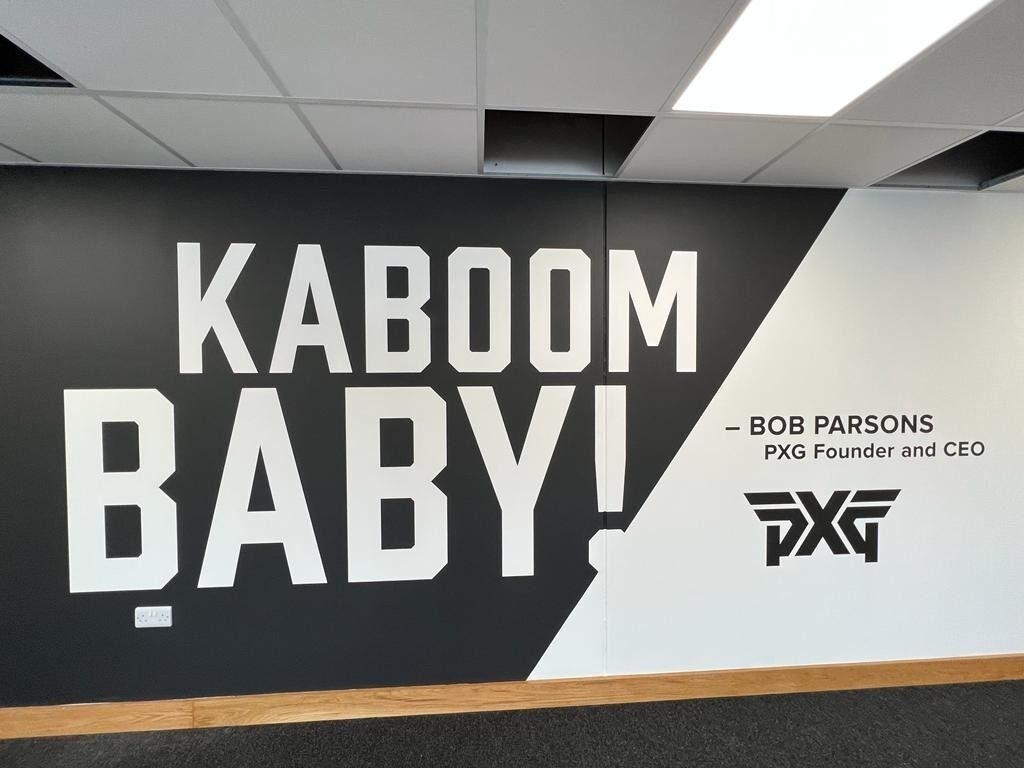
Did your brand perform for you this year?
Financial planning often focuses on future projects, but year-end is also the right moment for reflection.
Before allocating next year’s CapEx budget, it is worth asking a few honest questions:
- Did our brand actively support customer engagement this year, or simply exist in the background?
- Which locations performed strongest — and what did customers experience when they arrived?
- Are some sites underperforming because the environment feels outdated or inconsistent?
- Do customers encounter one clear brand, or multiple variations across different locations?
- Are we planning investment strategically, or preparing to react to failures we already suspect are coming?
These questions move branding away from aesthetics and into operational performance.
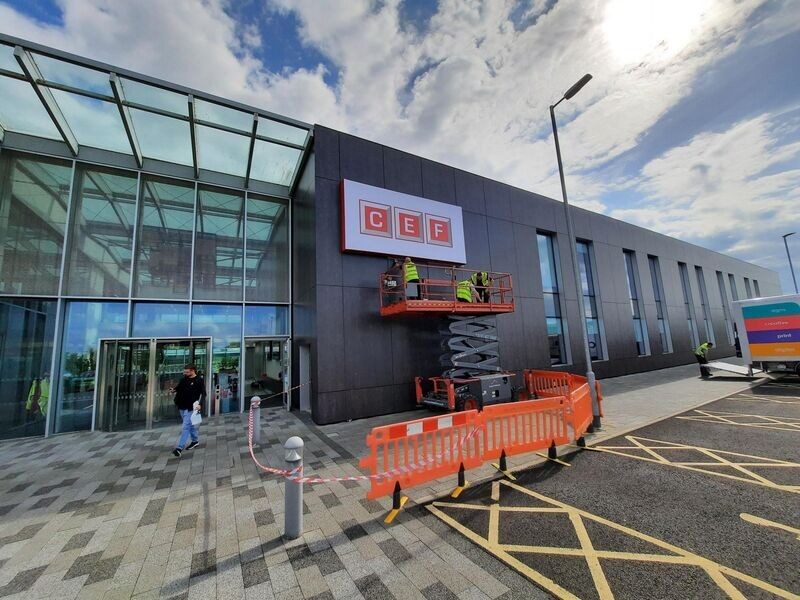
The HIDDEN COST of DEFERRED maintenance
Across large property estates, branding assets often follow a familiar lifecycle: install, operate, ignore, then urgently replace.Maintaining your estate signage can help protect against unexpected costs due to failure
Illumination failures, structural wear, weather damage, outdated messaging, or legacy branding left behind after refurbishments rarely appear suddenly. They develop gradually, often unnoticed until they demand immediate attention.
…investment becomes reactive rather than planned. Budgets intended for improvement are redirected toward problem-solving. Timelines shorten. Costs rise. Internal pressure increases.
Preventative maintenance changes this dynamic. Regular assessment allows organisations to forecast replacement cycles, prioritise risk, and align spending with long-term strategy rather than short-term disruption.
In financial terms, it replaces surprise expenditure with controlled investment.
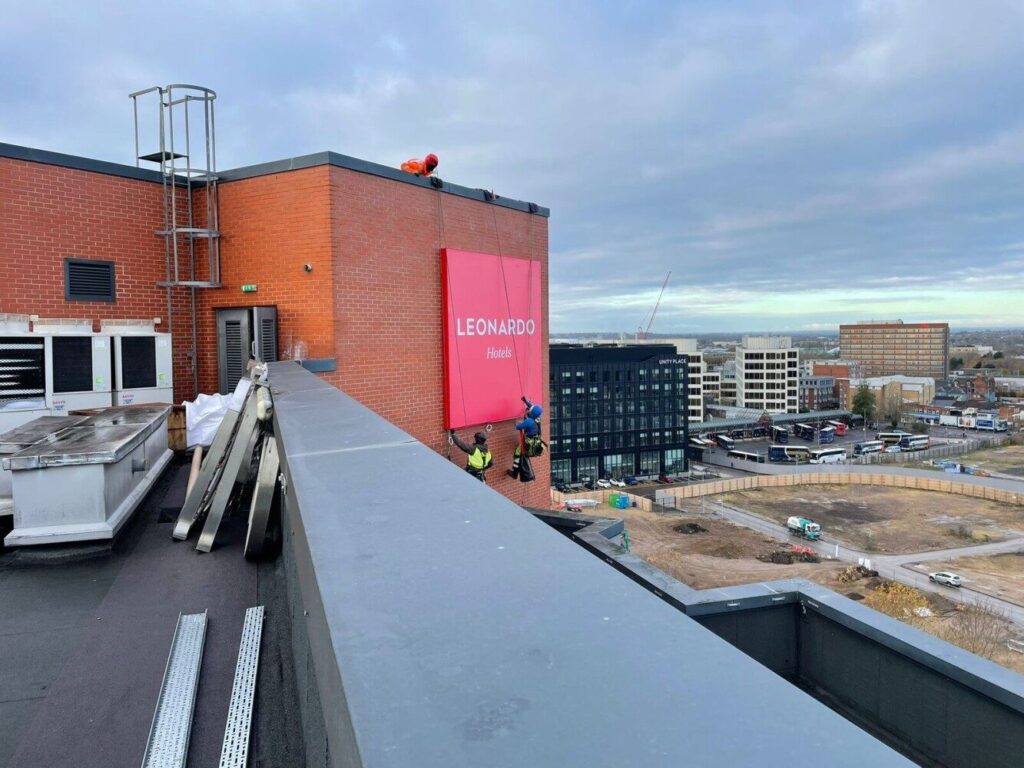
Maintaining your estate signage can help protect against unexpected costs due to failure
Recent performance trends suggest that successful physical destinations share a common characteristic: intentional environments.
Customers increasingly choose where they go based on ease, clarity, and experience. Locations that feel modern, well cared for, and visually coherent communicate reliability before a customer even walks through the door.
Branding contributes directly to this perception. Clear wayfinding reduces friction. Well-maintained signage reinforces trust. Consistent brand presentation across locations builds familiarity and confidence.
The difference is often subtle, but cumulative. When competitors invest thoughtfully in their environments, standing still can gradually become a competitive disadvantage.
Spending wisely, not simply spending more
The coming financial year will likely continue to demand careful investment decisions. Rising operational costs mean organisations are scrutinising CapEx more closely than ever, expecting each project to deliver measurable value. This does not necessarily mean spending more on branding. It means spending more intelligently.
A structured estate review can help organisations move from reactive upgrades to strategic planning:
- Audit the current estate for condition, compliance, and consistency.
- Identify risk areas where failure or deterioration may create future disruption.
- Forecast lifecycle replacement rather than emergency repair.
- Align investment with broader brand and operational objectives.
Approached this way, branding investment becomes part of asset management rather than an isolated marketing expense.
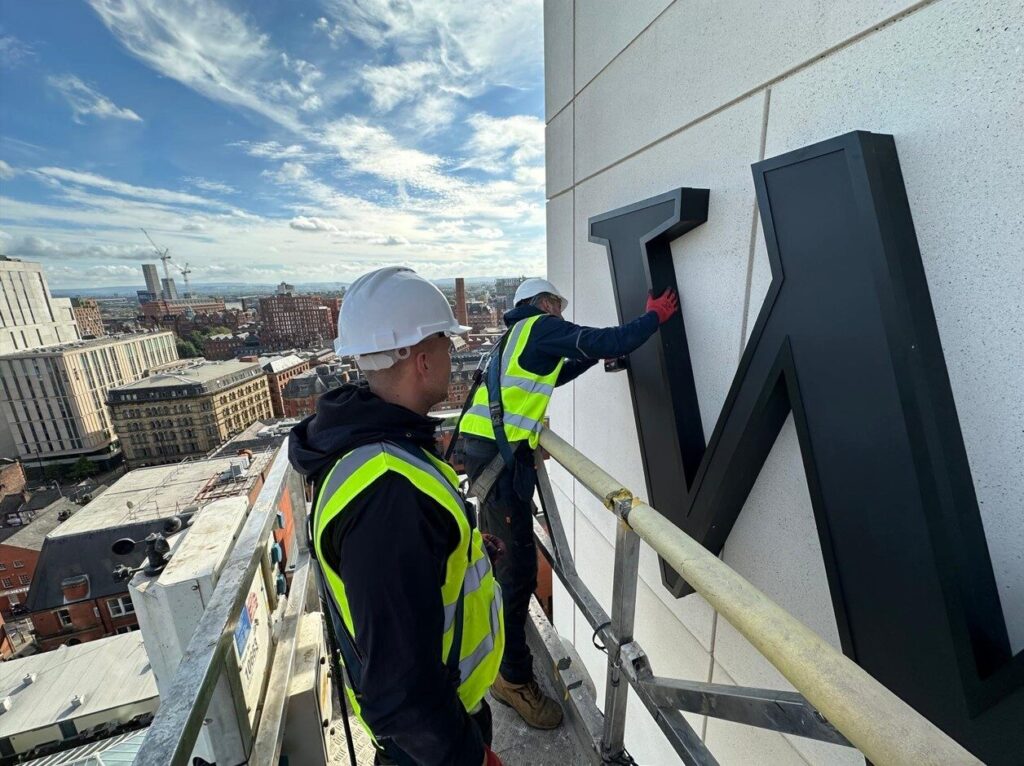
Choosing the right partner
Managing branding across an estate is rarely a single project. It involves technical understanding, operational awareness, compliance considerations, and long-term planning.
Because when branding is treated as an operational asset rather than a reactive expense, careful planning prevents costly surprises – and choosing the right partner becomes a critical part of protecting that investment.
Astley is considered one of the leading signage and brand maintenance partners in the UK, offering dedicated 24/7 responses and proactive and reactive maintenance packages. If you’re interesting in understanding more about how we can help you get the best ROI from your Capex this year, email enquiries@astley-uk.com or visit our website page.